
New Mexico-based Array Technologies Inc (NASDAQ: ARRY) (FRA: 9AY) took a hard hit on the Nasdaq Thursday. Shares fell 34 per cent after the company released mixed results for the fourth quarter of 2025.
Investors sold off quickly because the numbers disappointed on profits even though sales beat forecasts. The company posted US$226 million in revenue for the quarter, which topped consensus expectations of about US$212 million.
For the full year, revenue jumped 40 per cent to US$1.28 billion, propelled by 35 per cent more tracker shipments and the recent APA Solar acquisition. This deal, valued at US$179 million, augmented Array’s portfolio with fixed-tilt mounting/racking systems for solar projects.
The main factor causing Thursday’s slide, however, was the solar tracker tech specialist’s 2026 guidance. Adjusted EBITDA is slated to hit approximately US$215 million, well below the US$250 million or more Wall Street analysts were hoping for. Deutsche Bank AG (NYSE: DB) (FRA: DBK) dropped its share target for Array by US$2 to US$9 this week as a result of this and unfavourable margins.
Adjusted earnings per share came in at a loss of one cent, far below the modest profit analysts wanted. Moreover, fourth quarter revenue declined by US$49 million year-over-year to US$226 million and adjusted EBITDA hit a low margin of approximately 5 per cent at US$11.2 million. The full year adjusted gross margin declined by 7.1 per cent year-over-year to 27 per cent.
The company reported a much larger US$161 million GAAP net loss for the quarter mainly because of two big accounting charges: a US$103 million non-cash write-down of goodwill (an accounting adjustment for overpaying in a past acquisition) and a US$30 million reduction in the value of inventory after deciding to phase out some older products.
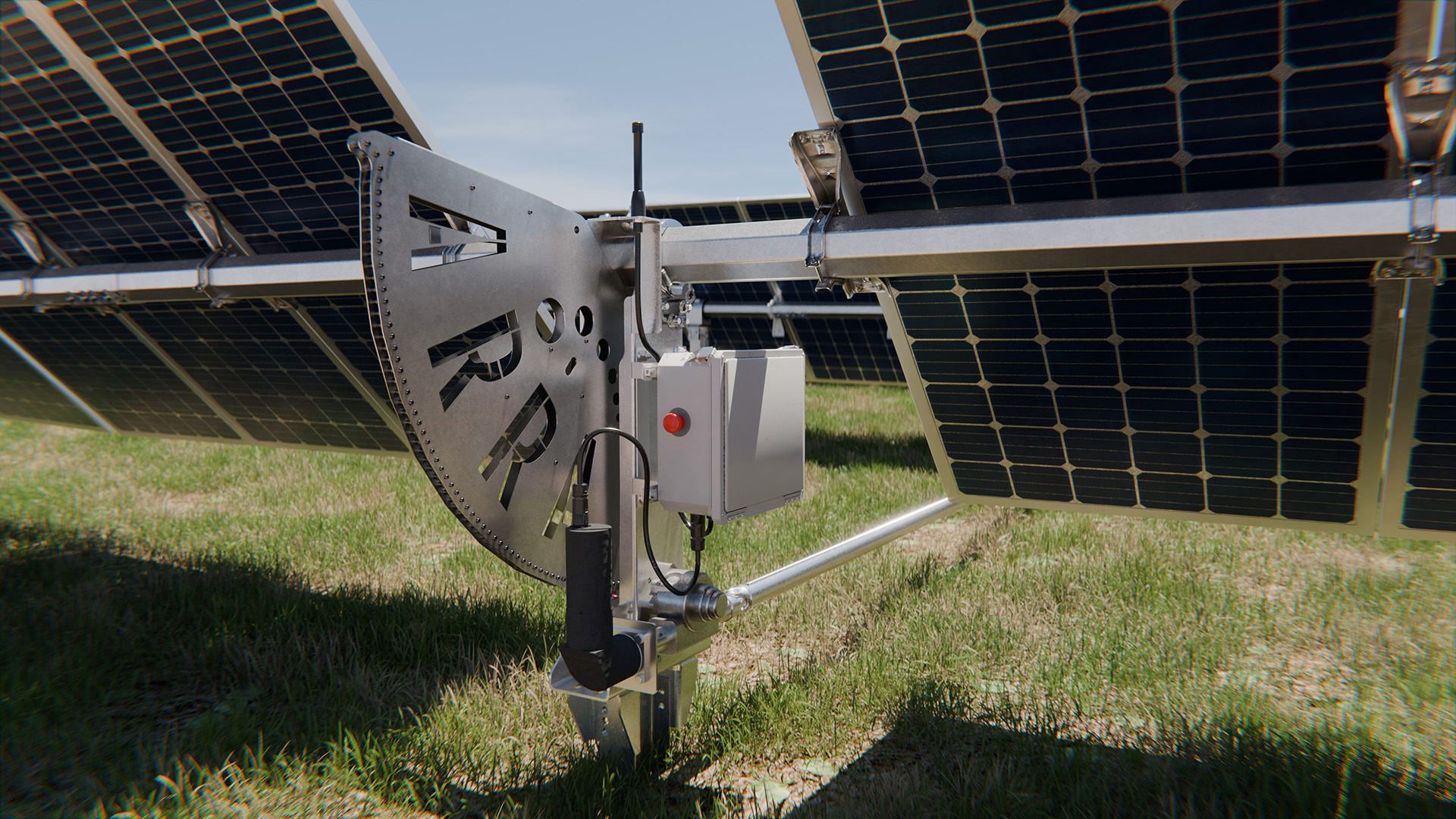
Array Technologies builds solar trackers for big utility-scale solar farms. These steel structures hold rows of solar panels and use motors to tilt them so they always face the sun as it moves across the sky.
Fixed panels sit still all day, but trackers follow the light. That extra movement squeezes up to 25 per cent more electricity from the same panels. The trackers also cut long-term costs, install fast and can stand up to hail, high winds, and snow.
Newer models like DuraTrack and OmniTrack add smart software called SmarTrack that uses weather data to squeeze even more power and protect the system.
The company’s significant drop this week highlights bigger problems that Array battles. Tariffs have raised part costs. Furthermore, benefits from past tax credits are fading and squeezing margins by several points.
Supply chain issues and competition from other trackers are adding pressure too. Nextpower Inc (NASDAQ: NXT), China’s Arctech Solar Holding Co Ltd (SHA: 688408) and Spanish operator Soltec Power Holdings SA (BME: SOL) (FRA: 5PZ) are Array’s top competitors.
Array also carries heavy debt from earlier deals, and international markets like Brazil and Spain have been moving slower than hoped for the company.
The stock plunge shows how quickly investors punish any softness in profits, even when demand for clean energy trackers stays strong.
Read more: Duke Energy Florida uses solar-made hydrogen to reinvent gas power
Follow Rowan Dunne on LinkedIn
rowan@mugglehead.com