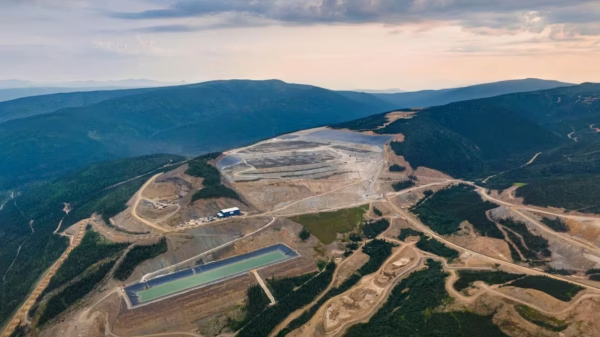

Snowline Gold Corp (TSE: SGD) (OTCMKTS: SNWGF) signed a new Memorandum of Understanding with the First Nation of Na-Cho Nyäk Dun (FNNND) related to its Rogue Project in central Yukon.
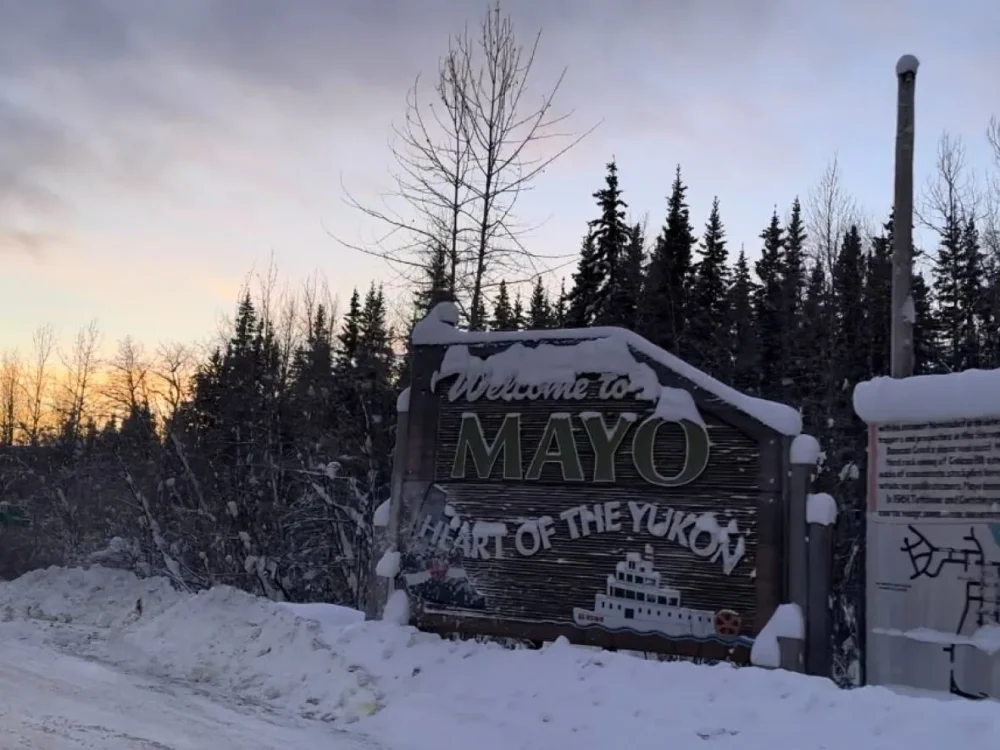
Signed on Saturday in Mayo, Yukon, the agreement outlines how both parties will work together on exploration, studies, and any future mine development.
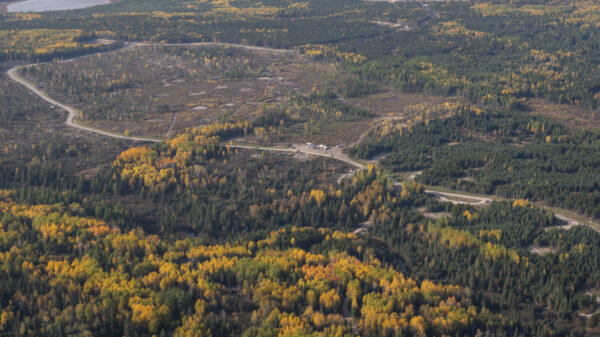
Additionally, the agreement establishes a formal governance role for the First Nation over potential mining activity on its Traditional Territory. The Rogue Project sits within lands where FNNND holds treaty-protected rights and long-standing stewardship responsibilities. The MOU sets expectations for consultation, consent, and cooperation before any major construction can proceed.
Further, it requires Snowline to obtain free, prior, and informed consent before building a mine at Rogue. This provision places decision-making authority with FNNND rather than treating consultation as procedural. Chief Dawna Hope said the agreement reflects a different approach to mineral development in the Yukon.
“This MOU reflects shared values and Snowline’s commitment to environmental stewardship, operational integrity, and creating economic opportunity,” said Scott Berdahl, CEO and director of Snowline.
“It provides us with a clear framework for moving forward respectfully and responsibly within FNNND Traditional Territory while strengthening the foundation for open and effective communication.”
She explained that the First Nation does not oppose mining, but expects development to respect rights and community values. Additionally, she emphasized that economic opportunity matters, but not at the expense of land, water, or culture. She described the MOU as a framework for sustainable development that benefits residents today and future generations.
Read more: NevGold’s latest discovery represents near-term antimony production potential
Read more: NevGold expands Limo Butte footprint by staking 90 promising antimony-gold claims
First nations hopes other operators will adopt similar policies
FNNND leadership characterized the agreement as a shift toward Indigenous-led governance in resource development. Furthermore, council members said the MOU demonstrates how mining companies and First Nations can collaborate productively. They framed the agreement as protecting ecosystems while still enabling responsible economic activity.
Meanwhile, they expressed hope that other operators will adopt similar approaches across the territory.
The MOU commits Snowline to comply with the FNNND Mining Policy for all activities in the Traditional Territory. That policy outlines how proponents must engage with the First Nation at each stage of project advancement. In addition, it establishes pathways toward more detailed agreements if the project advances.
Those future agreements would address benefits, oversight, and long-term land stewardship. The agreement also requires direct involvement from FNNND citizens in decision-making processes. Consequently, community input will help shape environmental, cultural, and technical evaluations at Rogue.
Snowline agreed to provide capacity funding to support participation and technical review. Additionally, that funding will help FNNND assess environmental and rights-related studies in the region.
Snowline said the MOU supports clearer engagement during exploration and engineering programs. Furthermore, the company expects the framework to improve transparency and certainty for both parties. The agreement applies to ongoing drilling, baseline environmental work, and future studies. Subsequently, any move toward development would follow processes defined by the Mining Policy.
The MOU does not grant approval for a mine or guarantee construction. However, it defines how discussions would proceed if Snowline proposes advanced development. Conversely, it also confirms FNNND’s authority to withhold consent if concerns remain unresolved. This structure aims to reduce conflict by setting expectations early.