
Canada’s push for cleaner, more reliable power moved westward on Tuesday after Ottawa committed new funding to advance small modular reactor research in Saskatchewan.
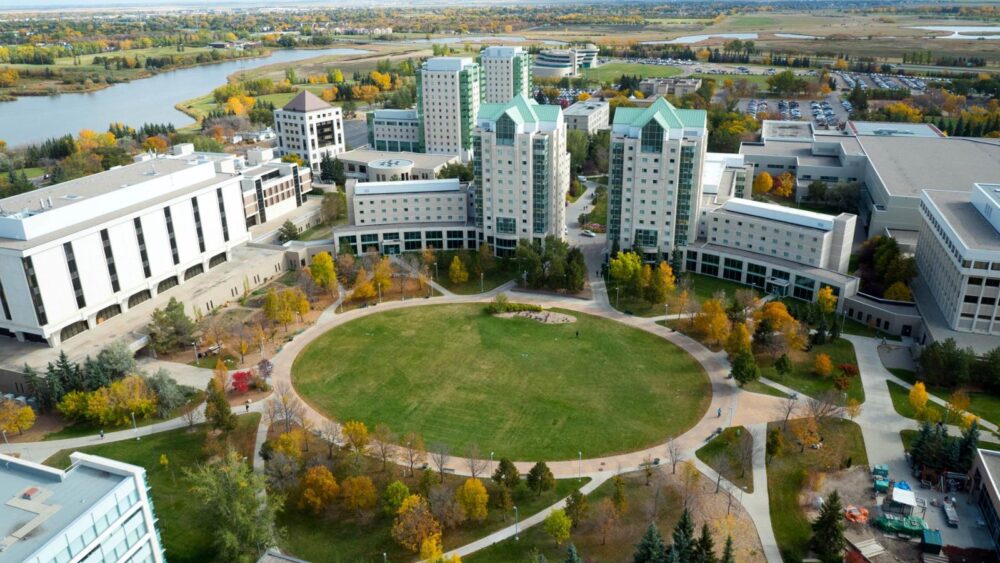
Federal and provincial governments will support the University of Regina’s planned Small Modular Reactor Safety, Licensing, and Testing centre, known as the SMR-SLT.
The federal government committed CAD$1.96 million through Prairies Economic Development Canada, while Saskatchewan added CAD$4 million toward construction. Officials said the project will help prepare Canada for next-generation nuclear power as energy demand rises and emissions targets tighten.
Small modular reactors, often called SMRs, are compact nuclear units designed to deliver steady power with lower emissions than fossil fuels. Supporters argue the technology can backstop renewable energy and provide electricity to remote or industrial regions. However, governments and regulators still require extensive testing before approving widespread deployment.
The new SMR-SLT facility aims to close that gap by offering advanced testing infrastructure in Western Canada. The centre will house modern SMR test loops that simulate real reactor operating conditions. Additionally, researchers and companies will test components under controlled, safety-focused environments before field deployment.
Federal officials said the facility represents the first modern SMR test loops available west of Ontario. Canada currently generates about 15 per cent of its electricity from nuclear power, almost entirely in Ontario. Meanwhile, Western Canada produces no nuclear electricity despite hosting significant uranium resources.
Saskatchewan holds some of the world’s highest-grade uranium deposits and supplies roughly one quarter of global uranium used for power generation. Provincial leaders believe SMRs could allow Saskatchewan to capture more value from those resources.
Read more: Bushehr expansion and new reactor sites mark Iran nuclear ambitions
Read more: U.S. Army launches Janus Program to deploy nuclear microreactors by 2028
Project will help facilitate economic opportunities
The federal government framed the investment as part of a broader clean-energy and economic resilience strategy. Officials said SMRs could deliver dependable power while supporting industrial growth and regional development.
The project will create 18 direct jobs and support 10 small businesses during its early phases. Additionally, the centre will train skilled workers needed for future nuclear construction and operations. Government estimates suggest Canada may need between 2,500 and 3,500 nuclear workers by the mid-2030s.
Those jobs would span engineering, construction, operations, and regulatory oversight roles. Federal ministers said early investment in testing and licensing infrastructure remains essential to meeting that workforce demand.
They argued safe deployment depends on rigorous research, transparent regulation, and public confidence. Meanwhile, Saskatchewan officials said the province already possesses the technical expertise to expand into nuclear power.
They emphasized that safety and regulatory readiness must come before commercial deployment. Provincial leaders described the SMR-SLT as a foundational step rather than a final approval. They said the centre will support collaboration between universities, industry partners, and government agencies.
Additionally, the facility will help regulators assess emerging reactor designs under Canadian operating conditions. University of Regina officials said the project elevates the institution’s role in national energy research. They expect the centre to attract researchers, students, and private-sector partners from across Canada.
Further, administrators said hands-on testing will strengthen training programs for future nuclear professionals. Federal representatives tied the investment to Canada’s long-term energy security goals. They argued SMRs can provide baseload electricity without the price volatility associated with fossil fuels.
Read more: Texas A&M to host first reactor in Trump’s nuclear pilot initiative
Read more: Startup reimagines nuclear energy with mile-deep micro-reactor pilot
Investment supports Canada’s aim to remain nuclear leader
However, officials acknowledged that public trust depends on strict oversight and proven safety systems. The SMR-SLT centre will focus heavily on licensing research and regulatory compliance testing. Additionally, the facility will study materials performance, thermal behavior, and safety systems under simulated stress conditions.
Industry participants will use the site to refine designs before seeking commercial approvals. Government officials said that approach reduces risk and shortens future deployment timelines. Meanwhile, Saskatchewan continues to explore potential SMR sites and grid integration scenarios.
Provincial leaders said the research centre strengthens the province’s readiness without committing to immediate construction. They framed SMRs as one option among several for meeting future electricity demand. Federal ministers said the investment supports Canada’s ambition to remain a global nuclear leader. They pointed to decades of experience in uranium mining, reactor design, and international safety standards.
Additionally, officials said the project aligns with efforts to cut emissions while maintaining affordable power. University leaders said partnerships formed through the centre will shape Canada’s nuclear workforce pipeline. They expect students trained at the facility to work in research, regulation, and plant operations.
The SMR-SLT project now moves into its construction and setup phase. Subsequently, researchers plan to begin testing programs once equipment installation is complete. Government and university officials said timelines will depend on procurement and regulatory approvals.
They stressed that the centre’s primary mission remains safety, licensing readiness, and public accountability.