Rigetti Computing reports US$1.4M revenue and US$33.2M operating loss
The quantum-computer developer held US$497.1 million in cash and investments as it targeted a larger system for mid-2028.
 Julian Okafor
A quantum-computer builder generated US$1.4 million in quarterly revenue while recording a US$33.2 million operating loss. Rigetti Computing, Inc. NASDAQRGTI, the Berkeley developer of superconducting quantum computers, reported on Nov. 10 that it held US$497.1 million in cash, cash equivalents and investments.
For the first nine months of 2026, revenue reached US$10.9 million, compared with US$5.2 million a year earlier. The approximately US$20 million annual revenue outlook depends on customer acceptance and fourth-quarter revenue recognition under its C-DAC contract.
Shares traded lower at US$11.63 on Nasdaq at 1:52 p.m. EST on Nov. 11, according to the NASDAQRGTI snapshot. That price followed the release of results for the quarter ended Sept. 30.
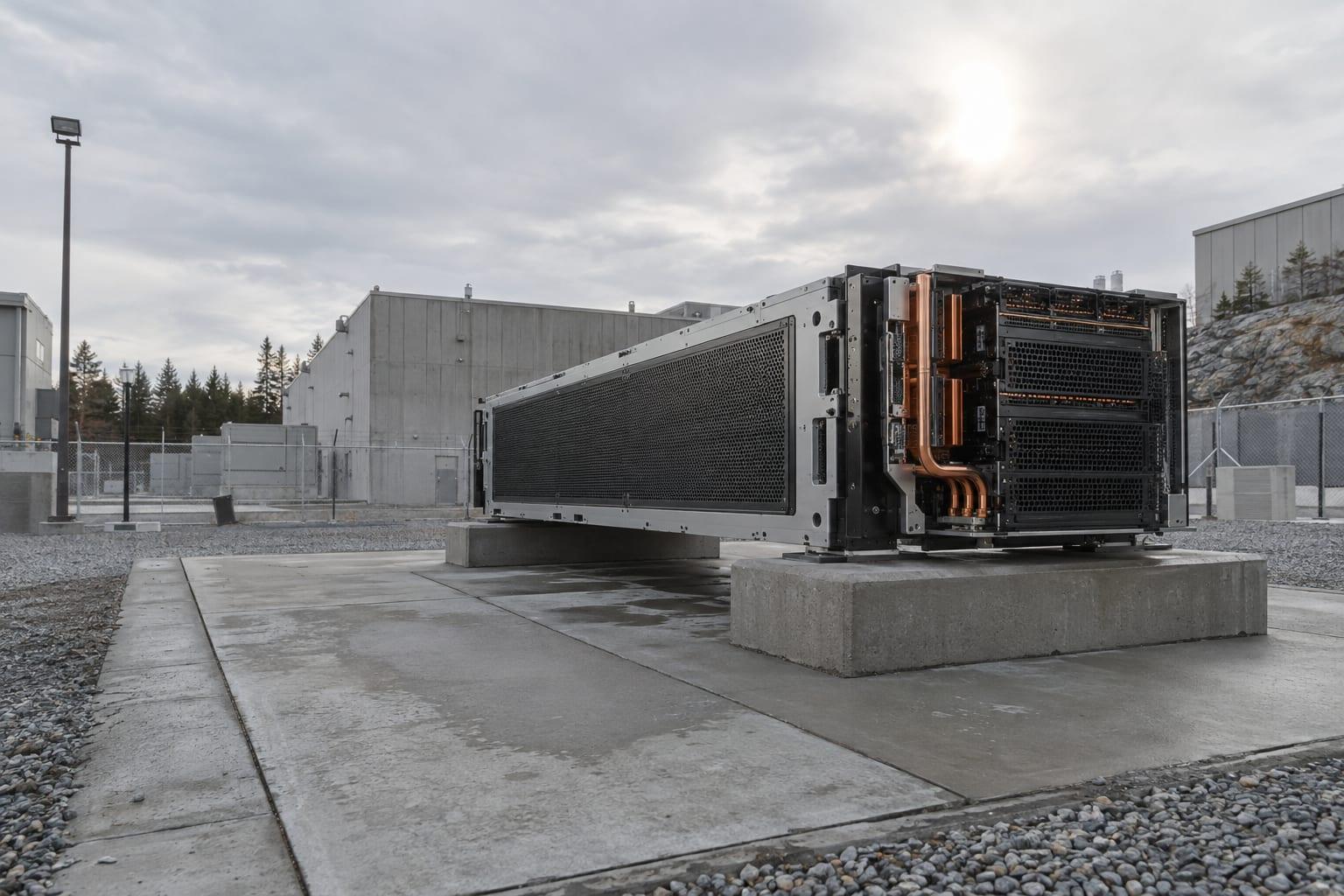
The next major hardware objective is a system with more than 300 qubits by mid-2028. That schedule leaves equipment investment and development work running well beyond the nearer customer-acceptance test underlying the annual sales forecast.
Annual Revenue Depends On Customer Acceptance
Rigetti's first-nine-month revenue of US$10.9 million leaves approximately US$9.1 million to reach its 2026 outlook. Recognition tied to the C-DAC customer therefore has to contribute to a final quarter substantially larger than the September quarter.
For the quarter ended Sept. 30, Rigetti reported a non-GAAP net loss of US$20.5 million and an adjusted diluted loss of US$0.06 per share. Those adjusted earnings measures are separate from the operating loss and cannot establish how much cash the company spent.
The Sept. 30 liquidity total combines cash, cash equivalents and available-for-sale investments. Rigetti reported no debt, giving it resources to continue development without an existing borrowing balance to service.
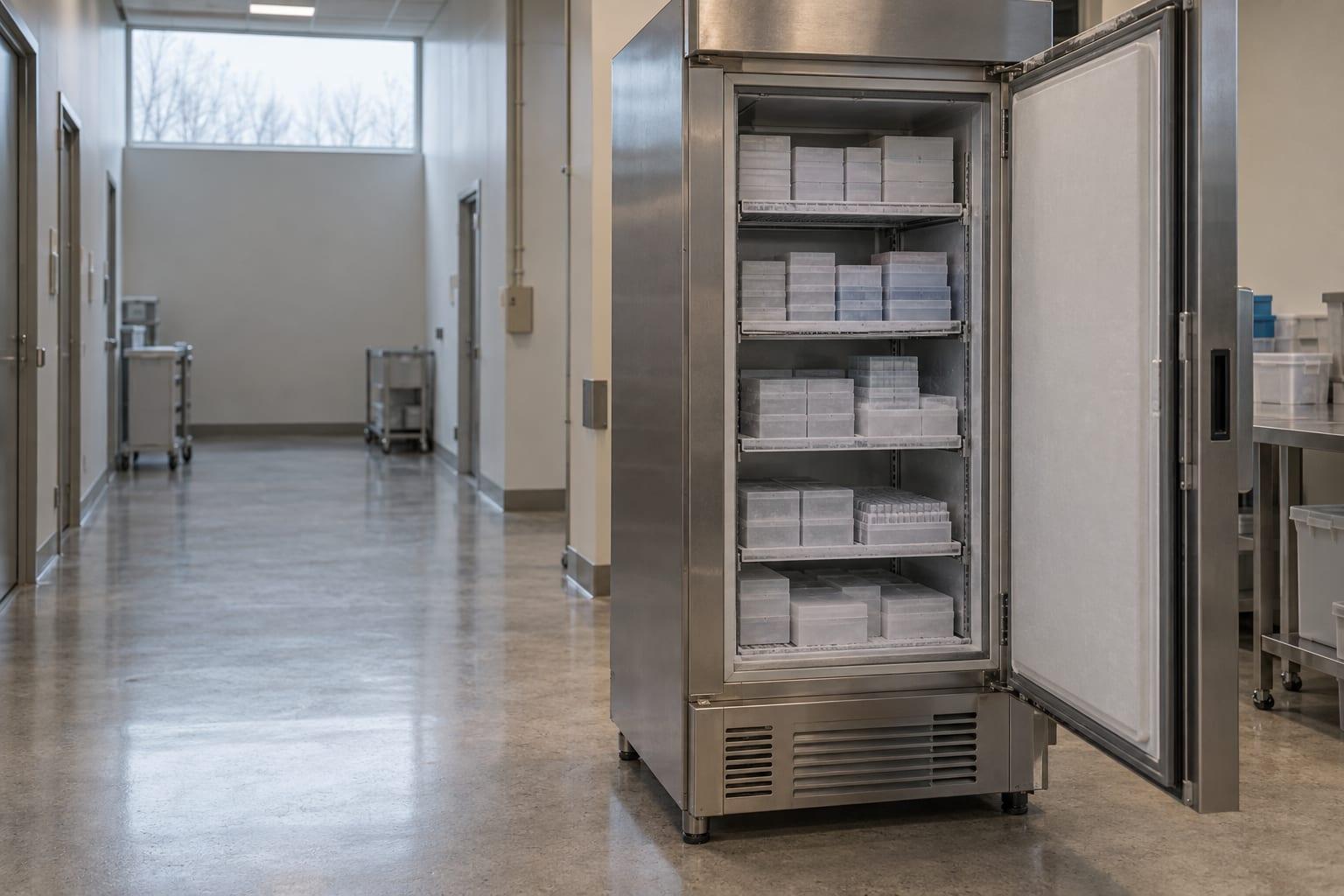
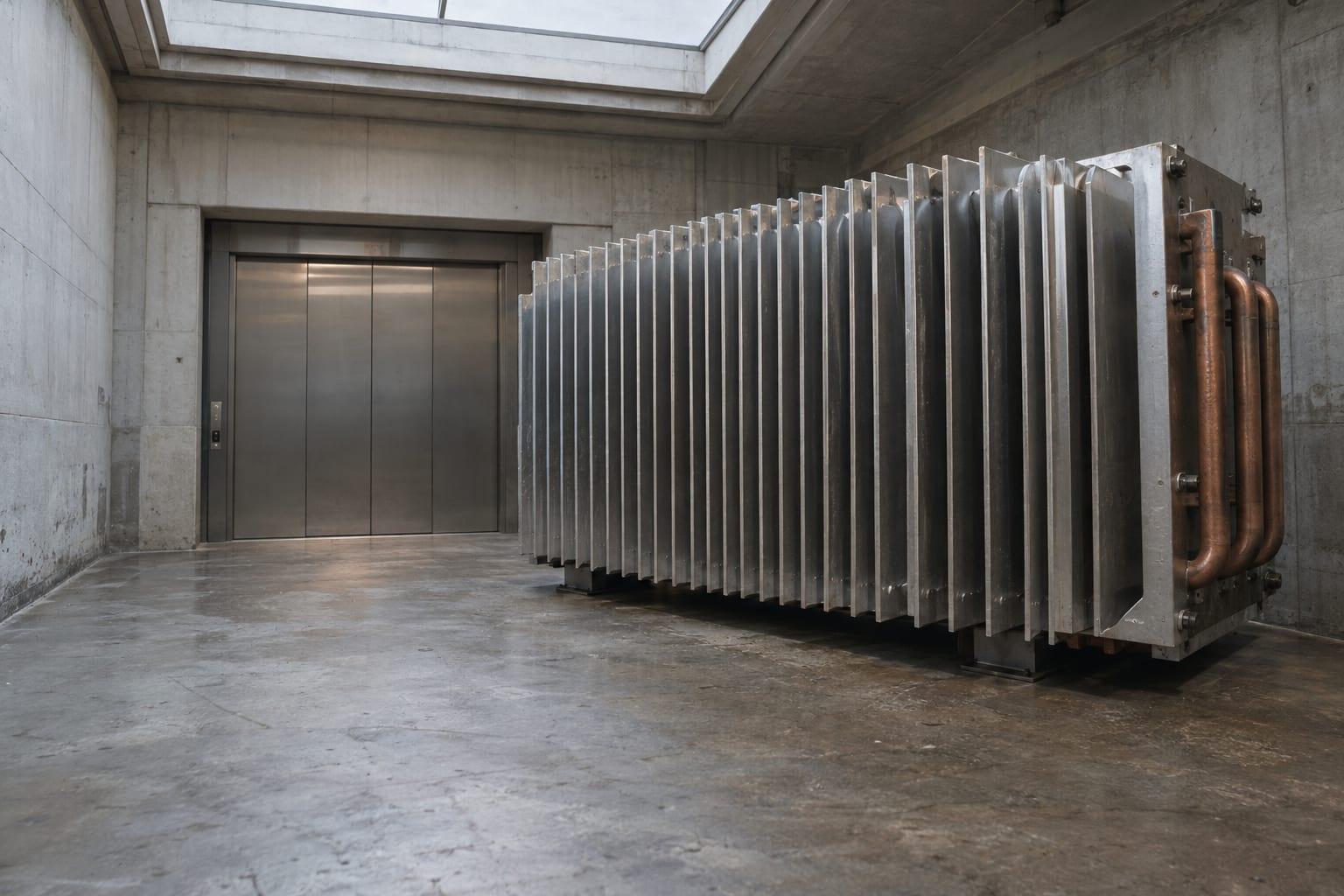
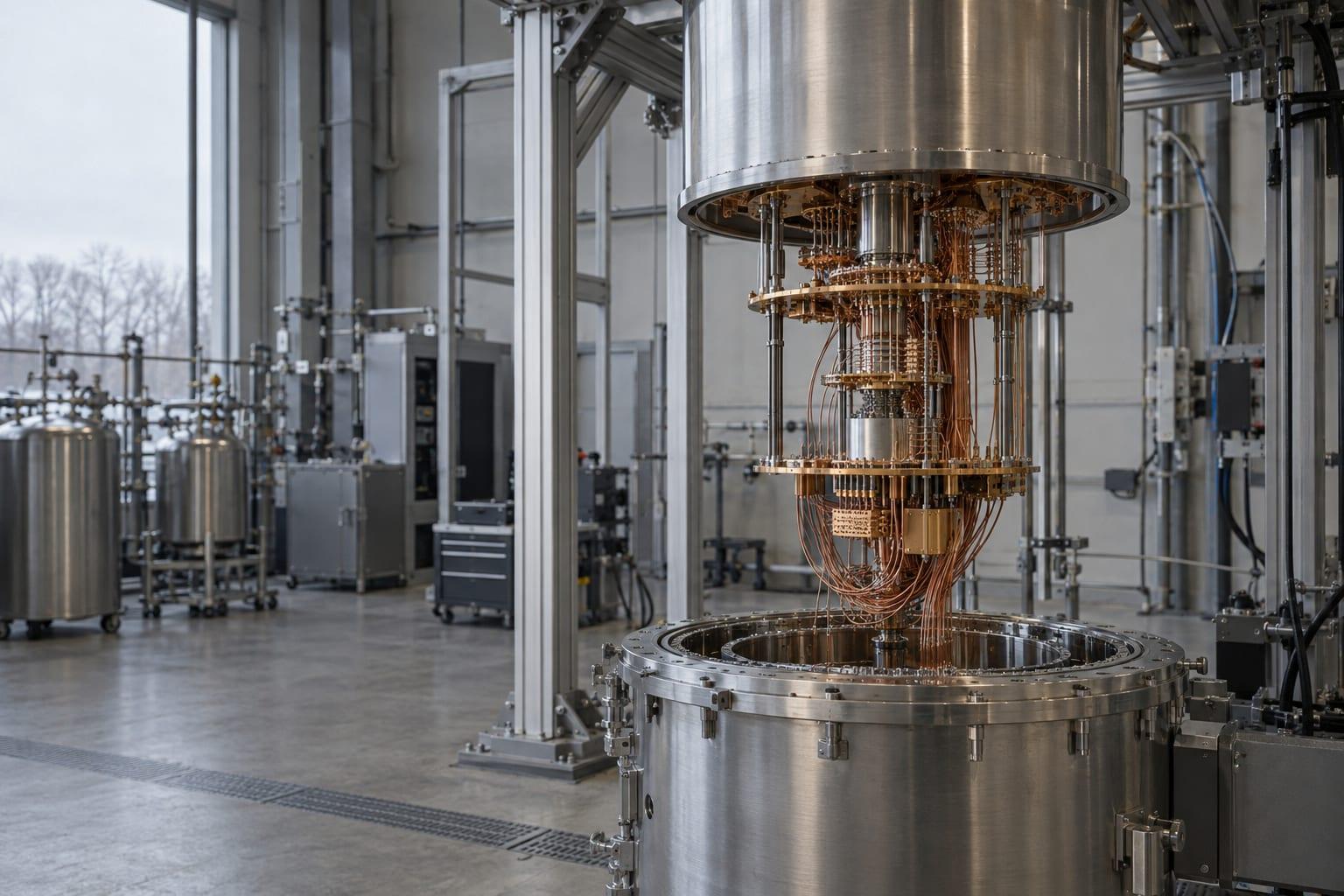
The US$497.1 million reserve is a balance at Sept. 30, rather than a budget for completing the hardware roadmap. Rigetti says it continues to invest in dilution refrigeration capacity and related infrastructure, so future equipment purchases also determine how long that liquidity lasts.
In September 2026, Rigetti signed a definitive agreement with the U.S. Department of Commerce for an award of up to US$100 million under the CHIPS Act. The department received a minority, non-controlling equity stake as a condition of the award.
The Nov. 10 release identifies three supported research programs: miniaturized readout electronics, a new cryostat architecture and fabrication capabilities for high-connectivity chips. Those are specified development programs; the award ceiling does not establish an additional cash balance available at quarter-end.
The Larger System Is Targeted For Mid-2028
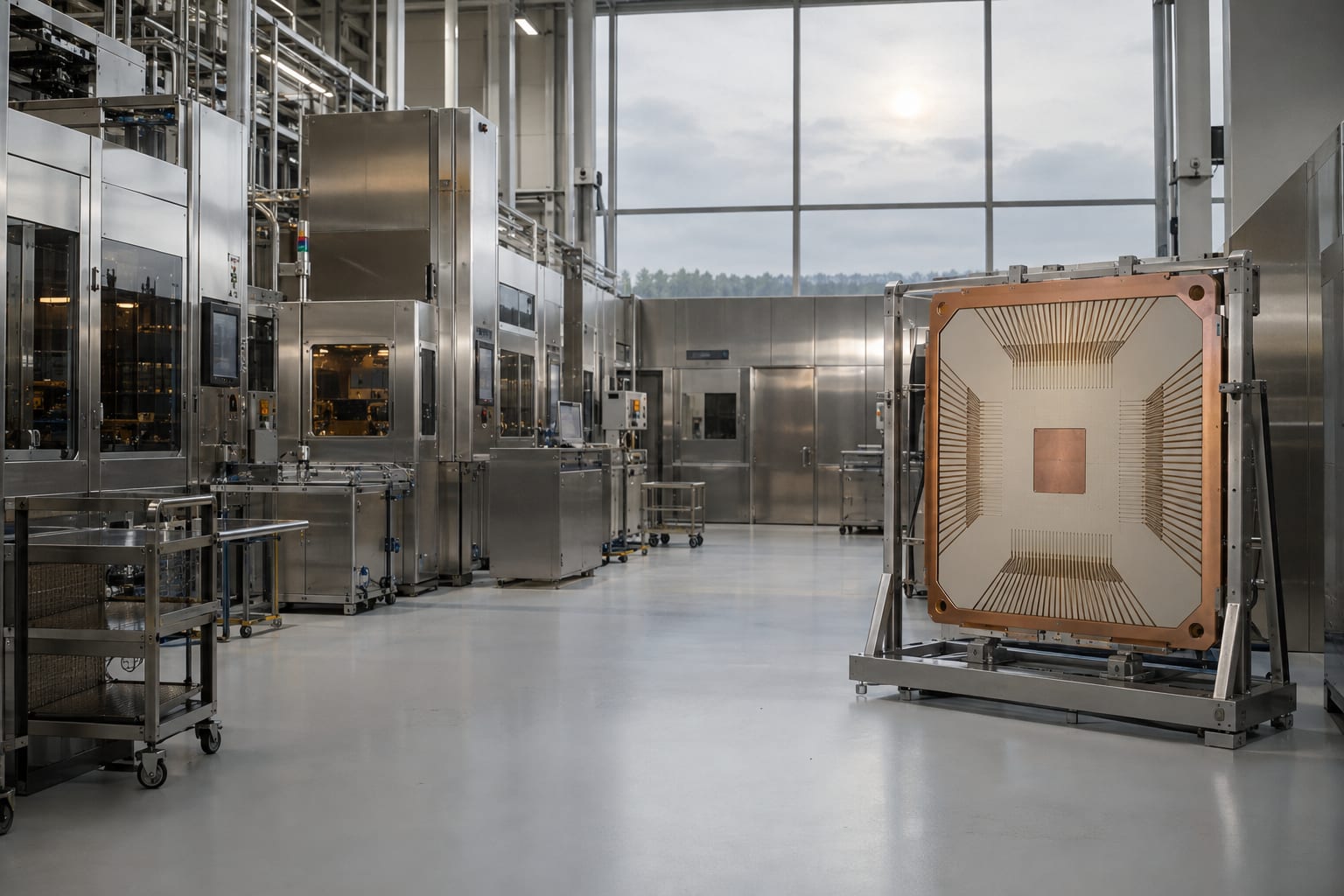
Rigetti says its current 108-qubit processor connects 12 chiplets, each containing nine qubits. The company reported meeting its full-system performance target, while retaining that modular architecture.
"Our Cepheus-1-108Q system achieved our goal of 99.5 per cent median two-qubit gate fidelity," Rigetti chief executive Subodh Kulkarni said in the Nov. 10 release.
The company also reported 99.6 per cent median fidelity on an 80-qubit sublattice. A smaller, 50-qubit sublattice reached 99.7 per cent, so those stronger readings describe subsets of the processor.
The mid-2028 objective combines more than 300 qubits with approximately 99.7 per cent median two-qubit gate fidelity. It also targets gate speeds below 60 nanoseconds, with larger chiplets, faster readout and expanded cryogenic capacity.
Rigetti continues to describe a path toward approximately 1,000 qubits within approximately three years. Its intended design increases qubit density inside a single refrigerator, making refrigeration capacity part of the engineering program alongside chip fabrication.
Qian Xu, a study coauthor and former Sherman Fairchild Postdoctoral Fellow at Caltech, urged a shift away from treating qubit count as the main obstacle to fault-tolerant computing. Caltech's March 31 research account describes a theoretical architecture using as few as 10,000 to 20,000 qubits. That work concerns neutral atoms, so its resource estimates cannot be applied directly to Rigetti's superconducting design.
D-Wave Separates Orders From Recognized Revenue
D-Wave Quantum Inc. NASDAQQBTS, which sells quantum computers and cloud access, reported US$4.5 million in quarterly revenue in its Nov. 10 results. Its quarterly bookings fell 19 per cent to US$1.9 million.
At Sept. 30, D-Wave had US$38.3 million in remaining performance obligations. It expected approximately 59 per cent to become revenue within the following 12 months, continuing the gap between quantum orders and recognized sales that Mugglehead covered on Nov. 10.
Read more: D-Wave Quantum reports US$4.5M revenue as quarterly bookings fall
For Rigetti, the nearer commercial test falls in the fourth quarter of 2026, when C-DAC acceptance determines the associated revenue recognition. The approximately US$20 million annual forecast remains conditional on that step.