Radiologists employ Nanox's lung cancer screening tech at Paris hospital
The company's Nanox.ARC scanner uses 80% less radiation that LDCT
 Rowan Dunne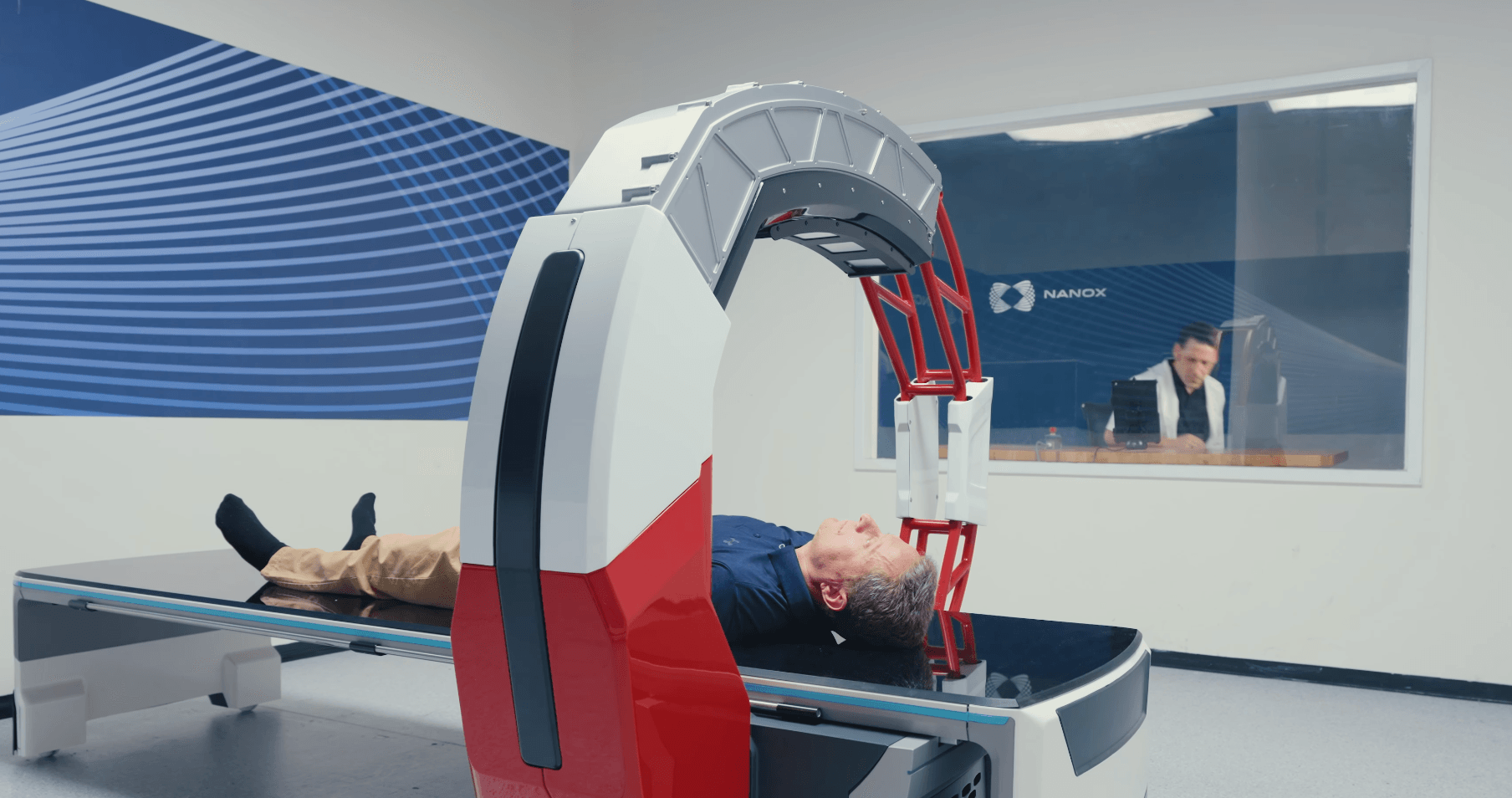
Israeli medtech operator Nano-X Imaging Ltd NASDAQNNOX has deployed its medical imaging technology to France. It is being utilized by a group of radiologists for lung cancer screening at a leading private hospital in Paris.
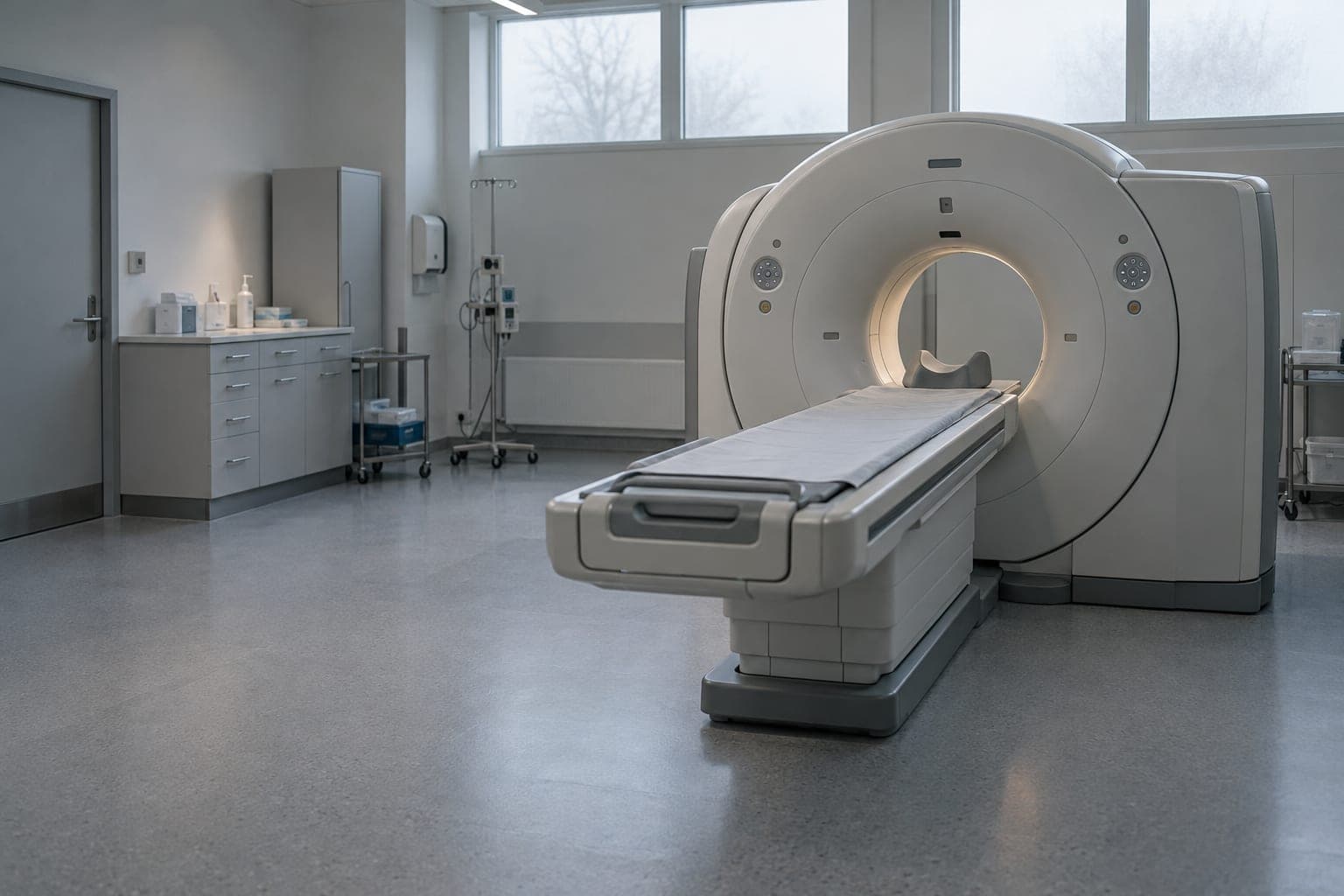
Nanox announced its collaboration with Olympe Imagerie on Nov. 14. The clinical trials they are engaging in are designed to evaluate the efficacy of Nano-X’s Nanox.ARC device. It is essentially a bed table scanning machine that takes images of a patient from multiple angles.
Nanox claims that the scanning apparatus exposes the patient to 80 per cent less radiation than a standard low-dose computed tomography scanner. The company says it is designed to bridge the gap between X-ray and CT. An X-ray generally exposes the subject to 0.1 millisieverts (mSv) of radiation while a low-dose CT scan emits between 1 to 2 mSv.
Its digital tomosynthesis system can capture over 100 coronal views per scan by moving in an arc (hence the name) to create a detailed 3-dimensional model of the patient’s lungs. It requires no more electricity than a standard appliance, according to Nanox.
The device received CE Mark certification from European Union regulators earlier this year, meaning that it meets EU health, safety and environmental standards. This designation will enable Nanox to commercialize the machine at locations throughout the member states. The American FDA has also cleared the gadget for general adult diagnostics.
“By partnering with Olympe Imagerie and Hospital Privé Jacques Cartier MASSY, we’re positioning the Nanox.ARC to demonstrate its potential value in lung cancer screening,” said Nano-X chief executive Erez Meltzer, “an important application where early detection can significantly improve patient outcomes.”
Swift detection while minimizing radiation has become a key priority for other notable companies in the lung cancer diagnostics sector too. Breath Diagnostics — developer of an efficacious, non-invasive, radiation-free breath test — is a standout in this regard.
Moreover, so is BioMark Diagnostics Inc OTCMKTSBMKDF CNSXBUX. This lung cancer blood test tech creator has also been making its mark in Europe. BioMark just shipped its liquid biopsy system to Germany’s largest screening trial to date.
“Lung cancer screening remains one of the most important applications in diagnostic radiology, and we’re excited to evaluate how the Nanox.ARC’s tomosynthesis capabilities can potentially enhance our ability to detect lung abnormalities earlier and more accurately,” said Olympe Imagerie radiologist, Romain Pommier, in a press release from Nanox.
In addition to lung cancer screening applications, Nanox.ARC is being used to examine the musculoskeletal system, intra-abdominal structures and paranasal sinuses for irregularities.
Nano-X also specializes in artificial intelligence algorithms used to examine CT scans and cloud-based storage for imaging data.
Read more: Breath Diagnostics leaders promote their mission at Miami investment conference
Follow Rowan Dunne on LinkedIn
rowan@mugglehead.com