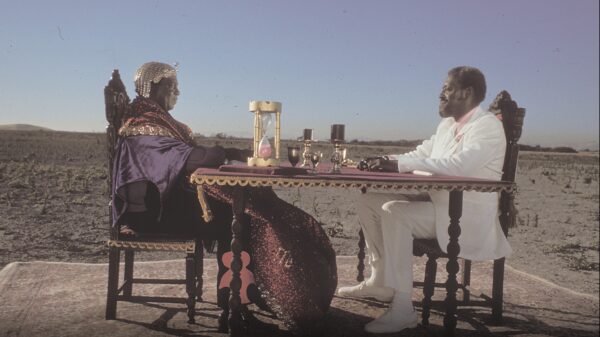

Visitors will soon be exploring Motown’s bold and trippy evolution as they step into the “Psychedelic Soul: A Journey Through Rhythm and Time” exhibit.
The show opens on Friday, Apr. 17 and runs through Sunday, Sept. 27. It takes place at the Esther Gordy Edwards Centre for Excellence, a new 38,000-square-foot space in Detroit, Michigan.
This location sits just steps away from the original Hitsville U.S.A. campus. This renowned Motown Museum remains closed for its 75-million-dollar expansion that began in January.
Attendees will discover the transformative years from 1967 to 1975. During this time, Motown producers moved past signature love songs to embrace raw experimentation and psychedelic grooves.
The exhibit will display rare vinyl releases, vintage fashion, immersive multimedia installations and artifacts that capture the cultural and technological shifts of the era. Tickets cost US$15.
Guided tours will spotlight producer Norman Whitfield’s innovations. Also, Grammy-winning hits from artists like The Temptations such as “Cloud 9” and “Papa Was a Rollin’ Stone.” Whitfield is renowned for producing Marvin Gaye’s version of the hit track “I Heard It Through the Grapevine.” He is widely credited as being the era’s primary architect.
This exhibit will help keep Detroit’s music legacy alive during the museum’s construction phase. The expansion will add interactive galleries, the Ford Motor Company Theater, a recording studio, expanded retail and community spaces.
Psychedelic soul first emerged as a subgenre of soul music, blending traditional R&B and gospel roots with the experimental sounds, production techniques and countercultural influences of psychedelic rock.
It was characterized by innovative studio effects including wah-wah guitars, phasing, reverb, delay, fuzz tones, heavy percussion, extended grooves or vamps, Latin rhythms and multitracked vocals.
Much of it was socially conscious and protest-oriented content, addressing racism, war (particularly Vietnam), urban struggle, paranoia, poverty and political issues reflective of the civil rights era.
The genre played a major role in the evolution of Black music with its funky sounds.
Read more: Psychedelic film series continues at Berkeley art museum until May 10
Follow Rowan Dunne on LinkedIn
rowan@mugglehead.com