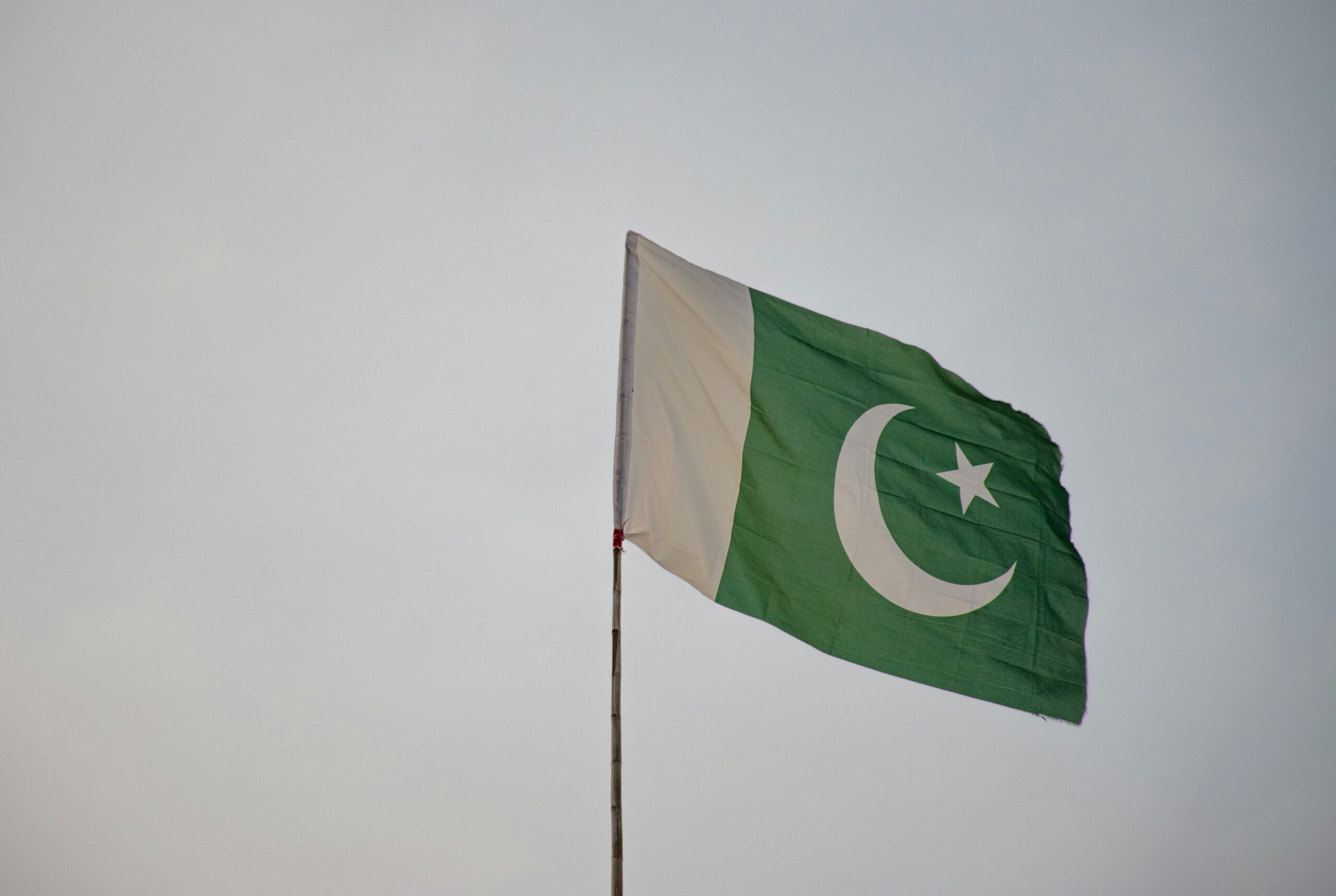

Pakistan’s federal cabinet just chose to approve a National Cannabis Control and Regulatory Policy proposed last year. It is the country’s first comprehensive framework for management of the plant within its borders.
Approval of the new legislation follows recommendations from a high-level committee established by Pakistan’s defence minister. It builds on the establishment of the nation’s Cannabis Control and Regulatory Authority (CCRA) Act in 2024.
The move is intended to take advantage of the economic potential cannabis has for Pakistan while curbing misuse. It will focus on regulated cultivation, manufacturing and sales of the plant’s derivatives for medicinal and industrial uses. New domestic cultivation sites will be established, a farming to manufacturing value chain will be built, and treatments could eventually be integrated into local healthcare systems.
This development builds on Pakistan’s decision to legalize industrial hemp and medical cannabis cultivation in 2020. It is essentially the operational blueprint that will be responsible for implementing regulations in a nascent local industry. The CCRA will be responsible for putting its provisions into working order through collaborating with provincial governments.
Economically speaking, the policy could significantly boost Pakistan’s economy by tapping into a global market worth billions of dollars. The country’s climate offers unique breeding opportunities and cultivars, such as Pakistani Chitral Kush, that could appeal to international customers. Additionally, it could help bolster Pakistan’s biotech and pharmaceuticals industries through the development of medical products.
Ultimately, the framework serves to address overlaps between federal and provincial policies within the country.
Beyond this new approval, Pakistan’s marijuana sector has seen other recent updates of note.
In December, the CCRA branch in the province of Khyber Pakhtunkhwa significantly reduced license fees for cannabis and hemp cultivation and processing while getting ride of excise taxes on industrial hemp and hemp seed oil.
The federal government has also allocated the equivalent of over US$7 million to new medical cannabis greenhouses, a national hemp lab, and the national authority.
Read more: Morocco considers swapping antibiotic poultry feed with cannabis-infused fodder
Follow Rowan Dunne on LinkedIn
rowan@mugglehead.com