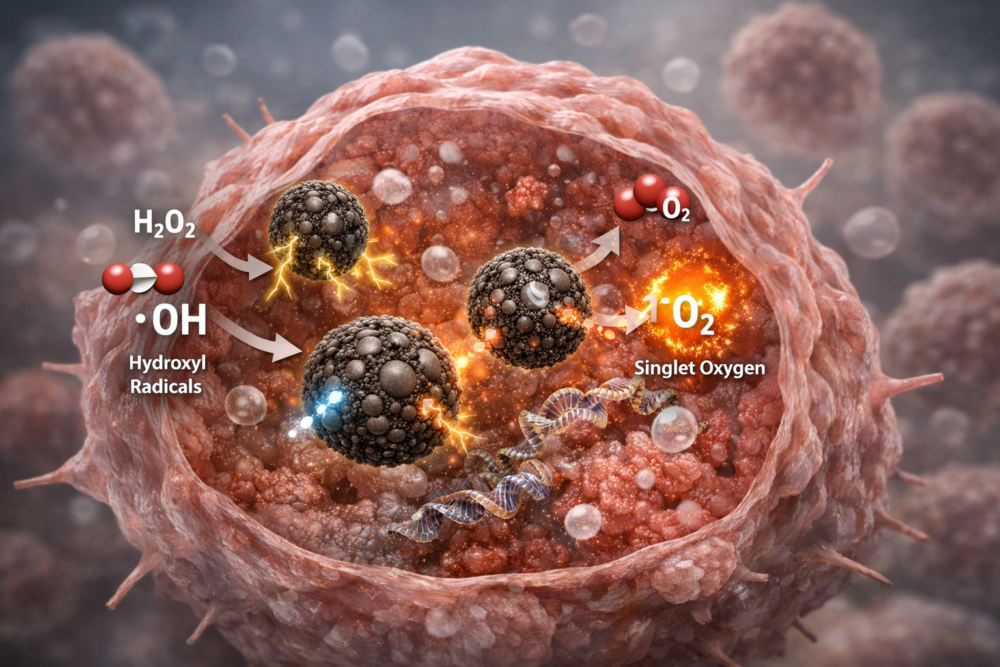

Researchers at Oregon State University have developed a nanomaterial that triggers two destructive chemical reactions inside cancer cells, eliminating tumours in mice while largely sparing healthy tissue.
Oleh and Olena Taratula and Chao Wang at OSU’s College of Pharmacy published the study in February 2026 in Advanced Functional Materials.
Traditional CDT approaches rely on these conditions to generate hydroxyl radicals, highly reactive molecules that oxidize lipids, proteins, and DNA, leading to cell death. More recent efforts have expanded the concept by also producing singlet oxygen. This is another reactive oxygen species with a highly unstable electron configuration that makes it particularly toxic to cancer cells.
Traditional CDT approaches rely on these conditions to generate hydroxyl radicals, highly reactive molecules that oxidize lipids, proteins, and DNA, leading to cell death. More recent efforts have expanded the concept by also producing singlet oxygen, another reactive oxygen species with a highly unstable electron configuration that makes it particularly toxic to cancer cells.
“However, existing CDT agents are limited,” said Oleh Taratula. “They efficiently generate either hydroxyl radicals or singlet oxygen, but not both, and their catalytic activity is often insufficient to sustain strong reactive oxygen species production.”
To overcome those limitations, the OSU team designed an iron-based metal-organic framework, or MOF, engineered to catalyze both reactions simultaneously. In laboratory tests, the nanoagent showed strong toxicity across multiple cancer cell lines while causing minimal harm to noncancerous cells.
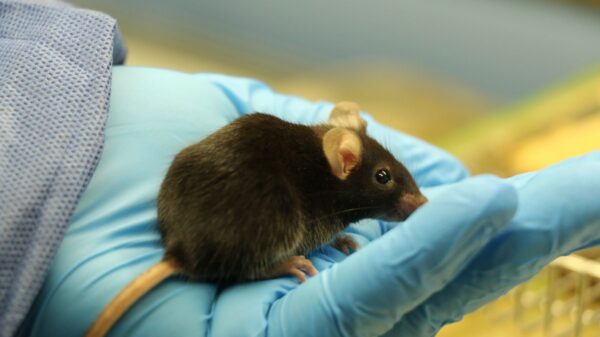
In mouse experiments using human breast cancer tumours, the results were striking. After systemic administration, the nanoagent accumulated in tumours, generated high levels of reactive oxygen species, and eliminated the cancer entirely.
“We observed complete tumour regression and long-term prevention of recurrence,” said Olena Taratula. “Importantly, this occurred without detectable systemic toxicity.”
While the findings are preliminary, the researchers say the results suggest a meaningful step forward for CDT-based cancer therapies.
Read more: Prestigious medtech intelligence firm recognizes Breath Diagnostics for innovation
Read more: Breath Diagnostics completes install of advanced mass spectrometry system
Non-invasive cancer detection is most promising front
Before human testing can begin, the team plans to evaluate the nanoagent in additional tumour models. These include aggressive pancreatic cancer, to assess whether the approach can be applied broadly across different malignancies.
If those studies are successful, the work could lay the groundwork for a new class of cancer treatments that turn tumours’ own chemistry against them.
While experimental nanotherapies like OSU’s chemodynamic approach point to where cancer treatment could go, a parallel fight is already underway across diagnostics and therapeutics. This is focused on finding disease earlier, stratifying risk more precisely, and intervening with greater specificity.
One of the most promising fronts is non-invasive cancer detection. Breath Diagnostics is developing OneBreath. It is a breath-analysis platform designed to detect cancer-associated biomarkers from a single exhalation. Unlike biopsies, imaging, or blood draws, OneBreath aims to provide a rapid, painless alternative to today’s standard of care. The underlying premise is that metabolic changes caused by cancer alter volatile organic compounds in breath. These are signals that advanced sensors and AI models can detect long before symptoms emerge. If validated at scale, such tools could meaningfully shift cancer screening toward earlier intervention, where outcomes are dramatically better.
Blood-based diagnostics are also moving quickly. Grail Inc.’s (NASDAQ: GRAL) Galleri test screens for dozens of cancers from a single blood sample by identifying methylation patterns in circulating DNA. Galleri does not diagnose cancer outright. It can, however, flag cancer signals and predict their tissue of origin, offering clinicians a head start.
On the treatment side, major pharmaceutical players continue to push forward. Merck and Co (NYSE: MRK) remains a central force in oncology through immunotherapies that train the immune system to recognize and attack tumours.
.