Nova Minerals assesses 216,000‑tonne capacity for planned Alaska plant
The initial refinery is designed for up to 600 tonnes of antimony a year, while larger production scenarios require more refining equipment.
 Theo Marchetti
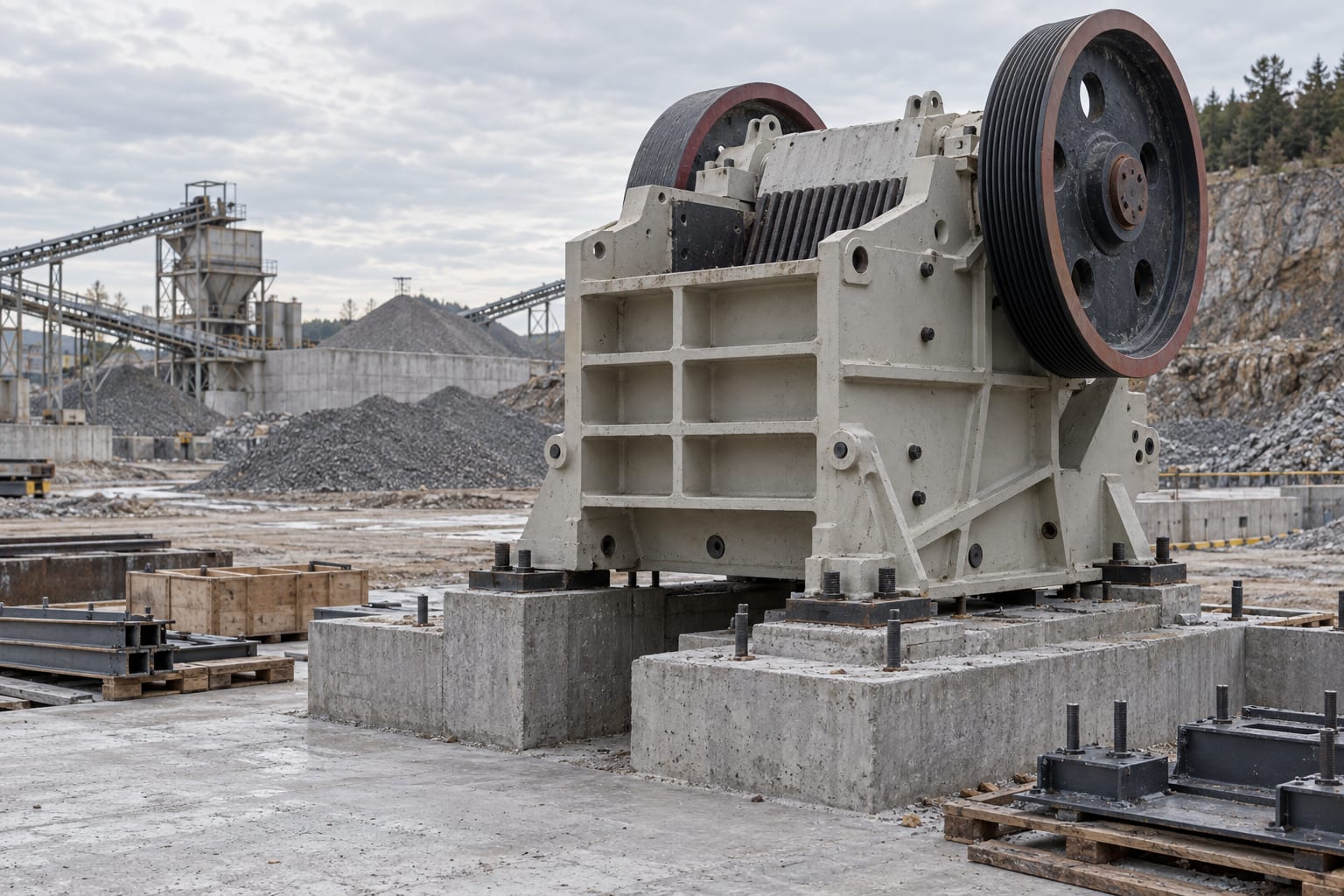
Nova Minerals Corp NYSEAMERICANNVA ASXNVA said on Tuesday that an engineering assessment put its planned Alaska plant's front-end processing capacity at approximately 216,000 tonnes a year. Its initial refinery is designed for up to 600 tonnes of refined antimony annually, while larger production scenarios require additional downstream equipment.
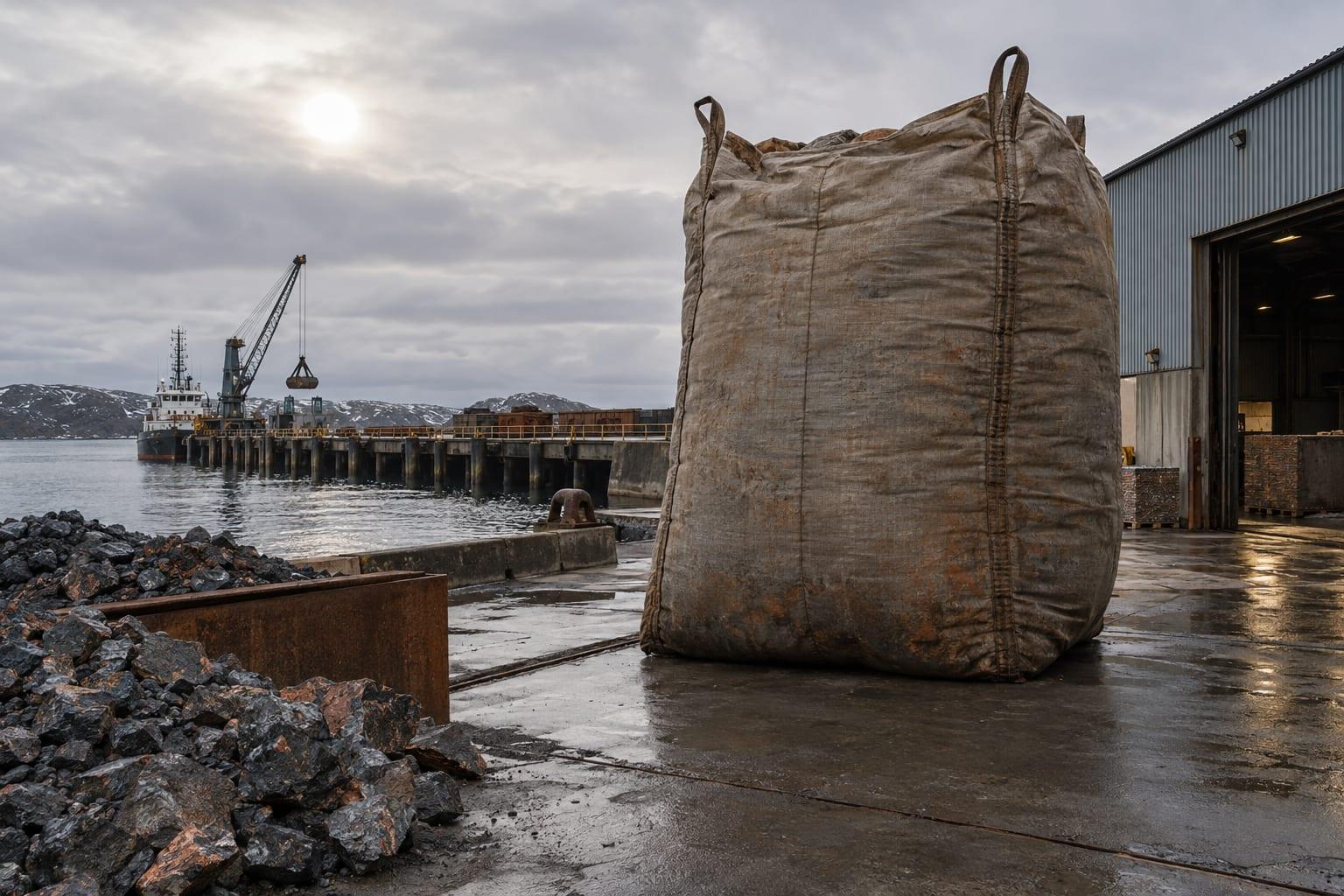
The acquired plant has been delivered to Port MacKenzie but remains to be constructed, according to the Nov. 10 release. Nova is developing an integrated antimony operation linking its Estelle project with processing and refining at the port, targeting military-grade antimony trisulphide production in 2027.
Nova describes Phase 1 as fully funded through a US$43.4 million U.S. Department of War award in its Nov. 10 release. The company reported final Alaska approvals on Oct. 27, covering mining, intermediate processing and downstream refining.
Nova's NYSEAMERICANNVA shares closed at US$4.42, up 2.31 per cent, on Nov. 9 at 4 p.m. EST, according to Google Finance. That close preceded Tuesday's announcement.
Refining Capacity Limits Initial Output
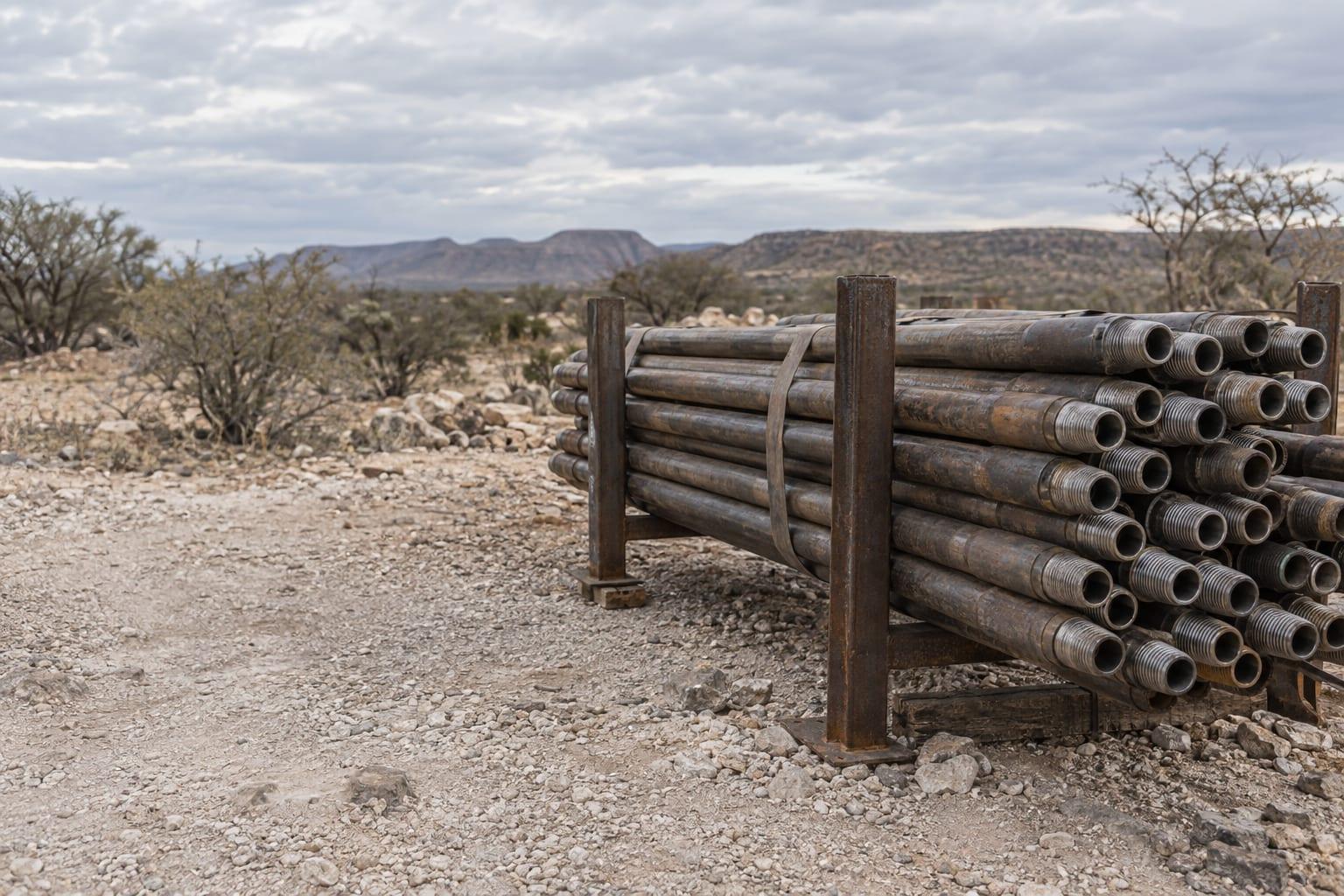
The assessed front-end capacity comprises two parallel mill trains, each capable of processing approximately 108,000 tonnes annually. Nova says the plant includes crushing, grinding, gravity, flotation and leaching circuits, while an ore sorter was procured separately.
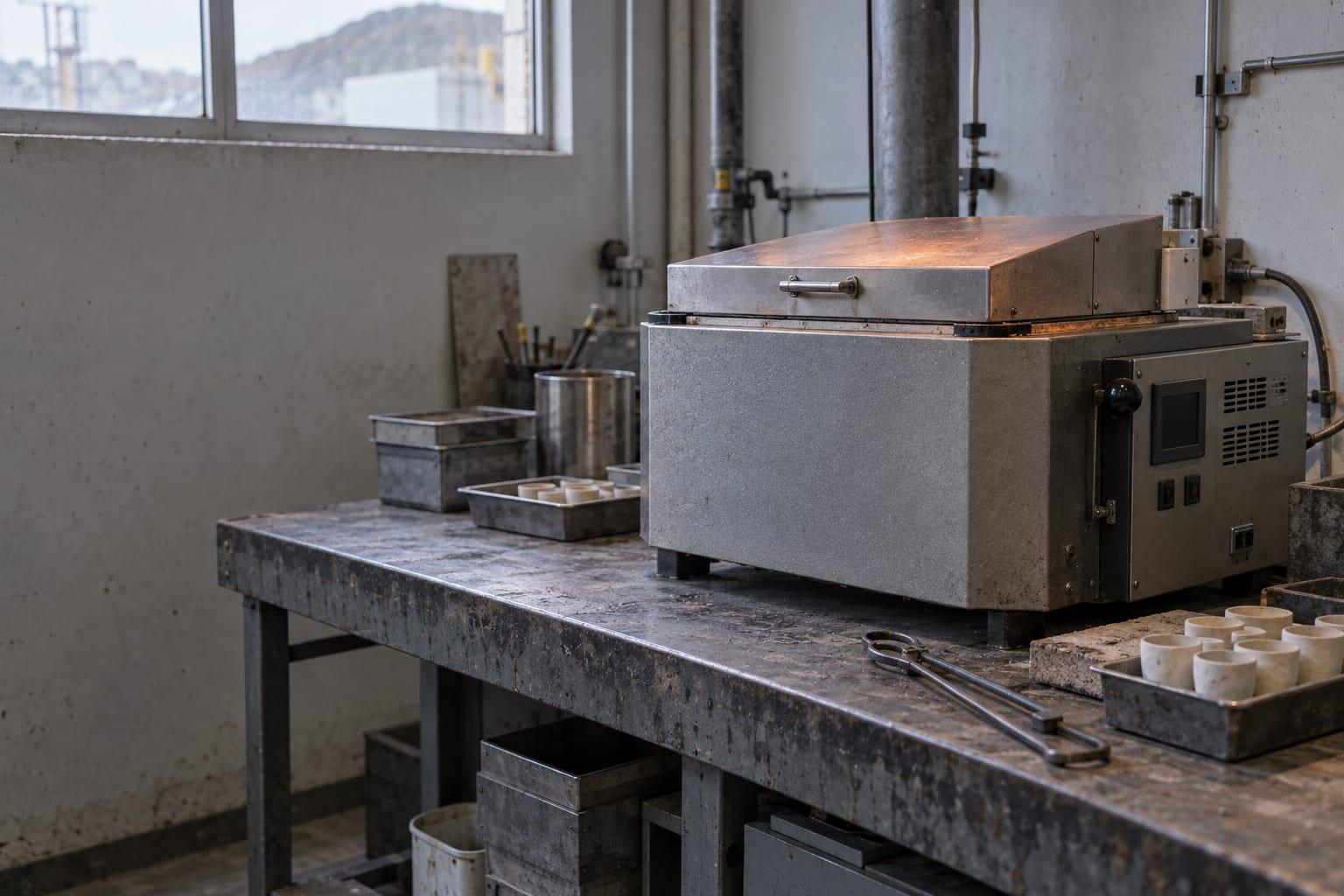
The initial refinery's principal production constraint is electrowinning capacity, according to the Nov. 10 assessment. Its flowsheet uses leaching, electrowinning, melting and sulphurization to produce antimony trisulphide, with antimony metal as an intermediate co-product.
"The confirmation of 216,000 tonnes per annum of front-end processing capacity is a significant milestone for Nova and highlights the strategic value of the infrastructure we have secured at Port MacKenzie," chief executive Christopher Gerteisen said in the release.
Nova's modelling indicates potential refined antimony production of approximately 9,400 tonnes annually with a feed grade of 5 per cent. A separate scenario using 10 per cent antimony feed indicates potential output of approximately 20,000 tonnes annually.
Both scenarios assume sufficient downstream refinery capacity and depend on feed grade and other operating requirements. Nova identifies additional electrowinning and melting equipment as the main expansion requirement.
Permits Cover The Initial Development
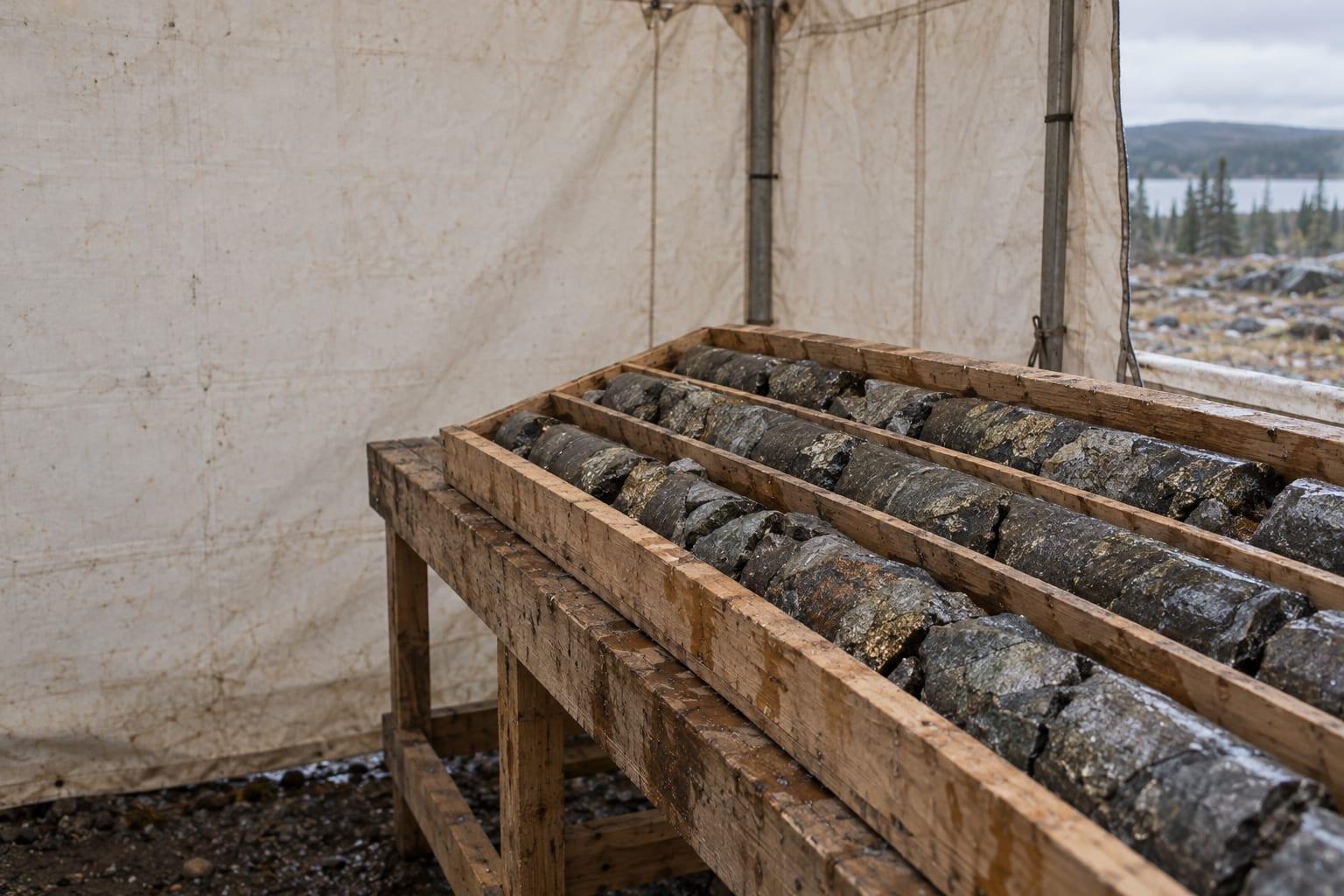
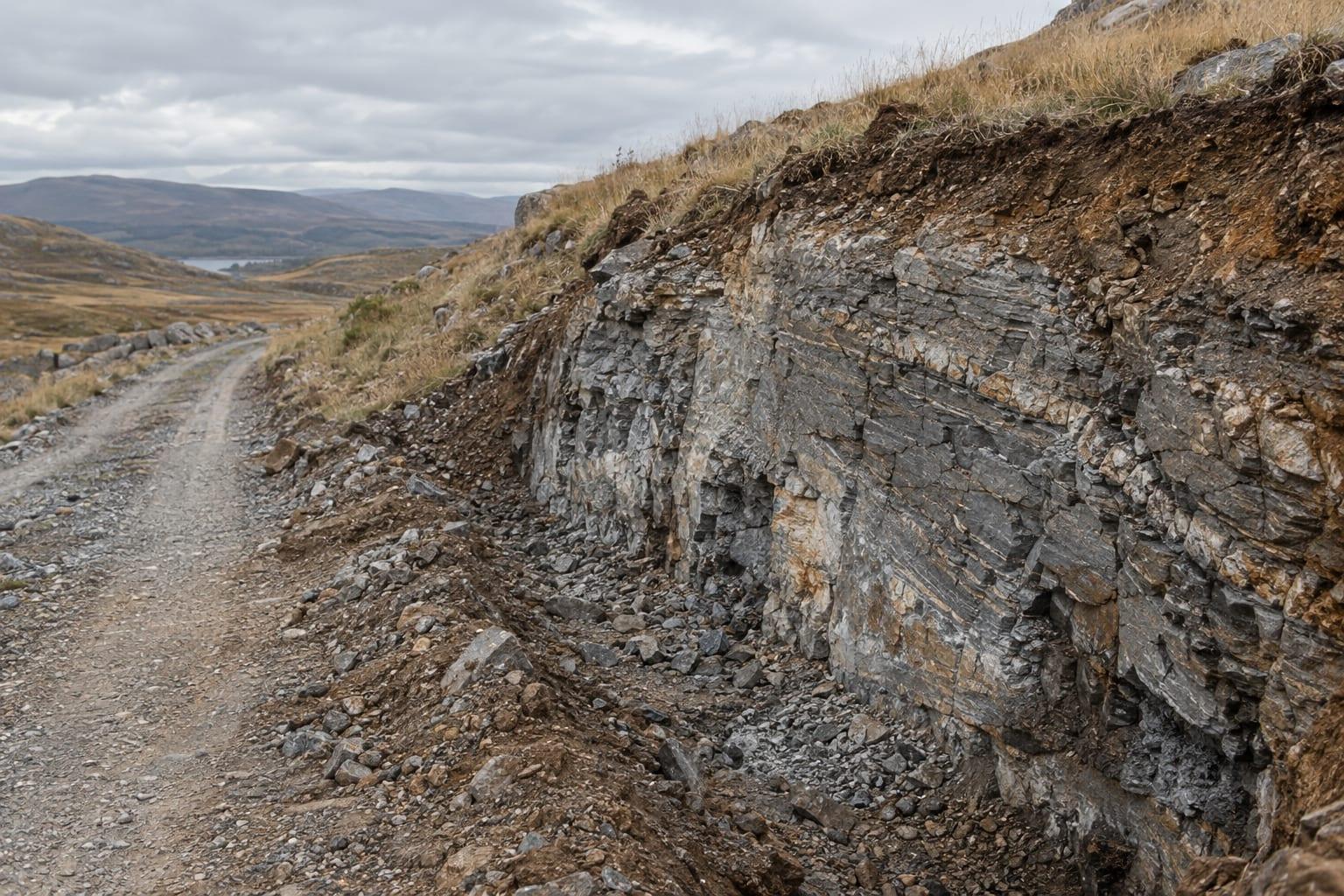
Nova says Alaska Department of Natural Resources approvals authorize construction and operating activities for an initial three-year term. The approved chain includes stibnite mining at Styx and Stibium, concentration at Whiskey Bravo and downstream processing at Port MacKenzie.
Read more: Critical One Energy reports Micon antimony target and extends Howells Lake
The Nov. 10 assessment also identifies tungsten and other suitable mineral feedstocks as potential future processing opportunities. Nova says additional funding applications are under review.
Perpetua Resources Corp. TSEPPTA NASDAQPPTA announced an award of up to US$40 million on Oct. 26 to evaluate tungsten concentrate production at Stibnite in Idaho. Perpetua must match the Army contribution, and later funding phases require approval.
Nova reported equipment delivery and early earthworks on Oct. 8. The next operating milestone is targeted military-grade antimony trisulphide production in 2027, using the initial pilot-scale refinery.