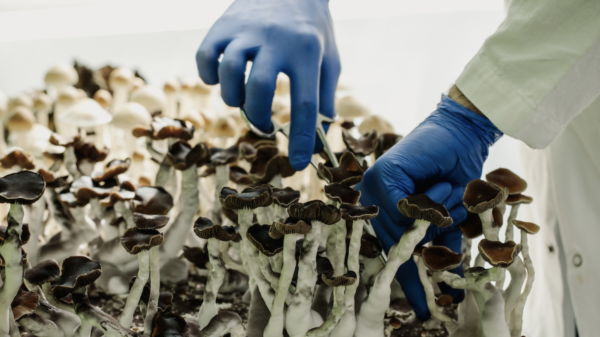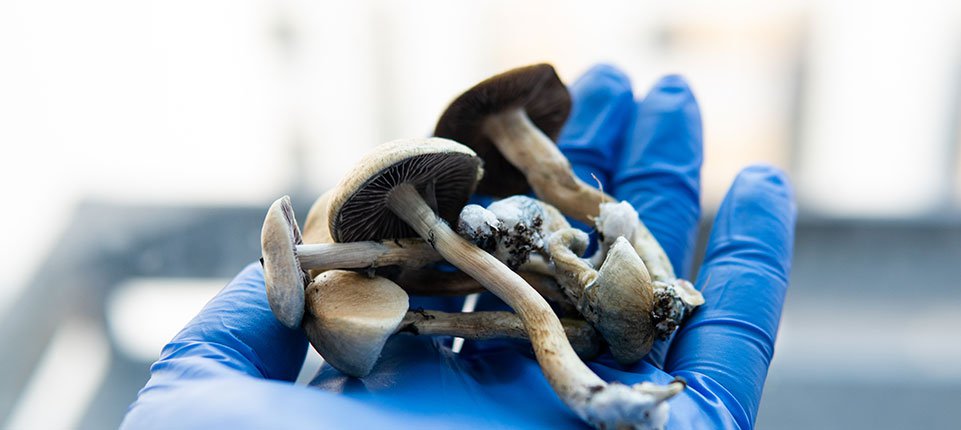

During his last day in office on Tuesday, New Jersey Governor Phil Murphy signed a bill authorizing medical psilocybin therapy. This move aims to alleviate the burdens of treatment-resistant conditions where conventional therapies have failed.
Through the legislation, which allocates US$6 million to three hospitals that are yet to be selected, a two-year Psilocybin Behavioral Health Access and Therapy Pilot Program will be undertaken. Depression, PTSD, anxiety, substance use disorders and end-of-life distress are indications it aims to treat. State Senate President Nicholas Scutari sponsored the bill.
An 11-member Psychedelic Therapy and Research Advisory Board will be formed to manage the endeavour. It will be tasked with ensuring that the activities adhere to FDA protocols.
Upon completion of the inaugural initiative, officials will submit a report to state officials about whether they believe the program should continue, change its criteria or expand.
Assemblywoman Lisa Swain called it a “first step” in addressing mental health gaps while advocates like Logan Davidson from Veterans Exploring Treatment Solutions (VETS) praised its clinical focus and potential for positive life-altering therapies.
This pilot campaign could potentially pave the way for more robust psychedelic reforms in the state.
More than half of residents approve
A 2024 poll completed by Stockton University’s William J. Hughes Center for Public Policy in New Jersey found that 55 per cent of residents supported supervised therapeutic usage of magic mushrooms. It reflected rising acceptance despite the substance’s current status as a Schedule I drug at the federal level.
New Jersey joins American states such as Texas, Arizona and Georgia by authorizing psilocybin research of this nature, but has not implemented policies as relaxed as Oregon or Colorado. The move builds on the state’s 2021 decision to reduce penalties for small possession of the psychedelic drug.
“A big and innovative legislative move in New Jersey,” commented Jackob Nimrod Keynan, Scientific Manager at Tel Aviv University’s Institute for Psychedelic Research. “In Israel — at a time of unprecedented need for safe and effective mental-health care — it may be time to seriously consider a similar model.”
Read more: ‘Psychedelic’ tarantula added to Fauna & Flora’s endangered species list
Bill attracted condemnation before passing
Certain state officials feel that allocating a vast sum of taxpayer dollars toward state psilocybin research is a waste of time.
Assemblywoman Dawn Fantasia voiced her opinion on the matter at the New Jersey State Legislature last week.
“From a fiscal and policy standpoint, this makes no sense,” she stated. “New Jersey could rely on FDA data, NIH research, Johns Hopkins, NYU, UCLA, the VA system and international clinical trials from Europe and Israel.”
Moreover, Fantasia said evidence about the therapeutic value of psilocybin produced by institutions like these will “FAR supersede” anything that the state could ever produce.
“Spending 6 million dollars to replicate what the medical world already knows is not about learning something new,” she continued. “It’s about creating a New Jersey-specific excuse to justify a political decision that has been made.”
Fantasia concluded by saying that if this was actually helping veterans with PTSD or people with treatment-resistant depression, New Jersey should move straight to tightly regulated clinical access. She compared the investment to lighting taxpayer funds on fire.
Four state senators who voted against the legislation in the Senate on Jan. 12 shared her sentiment on the subject. The bill passed 35-4.
Read more: American DEA boosts psychedelic drug production quotas
Follow Rowan Dunne on LinkedIn
rowan@mugglehead.com