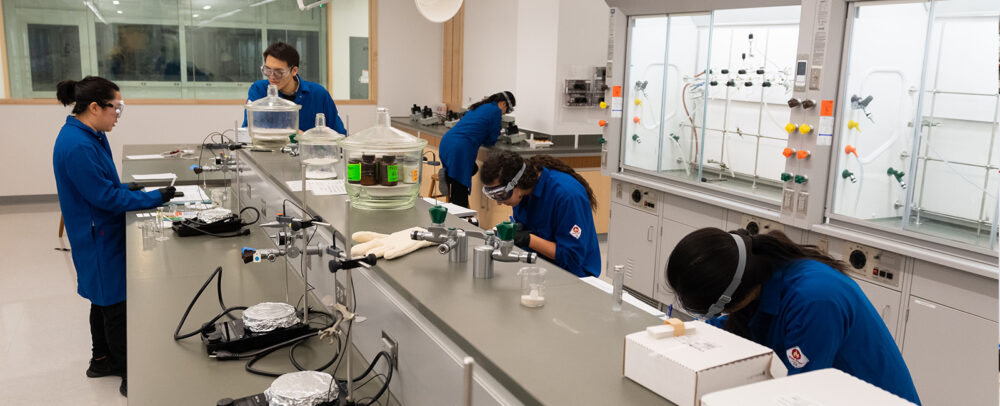

Scientists have taken a major step toward unlocking a long-studied cancer fighting compound by making it in the lab for the first time.
Researchers from Massachusetts Institute of Technology and Harvard Medical School reported on Wednesday that they have successfully synthesized verticillin A, a rare fungal molecule first identified more than 50 years ago.
Verticillin A has drawn attention for decades because of its ability to kill cancer cells. However, it appears in nature only in tiny amounts inside a microscopic fungus. Consequently, scientists have struggled to study it in detail.
Until now, the compound’s complex structure and chemical instability blocked laboratory synthesis. Additionally, even small structural differences from related molecules created outsized technical challenges.
The breakthrough came when the team reworked an earlier synthetic strategy developed by MIT chemist Mohammad Movassaghi. That earlier method produced similar compounds but not verticillin A itself. However, subtle atomic differences forced the researchers to rethink nearly every step.
Movassaghi explained that the team gained new insight into why verticillin A resisted previous efforts. In addition, they learned that minor structural changes can dramatically increase difficulty during synthesis.
Verticillin A consists of two identical halves fused into a single unit, known as a dimer. While that sounds straightforward, the molecule only forms if its three-dimensional shape aligns perfectly. Consequently, even slight errors ruin the final structure.
To solve this, the researchers changed the order of chemical reactions. Furthermore, they temporarily shielded fragile chemical bonds to prevent them from breaking mid-process.
The team completed the synthesis in 16 carefully timed steps. Subsequently, they removed protective groups only after joining the two halves together. That sequencing allowed the correct 3D structure to emerge.
Read more: Prestigious medtech intelligence firm recognizes Breath Diagnostics for innovation
Read more: Breath Diagnostics completes install of advanced mass spectrometry system
Synthetic compound tested on aggressive brain cancer
According to Movassaghi, timing mattered more than any single reaction. He noted that the team had to reorder when bonds formed to avoid collapse of the molecule.
With verticillin A finally available on demand, the researchers moved quickly to biological testing. Meanwhile, they created several designed variants to probe how structural changes affect activity.
They tested the synthetic compound on lab-grown cells from diffuse midline glioma, or DMG. DMG is a rare and aggressive brain cancer that mainly affects children. Additionally, it has few effective treatment options.
Related compounds had previously shown activity against DMG cells. In this case, the synthetic verticillin A again killed cancer cells in laboratory dishes. Furthermore, deeper analysis showed it hit the intended protein targets inside the cells.
Chemical biologist Jun Qi from Harvard Medical School said access to the compound changes the research landscape. He explained that scientists can now fully explore how verticillin A works at the molecular level.
In addition, researchers can design and test improved variants rather than relying on scarce natural samples. That capability allows closer collaboration between chemists, biologists, and clinicians.
Read more: Breath Diagnostics leaders promote their mission at Miami investment conference
Read more: The next front against cancer: A Mugglehead roundup
Startups showing there’s no one way to fight cancer
More broadly, the achievement reflects a growing wave of ingenuity in cancer research, as scientists and startups alike pursue unconventional strategies to attack the disease from entirely new angles.
One startup making headway in unconventional cancer detection is Breath Diagnostics, Inc.
The Ketucky-based company is developing OneBreath, a patented breath-analysis system that examines volatile organic compounds in a single exhaled breath to detect early-stage lung cancer with high sensitivity and specificity. The non-invasive test can deliver results in minutes without radiation or needles. This potentially replaces more costly and invasive imaging scans and broadening access to early detection in clinics and community settings.
Another innovator is SpotitEarly, a biotech startup harnessing a hybrid of trained dogs and artificial intelligence to analyze breath samples for multiple cancers. Its approach pairs canine scent detection with machine learning to identify cancer-related biomarkers in breath. So far, early results have shown promising accuracy. The company also plans to roll out an at-home multi-cancer screening test.
.