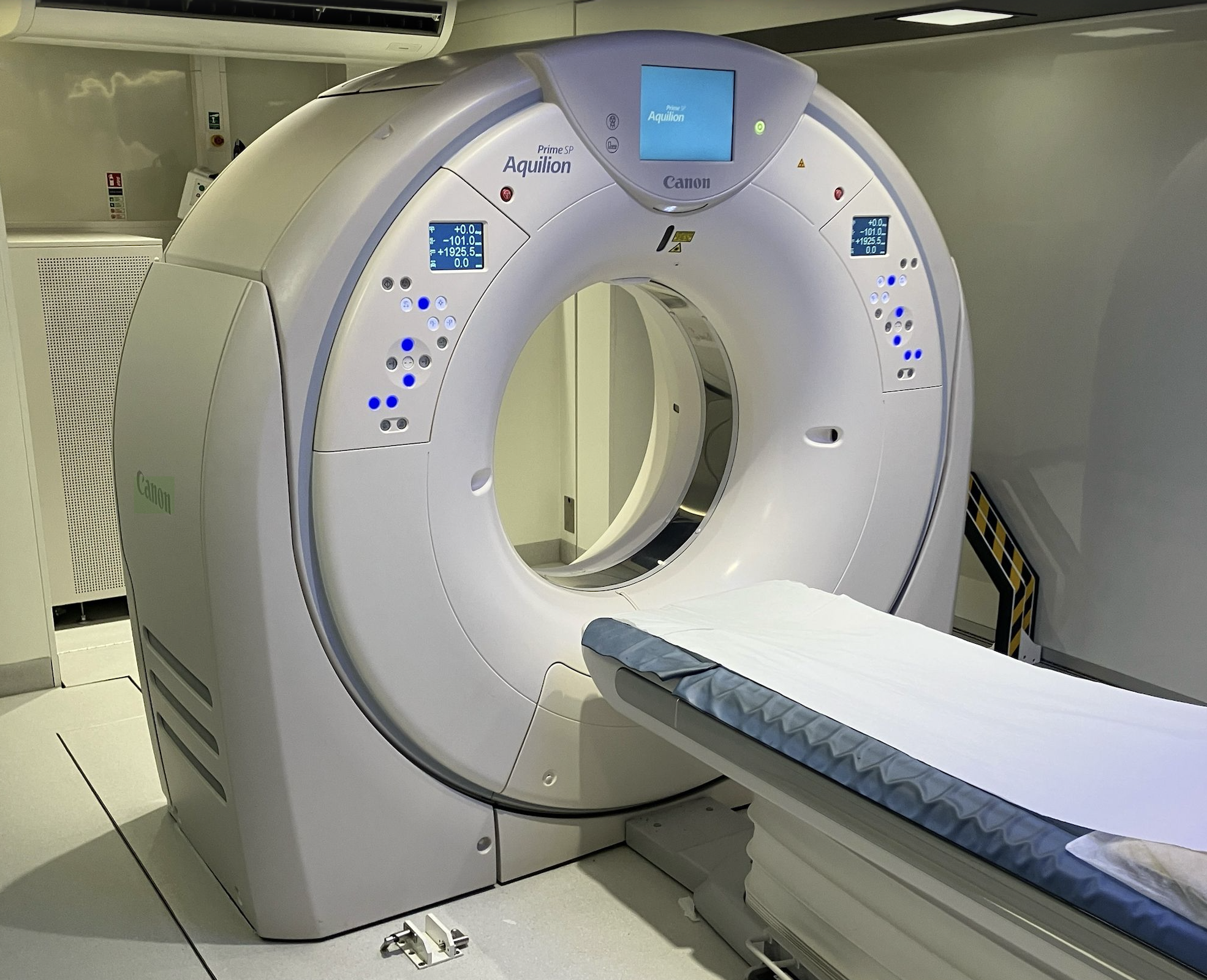

A group of leading American oncology organizations are voicing condemnation about what they describe as a growing body of misinformation that is pushing people away from low-dose CT lung cancer screening.
In a jointly issued letter and editorial this month, the American College of Radiology (ACR), Society of Thoracic Surgeons (STS) and American Society for Radiation Oncology (ASTRO) voiced their thoughts. It appeared in the Journal of the American College of Radiology, Annals of Thoracic Surgery, and the International Journal of Radiation Oncology, Biology, Physics.
Therein, they argue that repeated methodological flaws in recent research has unfairly distorted the views of many about the risks and benefits of screening. They say certain publications have shared wrongful info about false positive rates and relied on invalid assumptions about radiation risks.
The authors explained that this overstatement about potential complications is potentially discouraging medical professionals and patients from relying on what they view as a life-saving tool. Lung cancer remains the top cancer killer in the United States and early detection is closely linked to improved survival rates.
One of their most significant criticisms targets a study published last year by the University of California, San Francisco, which found that LDCT machines could account for 5 per cent of new cancer cases. The study estimated that the 93 million CT examinations performed in 2023 would cause 103,000 new cancer cases.
“An alarming 255 per cent increase compared with a prior 2007 modelling despite only a 30 per cent increase in CT scans performed and better overall CT scanning technology using lower radiation exposure,” they explained in their paper, adding that the discrepancies merited scrutiny.
UCSF paper’s methodology thrown into question
The paper says that one of the California study’s authors drew upon information from the National Cancer Institute’s Radiation Risk Assessment Tool, which uses data from Japanese atomic bomb survivors from 1950 onwards. Although confusing, this essentially means that some researchers, like those in discussion, questionably estimate the cancer risk from CT scans by borrowing radiation risk data from atomic bomb survivors.
“Associating acute and intense radiation exposure from atomic bombings with cancer risk from CT imaging requires inappropriate extrapolation,” the authors stated.
Additionally, the organizations have pointed out that certain recent studies have been inappropriately using administrative claims data to attribute complications to screening that may be unrelated or occur long after an initial scan. The letter also highlights how widely people confuse false-positive rates with false discovery rates. It points out that journalists, advocates, and others have repeatedly misreported a 96.4 percent figure from earlier studies in ways that wrongly suggest nearly all positive screening results prove unnecessary.
The groups say this conclusion is factually incorrect and misleading.
Read more: Prestigious medtech intelligence firm recognizes Breath Diagnostics for innovation
Screening uptake in U.S. is very low
Less than one in five eligible individuals are currently undergoing annual lung cancer screening as recommended. This concerning statistic has given these oncology expertise groups incentive to put fears they view as unjustified to rest.
The letter authors are arguing that errors in peer-reviewed studies like these can fuel unwarranted fears of radiation harm and unnecessary follow up. Furthermore, they could prompt clinicians to be hesitant in recommending screening while eligible patients may choose to decline being examined.
The credibility of these criticisms is reinforced by the stature of the organizations that put the letter together. The ACR, ASTRO, and STS collectively represent tens of thousands of specialists directly involved in imaging, radiation therapy and surgical management of lung cancer. This rare and coordinated effort showcases an extreme level of concern about how screening data is being assessed and disseminated.
These societies emphasize that LDCT remains the only screening method proven to reduce lung cancer mortality, yet the broader screening system continues to evolve rapidly. Companies like Breath Diagnostics are pioneering breath-based platforms and other emerging medtech solutions, reflecting ongoing efforts to complement imaging with additional modalities that can help refine pathways and enable earlier diagnosis.
Every now and then, history calls us to stand up for justice and protect patients from relentless systemic misinformation campaigns that are literally killing them. This includes those originally funded by tobacco companies, which did everything legally possible to interfere with… pic.twitter.com/l5vHPpxByS
— Drew Moghanaki (@DrewMoghanaki) January 22, 2026
Read more: Breath Diagnostics completes install of advanced mass spectrometry system
Follow Rowan Dunne on LinkedIn
rowan@mugglehead.com