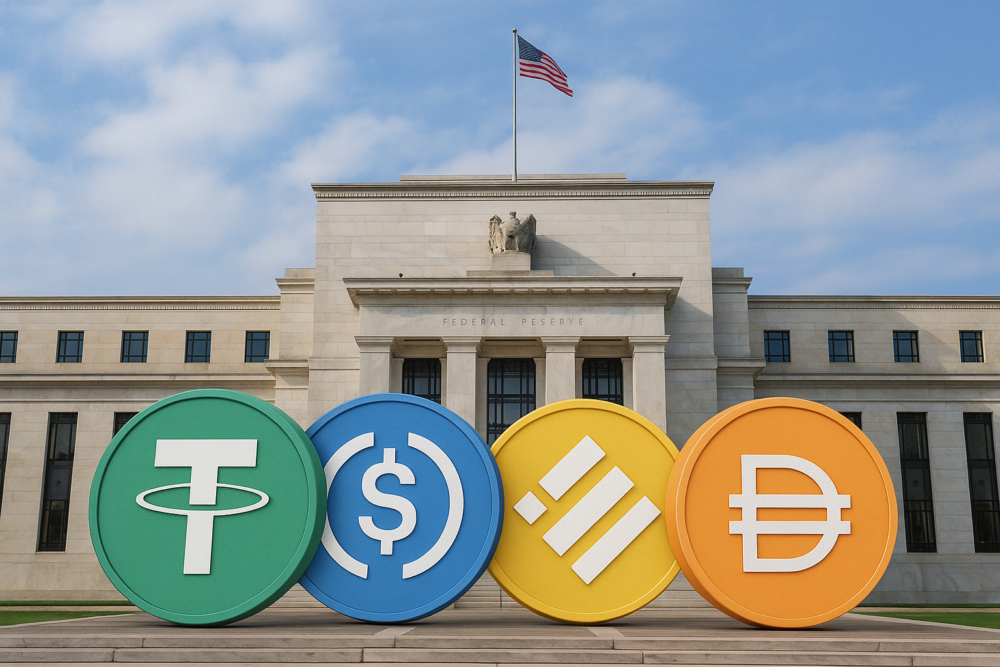

Stablecoins may expand access to financial services, but they could weaken central banks’ power over their own currencies, according to a new report from the International Monetary Fund (IMF).
The 56-page review warns that rapid digital adoption may shift everyday transactions toward foreign-denominated tokens and away from local money.
The IMF says stablecoins can enter an economy quickly through smartphones and the internet. Historically, people needed physical dollars or bank accounts to tap the greenback. Now digital tokens remove those barriers. The fund cautions that this shift may spark “currency substitution,” which occurs when households and firms rely on a foreign currency instead of their own.
A move toward dollar-based stablecoins may limit a central bank’s ability to guide interest rates or control liquidity.
Additionally, the report says that if foreign stablecoins become routine in payments, domestic options such as central bank digital currencies may struggle to gain traction.
“The use of foreign currency-denominated stablecoins, especially in cross-border contexts, could lead to currency substitution and potentially undermine monetary sovereignty, particularly in the presence of unhosted wallets,” the organization added.
Stablecoin use has climbed in Africa, the Middle East, Latin America, and the Caribbean. People in high-inflation environments often see these tokens as a survival tool that preserves spending power. Additionally, the IMF points out that rising stablecoin balances in those regions now compare more closely with foreign-exchange deposits, which traditionally help central banks influence monetary policy.
Read more: Malaysia forms taskforce to combat $1.1B in Bitcoin power theft
Read more: Ripple gains regulatory clearance to boost crypto payments in Singapore
US approved stablecoin legislation last year
Dollar-denominated stablecoins represent 97 per cent of the sector’s roughly USD$311 billion market, according to cryptocurrency data platform, CoinGecko. Euro-based tokens total about USD$675 million, while yen-linked versions hold around USD$15 million. The IMF says this imbalance further tilts economic activity toward the U.S. currency.
The organization recommends that governments block digital assets from gaining official currency or legal-tender status. Such rules would ensure that no one is forced to accept stablecoins for payments. However, the IMF stresses that strong policy frameworks, not outright bans, will help countries protect financial sovereignty while allowing responsible innovation.
In November, the European Central Bank warned that a surge in dollar-stablecoins could drain retail deposits from banks. The ECB said such outflows could leave lenders more exposed to unstable funding sources. Furthermore, it argued that the shift may divert resources away from traditional financial channels.
When the U.S. approved its stablecoin legislation earlier this year, Treasury Secretary Scott Bessent said new demand for government debt could help lower borrowing costs. He also said widespread adoption may bring millions of new users into the digital dollar economy.
.