Hydro One Limited's unit asks OEB to approve rates for C$37B plan
In docket EB-2026-0164, the utility forecasts transmission rate base rising from C$19.2B in 2028 to C$28.5B in 2032.
 Ines Halvorsen
On Oct. 7, an approximately C$37 billion investment plan for 2028-2032 accompanied the Ontario Energy Board application that Hydro One Limited TSEH said its subsidiary Hydro One Networks Inc. filed. Hydro One Networks requests C$2.59 billion in 2028 transmission revenue and C$2.64 billion in distribution revenue, according to its executive summary. The application seeks board approval of rates for the five-year period from Jan. 1, 2028, through Dec. 31, 2032.
The filing is docket EB-2026-0164. For shareholders, the filed rate-base schedule forecasts transmission rate base rising to C$28.5 billion in 2032 from C$19.2 billion in 2028. The proposed transmission revenue requirement would be recovered through uniform transmission rates, subject to the Ontario Energy Board's decision on investments, rates and shareholder returns, as Hydro One explains.
At 4 p.m. EDT on Oct. 7, Hydro One shares TSEH closed down 0.84 per cent at C$50.83 on the Toronto Stock Exchange. The company released the filing news after that close.
Under the proposal, a typical year-round medium-density household's monthly transmission bill would rise C$0.50 in 2028 and by an average C$1.14 a year through 2032 if approved. Hydro One projects a C$0.10 decline in monthly distribution base charges in 2028, followed by no change through 2032, largely reflecting rate protection for eligible customers and a proposed refund.
"These estimates could change based on the OEB's decisions," Hydro One said in the release.
The Filing Separates Capital From Other Costs
The executive summary identifies C$16.65 billion in transmission capital and C$10.86 billion in distribution capital over 2028-2032. It lists operating, maintenance and prepaid cloud spending separately. The C$37 billion headline plan is broader than those two capital lines.
For the proposed five-year period, Hydro One says it would modernize about 1,400 kilometres of transmission lines and replace or refurbish more than 85,000 distribution poles. Its transmission work would add capacity to connect and deliver approximately 6,000 megawatts of new electricity, a target that depends on approvals and construction.
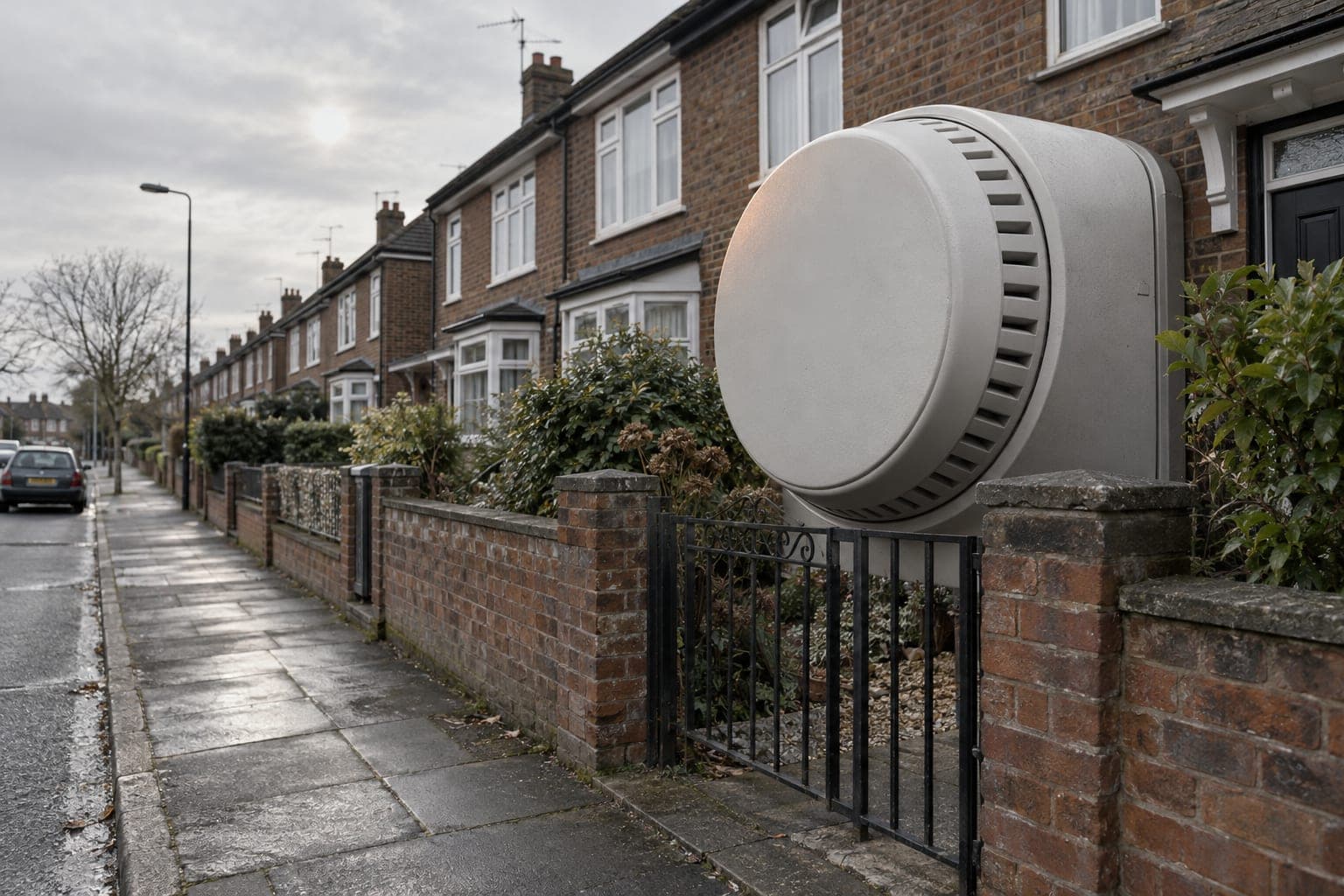
The company also proposes smart switching on about 90 per cent of major distribution lines and 5,400 residential energy storage systems for customers most affected by prolonged outages. Hydro One estimates the storage systems would reduce outage duration for those customers by approximately 95 per cent.
The application asks to raise the deemed equity share of Hydro One's transmission and distribution capital structure to 45 per cent from 40 per cent. It also proposes an earnings-sharing mechanism that would return half of cumulative earnings over the term that exceed the allowed return on equity by more than one percentage point to customers. Both terms await the board's review.
Hydro One asks the board to harmonize the former Orillia and Peterborough distribution rate zones with its main distribution business in 2031. The application also seeks approval of Hydro One Sault Ste. Marie LP's 2027 transmission revenue requirement on a final basis.
Read more: Hydro One Limited opens Orillia warehouse, completes C$120M facilities build
The main transmission and distribution rates Hydro One seeks would take effect Jan. 1, 2028, if the Ontario Energy Board approves them.