
Ghana has launched a tightly regulated program for cultivating low-THC cannabis, opening opportunities in medicinal and industrial applications.
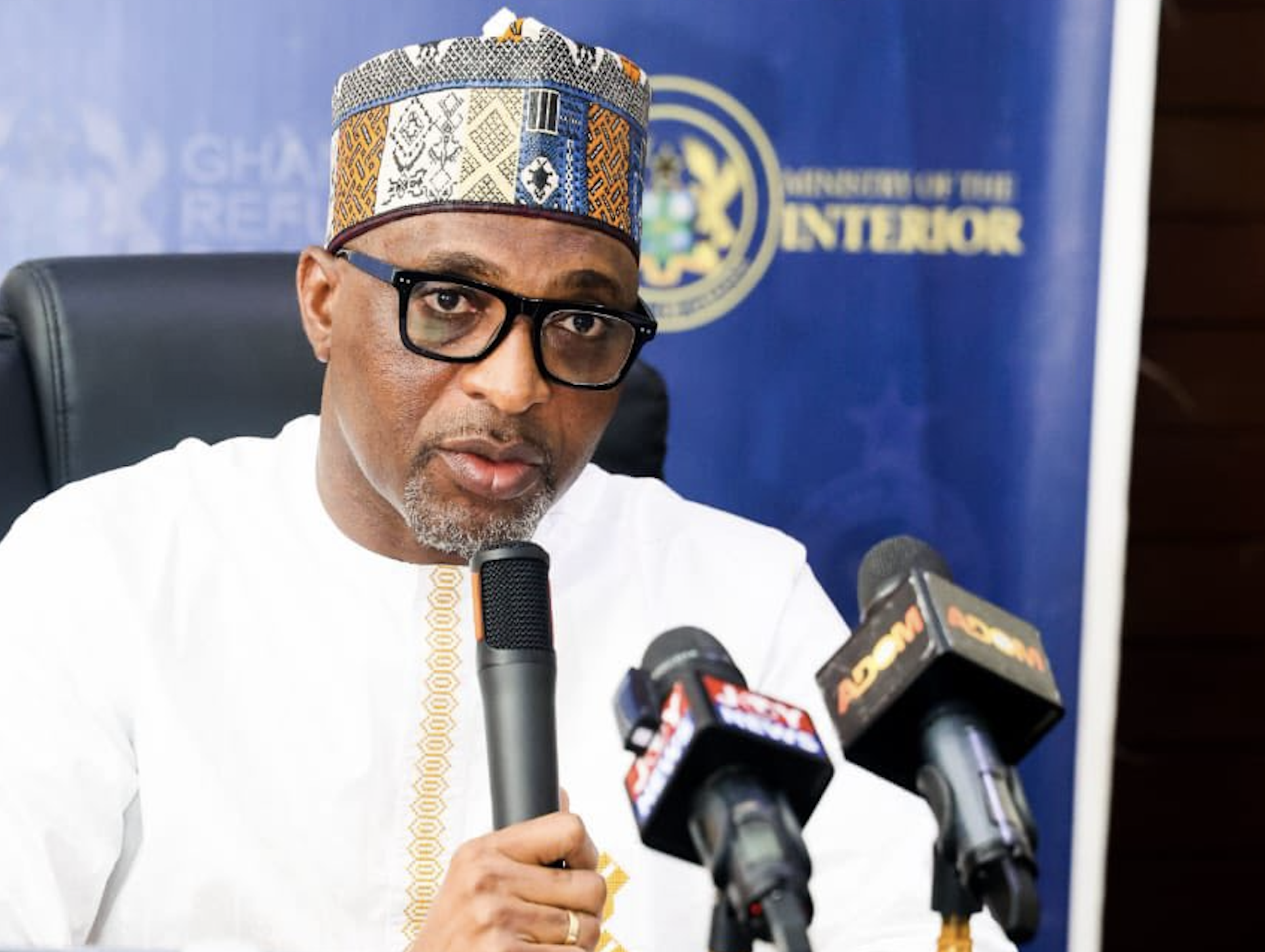
On Feb. 26, Interior Minister Muntaka Mubarak announced the initiative in Accra, emphasizing that only varieties with 0.3 per cent THC or less on a dry weight basis qualify under the new rules. This framework distinguishes clearly between legal low-THC hemp and high-THC recreational cannabis, which continues to carry criminal sanctions in the country.
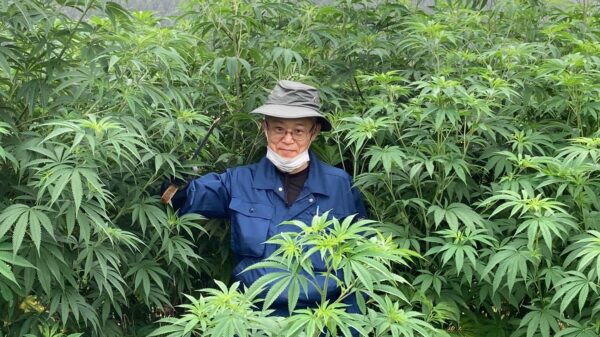
The focus centres on hemp for pharmaceuticals, textiles, biofuels, construction materials and other non-intoxicating products. Eligible participants include Ghanaian citizens aged 18 and older, as well as companies with at least 51 per cent local ownership and majority Ghanaian directors.
Applicants are to submit requests through a digitized online portal. The government says this is designed to promote transparency and minimize corruption.
The licensing system covers 11 distinct categories that range from breeding and cultivation to processing, storage, transportation and export. They are each tied to a specific type of site and activity.
Officials project significant economic benefits, including thousands of jobs — particularly for rural youth — and revenue from license fees and exports. Inspiration has been drawn from established markets like Canada where industrial cannabis generates substantial income and supports diverse industries.
However, concerns have surfaced about accessibility. High fees, reportedly reaching US$45,000 per hectare, could favour large corporations and exclude small-scale farmers.
Cultivation sites must stay at least 100 metres from schools and homes. Authorities will conduct unannounced inspections, require quarterly reports and deploy drones in partnership with police and intelligence services to prevent diversion or abuse. Penalties for unlicensed operations include up to 10 years in prison.
This milestone builds upon parliament advancing reforms in 2023 by passing legislation that legalized low-THC cultivation for medical and industrial purposes. With the latest milestone, Ghana is now moving from legal authorization to practical implementation.
Ghana partially decriminalized small possession of high-THC marijuana in 2020. Authorities have shifted from throwing smokers in prison to issuing fines.
Read more: In Nepal, cannabis becomes an acceptable sacred haze on one special day
Follow Rowan Dunne on LinkedIn
rowan@mugglehead.com