FDA psychedelics hearing draws little pushback on future therapeutic use
This meeting builds on Trump's executive order for ibogaine and other compounds in April
 Rowan Dunne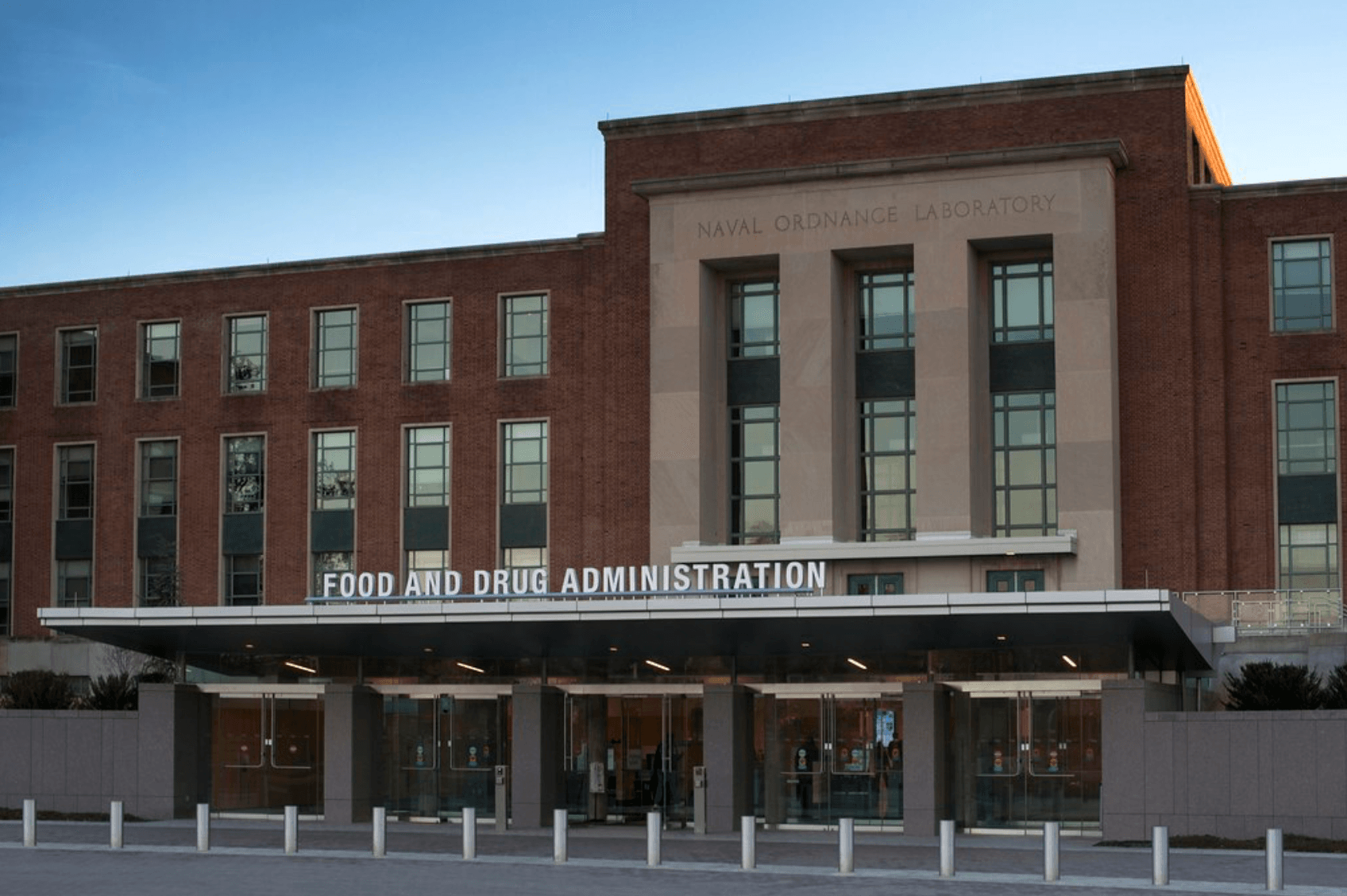
Few voices rose against psychedelic therapies at the Food and Drug Administration’s public hearing on Monday. The four-hour session at the agency’s White Oak campus in Silver Spring, Maryland, drew doctors, veterans, therapists and researchers who mostly backed careful progress.
Officials from several federal partners sat with nearly 80 speakers. More than 1,800 people registered and the four-hour YouTube recording has now drawn over 12,000 views. The meeting formed part of a wider push that started with a presidential order in April. That order told the agency to speed work on these treatments for hard-to-treat mental health problems and placed a clear focus on ibogaine alongside other compounds. Priority review tools have already gone to several developers.
Speakers spent the time on how the country would actually deliver these therapies if they gain approval. They covered training for staff, how many people stay in the room during sessions, patient screening, payment by insurers, clinic space and ways to track safety over years. Sessions can last six to 12 hours so trained monitors must remain present. Nurse Tina Braddock told the panel that nurses are already licensed, trained and ready. She said they make the treatments safe and can bring them to people who need them. Others warned that strict rules on doctors being nearby within fifteen minutes could shut out rural clinics.
Opposition to the idea of future approval stayed thin. Most speakers wanted clear rules rather than any more roadblocks. Kevin Sabet, head of the Foundation for Drug Policy Solutions, was one notable exception, warning that psychedelics should earn approval “through science and trials, not politics or podcasters.”
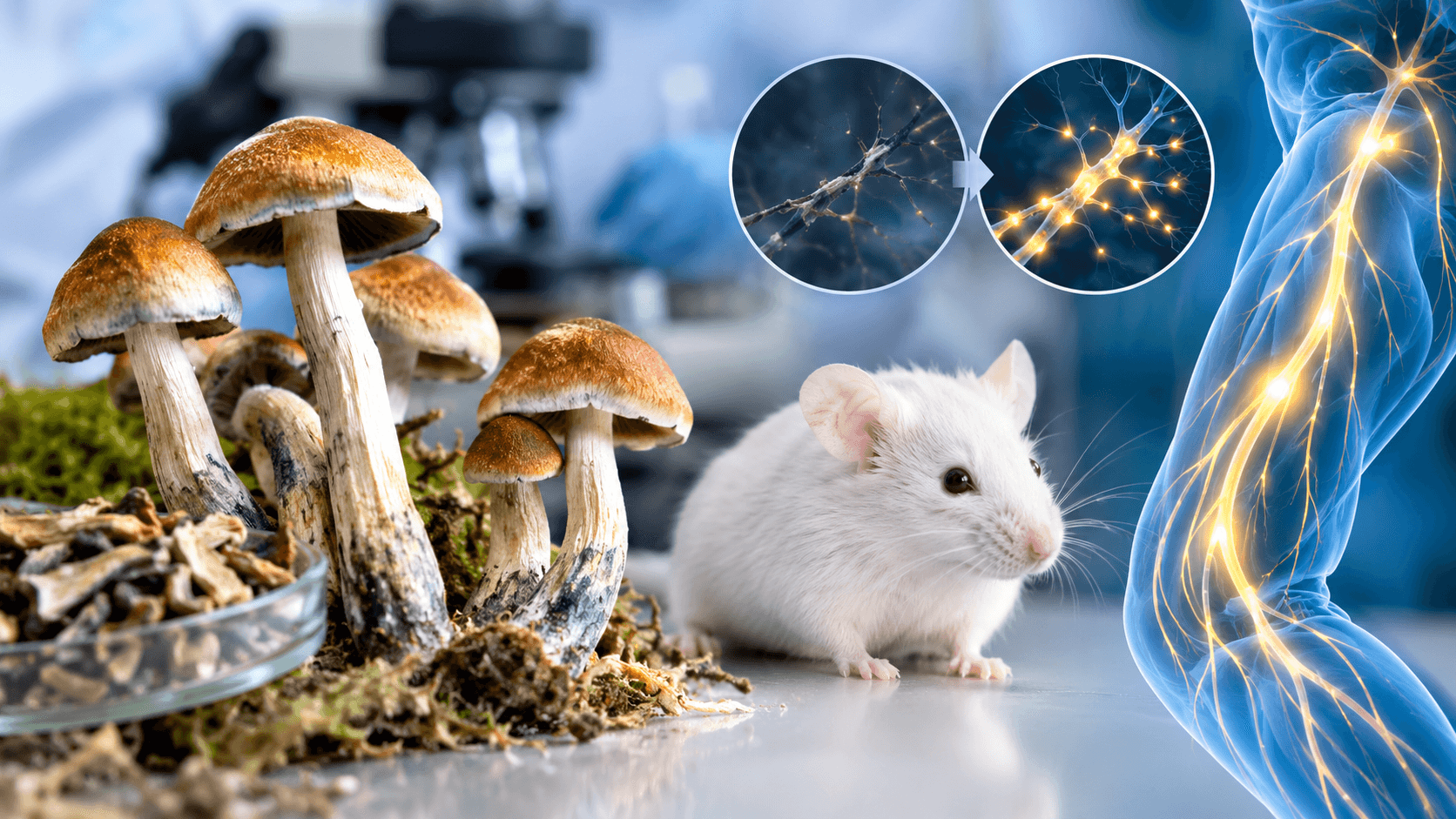
Political support now runs ahead of the practical setup. The administration, health department and FDA leaders have signalled they want products to move. COMPASS Pathways PLC‘s NASDAQCMPS FRA5Y6 COMP360 sits nearest the finish line. It is a synthetic form of psilocybin, the active compound in certain mushrooms, and targets depression that resists other treatments. The hearing did not change that path.
Instead it showed the harder remaining task. Clinics must organise long sessions with trained monitors, open fair access across cities and rural areas, and build systems to watch for problems after approval. Eddie Jacobs, a postdoctoral researcher at Johns Hopkins University who studies the ethics and real-world risks of these treatments, noted that safety data so far comes from tightly controlled trials. Real-world risk is more likely to be underestimated than overestimated in his view. He said it is better to start with stronger protections and adjust them later.
The agency is now accepting written comments until early October as it presses forward. Shares of companies in the sector showed no significant movement after the hearing closed.


The FDA’s first public hearing dedicated to psychedelic therapies just concluded after 81 speakers, including dozens of medical and mental health professionals. Over 90% spoke in favor of psychedelic therapies, with only a handful expressing opposition or significant reservations
Read more: Puerto Rico governor signs executive order for psychedelic therapy research
Follow Rowan Dunne on LinkedIn
rowan@mugglehead.com