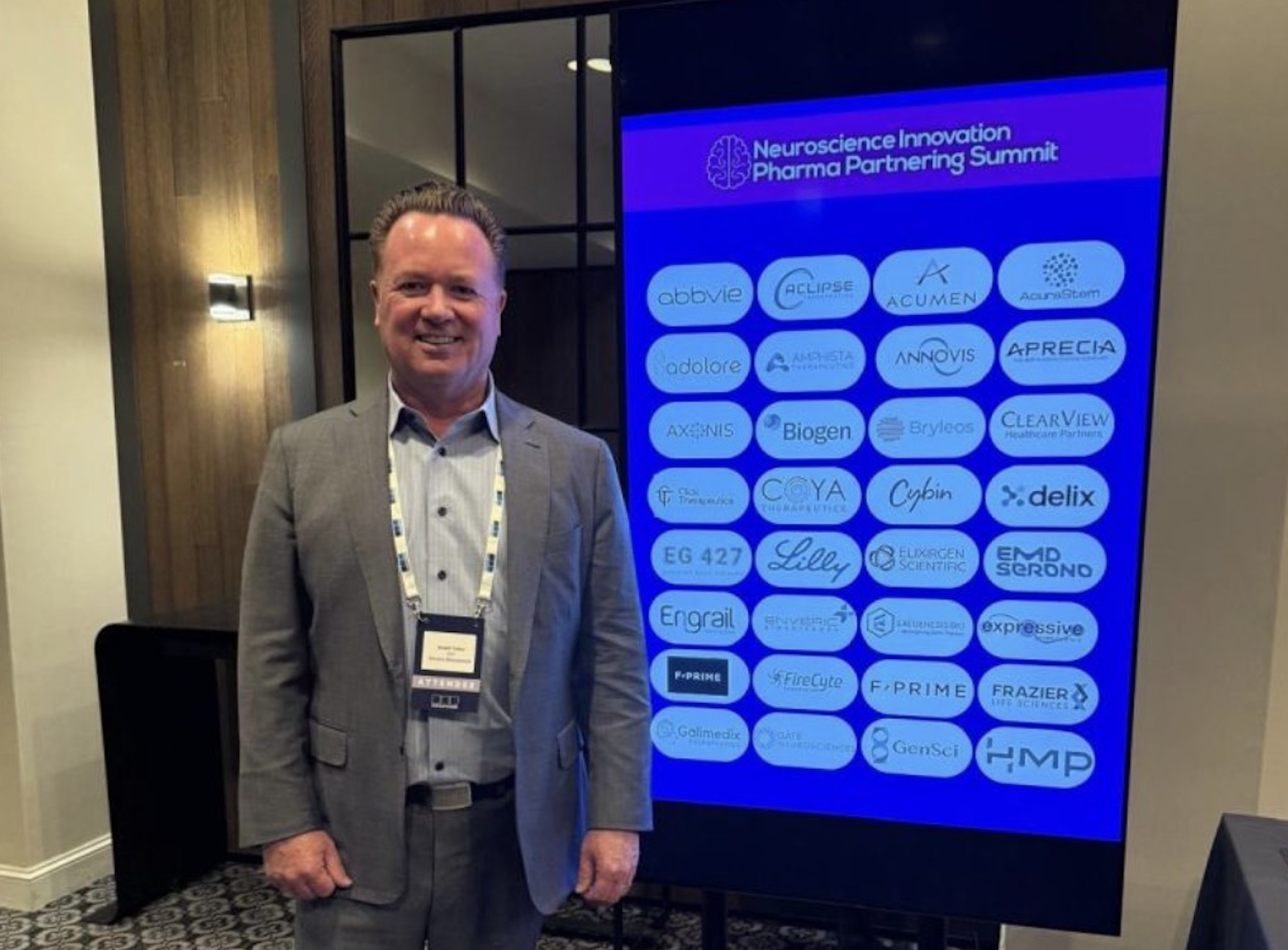

Enveric Biosciences Inc (NASDAQ: ENVB) will soon have a patent in hand for its EVM301 non-psychoactive, psychedelic-inspired drugs. The United States Patent and Trademark Office just gave Enveric a notice of allowance, thereby signalling that the agency views the patent application favourably.
The biotech company soared during premarket and trading hours Wednesday after revealing the news in a press release the previous day. Stock rose by over 100 per cent before the market opened and closed 74.5 per cent higher than Tuesday at US$10.33.
These drugs are classified as neuroplastogenic tryptamine derivatives. Enveric designs them to treat mental health disorders such as depression, anxiety, and PTSD.
Chief executive Joseph Tucker says that the lead drug candidate in the EVM301 family, a dimethlytryptamine (DMT) analogue designated as EB-301, can deliver “fast-acting, durable antidepressant and anxiolytic effects, while being specifically designed to promote neuroplasticity and minimize hallucinogenic effects” in clinical settings.
Orally-administered EB-301 is the first known compound capable of engaging the brain’s 5-HT A and 5-HT B serotonin receptors simultaneously.
Assuming there are no delays and all the paperwork is in order, Enveric will receive the patent titled “N-heterocycle substituted tryptamine derivatives and methods of using” within two to three months.
“Once issued, the compositions claims and methods of use claims covered by Enveric’s new U.S. patent will further broaden company’s pipeline by covering additional potential neuroplastogenic non-hallucinogenic molecules and strengthening its potential to target neuropsychiatric and addiction disorders for patients with few other options,” Enveric stated on social media.
Enveric isn’t the only Massachusetts-based biotech company developing non-hallucinogenic, psychedelic-inspired drugs. Boston-headquartered Delix Therapeutics is another pioneer in this field.
Delix obtained FDA clearance for a Phase II clinical trial on its lead “trip-free” psychedelic drug candidate DLX-001 in October.
Enveric calls drugs with these properties neuroplastogens, Delix describes them as psychoplastogens and researchers from the University of Birmingham recently decided to classify them as “psychedelic drug informed but psychedelic-experience inactive [PiPi]” drugs.
Read more: Synthetic ibogaine: a game changer for mental health treatment
Follow Rowan Dunne on LinkedIn
rowan@mugglehead.com