DBV Technologies submits peanut patch BLA for children aged 4 to 7
DBV requested priority review for VIASKIN Peanut after reporting a 31.8-point responder advantage over placebo in VITESSE.
 Adrian Kessler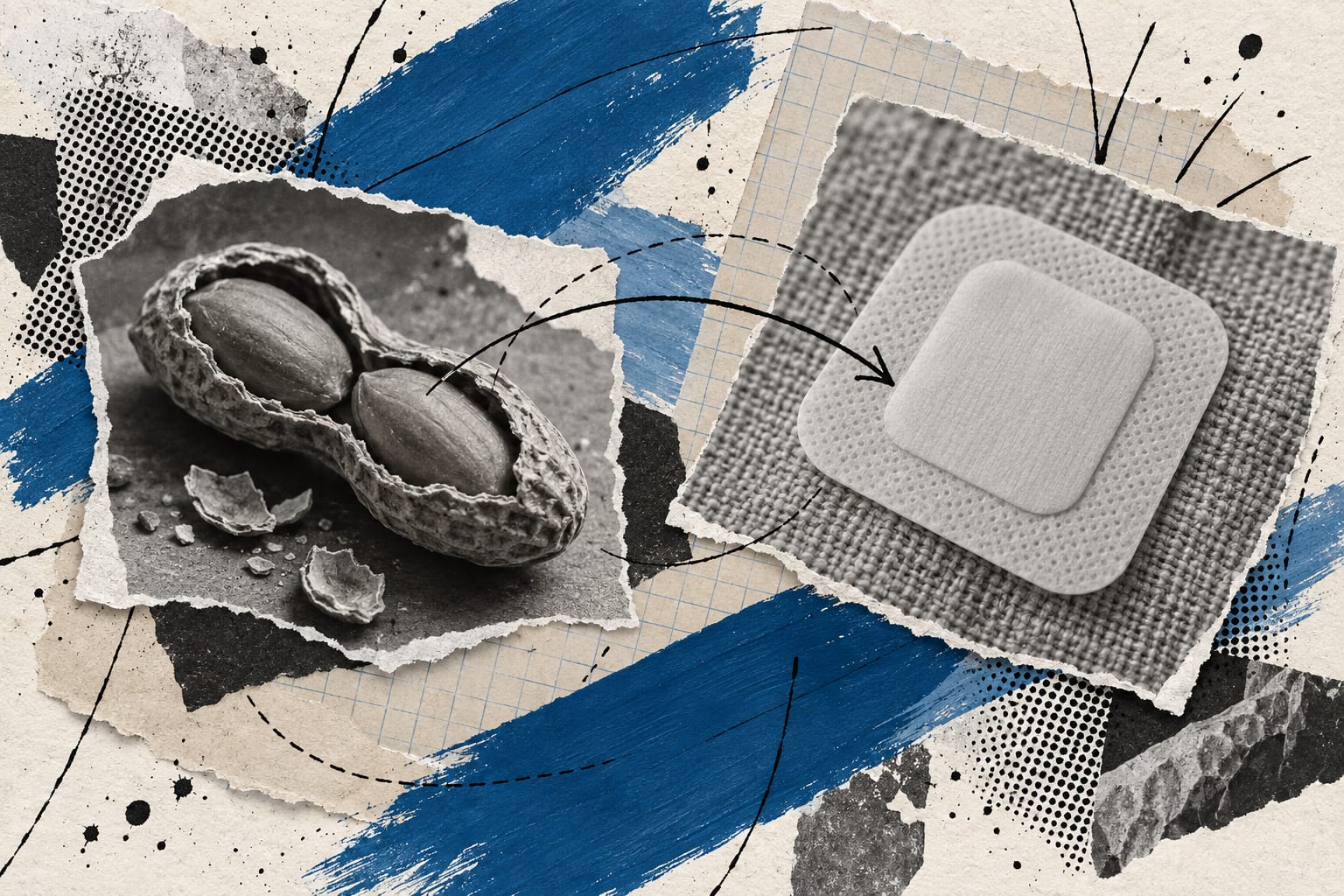
A U.S. licensing request for a peanut allergy patch reached the FDA on Tuesday after DBV Technologies EPADBV NASDAQDBVT submitted a biologics license application for children aged four through seven. The application draws on a Phase 3 trial in 654 children, and DBV also requested priority review.
DBV's Sept. 29 announcement reports the submission and priority-review request without reporting an FDA decision on either. The patch had earlier received Breakthrough Therapy Designation, a separate step from marketing approval.
The small French biotech develops skin-delivered treatments for food allergies from its base in Châtillon, with North American operations in New Jersey.
DBV released the filing news after regular Nasdaq trading on Sept. 29. That session's closing price preceded the announcement, so it does not measure the market's response to the filing.
Read more: Pharming Group says FDA accepts lower-dose Joenja sNDA for review
VITESSE Met Its Responder Endpoint
VITESSE randomly assigned 654 children two to one to the VIASKIN Peanut Patch or placebo for 12 months, according to DBV's Sept. 29 release. The patch delivers small amounts of peanut protein through intact skin, rather than by mouth or injection.
The study ran at 86 sites across the United States, Canada, Britain, Europe and Australia. After the blinded treatment period, children could enter an open-label extension and receive the active patch for up to three years of total treatment.
DBV reported on Feb. 28 that 46.6 per cent of treated children met the prespecified response criteria, compared with 14.8 per cent in the placebo group. The difference was 31.8 percentage points, and the company reported a p value below 0.001.
A responder had to reach a specified eliciting dose of peanut protein during a blinded food challenge, with the threshold depending on the child's starting sensitivity. Children reacting at no more than 30 milligrams at baseline needed to reach at least 300 milligrams. Those reacting at 100 milligrams needed to reach at least 600 milligrams.
The 95 per cent confidence interval for the treatment difference was 24.5 to 39.0 percentage points, above the prespecified 15-point lower-bound threshold. The eliciting dose is the amount of peanut protein that provoked a reaction in the controlled challenge.
DBV described most treatment-emergent adverse events as mild local reactions where the patch was applied. The Sept. 29 application announcement did not report a fresh trial readout.
DBV said on March 24, 2025 that FDA written responses agreed the safety exposure from VITESSE and its open-label extension would be sufficient to support a BLA filing. The company said it would no longer conduct the planned COMFORT Children supplemental safety study.
"The submission of our BLA brings VIASKIN® Peanut Patch, a non-invasive, practical treatment option, one step closer to being available for children ages 4 through 7 living with peanut allergy, and marks a significant milestone in DBV’s transformation into a commercial organization," DBV chief executive Daniel Tassé said in the Sept. 29 release.
DBV reported US$174.9 million in cash and cash equivalents at June 30 in its July 16 results. Based on its plans and assumptions, DBV said this would fund operations and commercial preparedness into the third quarter of 2027, including investments ahead of a potential U.S. launch.
In that July 16 update, DBV moved its expected BLA filing from the second to the third quarter as it incorporated FDA feedback on the organization, mapping and formatting of existing CMC and biostatistical data sets. The company said the FDA had requested no additional data.
Read more: Unicycive Therapeutics resubmits oxylanthanum carbonate NDA to FDA
Xolair Is An Approved Food Allergy Treatment
An existing U.S. food allergy therapy puts DBV's proposed patch in context. Novartis AG NYSENVS said on Feb. 16, 2024 that FDA approved Xolair to reduce allergic reactions after accidental exposure to one or more foods in patients aged one year and older. Novartis described Xolair as an injection given every two or four weeks.
Roche Holding AG OTCMKTSRHHBY, through its Genentech unit, said it co-develops and co-promotes Xolair with Novartis in the United States. Xolair's approved use covers a wider age range and multiple foods, while DBV is seeking approval for a skin patch in peanut-allergic children; the companies' trial response rates measure different treatment approaches.
DBV said in its Sept. 29 announcement that it looks forward to working with the FDA during review of the BLA. Its announcement gave no date for the agency's response to the priority-review request or for a marketing decision.