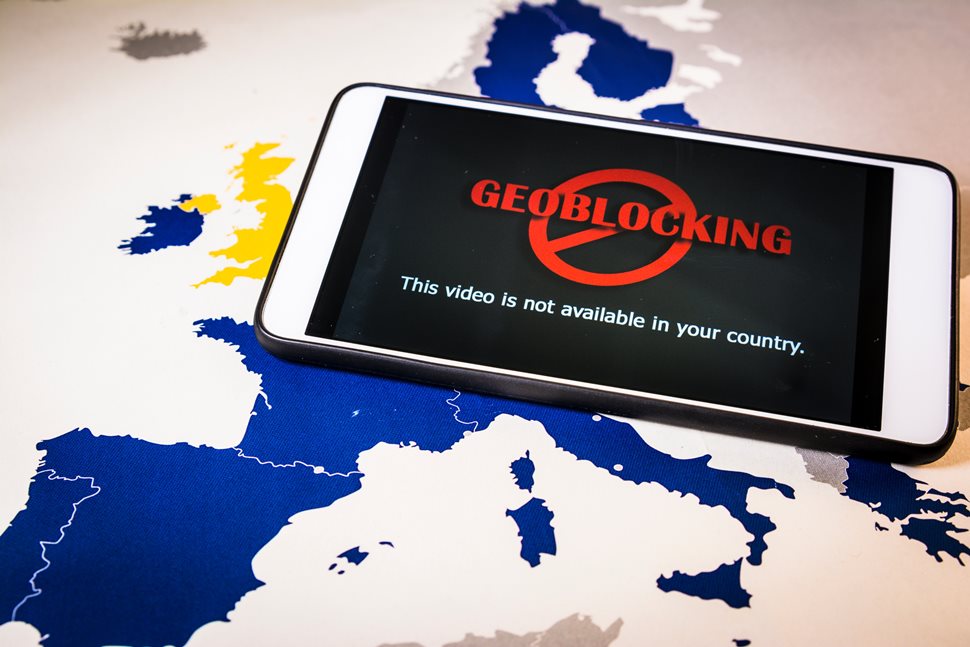

Denmark has kicked off a digital-rights firestorm after proposing a law that would make it illegal to use a VPN to access geoblocked streaming content or to bypass blocks on illegal websites.
The move, pitched as a piracy-control measure on Monday, has instead revived a national debate about how far lawmakers should reach into private digital spaces.
The Ministry of Culture tabled the proposal as part of a wider anti-piracy package. The bill states that citizens would be prohibited from using VPNs “to access media content that would otherwise not be available in Denmark, or to bypass blocking of illegal websites.”
Fines would take effect on July 1, 2026. Enforcement mechanisms remain vague, which has fuelled criticism.
VPN usage is common in Denmark, and not only among heavy streamers. Many people rely on these services to secure personal data, reduce tracking and interact safely online. But they also use VPNs to watch content locked to other regions. A survey from the Danish Chamber of Commerce found nine per cent of Danes use VPNs to reach foreign streaming libraries.
Digital-rights advocates say the new proposal risks criminalizing those ordinary habits. Jesper Lund, chair of the IT Political Association, warned the law’s broad language could be interpreted so aggressively that it may chill the legal market for VPNs entirely. He said the proposal carries an intrusive tone and noted that even states with tighter information controls than Denmark rarely impose user-level penalties for VPN access.
The backlash also extends beyond the text of the bill. Critics view this proposal as part of a larger pattern from Danish policymakers who have shown a willingness to approve sweeping digital controls.
Read more: Irish privacy watchdog investigates Grok’s usage of personal EU data, again
Read more: ChatGPT’s Japanese anime filter causes outrage; ‘melts’ OpenAI GPUs
“A disaster waiting to happen” according to privacy groups
Denmark backed the controversial EU “Chat Control” push, a proposal that would scan private digital messages for illicit content. After the early version stalled, Denmark introduced a revised framework that helped push the bill through its final stage. Privacy groups called the plan a “disaster waiting to happen” and said it would normalize scanning technologies that previously existed only in extreme surveillance regimes.
Furthermore, Danish lawmakers have also floated a ban on social-media use for children under 15.
The proposal mirrors moves in Australia, where governments have tested similar laws in response to rising public anxiety about youth online harms. Together, the initiatives have convinced many civil-liberties advocates that Denmark is drifting toward a more interventionist posture online.
The VPN bill lands at a time when copyright holders across Europe are escalating their demands. The Motion Picture Association (MPA) has pushed national governments to make VPN providers more involved in piracy enforcement. French broadcasters have already secured court rulings that force some VPN services to block access to illegal sports streams. Those efforts focused on provider responsibility. Denmark’s bill moves the pressure downward, shifting liability from companies to individual users.
Culture Minister Jakob Engel-Schmidt rejected the accusations and insisted that critics misread the bill. He said he would “never propose” outlawing VPNs and claimed the law targets piracy, not privacy tools. Digital-rights groups remain unconvinced. They argue that enforcement cannot happen without deep inspection of user traffic. Furthermore, any such system creates structural incentives for surveillance creep.
Read more: OpenAI blocks accounts tied to China’s surveillance and phishing efforts
Read more: Humanoid robots smash each other’s circuits at inaugural Beijing contest
Denmark at the centre of a European privacy fight
Policy analysts say the consultation period will determine the fate of the proposal. Privacy organizations want the ministry to clarify where legal VPN use ends and criminal activity begins. Industry groups are preparing arguments that the existing language makes compliance impossible.
Companies cannot detect whether a connection involves piracy without violating user trust.
Denmark now finds itself at the centre of a widening European fight over privacy, sovereignty and digital conduct. Lawmakers insist the bill is a technical fix for a long-standing piracy problem. Critics say it is part of a deeper shift in which personal browsing habits become collateral damage in the name of enforcement.
The tension mirrors a broader question now circulating across Europe: how much intrusion governments can justify when the stated goal is safety, and how much citizens are willing to accept before pushing back.
.
joseph@mugglehead.com