
Chile’s state-owned copper giant Codelco expects the Middle East conflict to push its production costs about 5 per cent higher, offering one of the first clear inflation signals from a major miner.
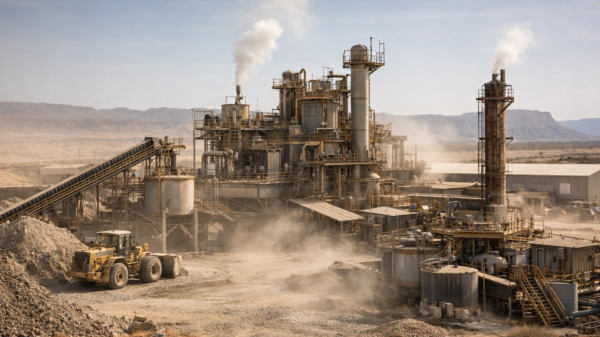
The company estimates higher fuel, supplies and policy changes could add roughly USD$0.10 per pound to costs. Currently, its cash cost sits near USD$2 per pound.
Chief financial officer Alejandro Sanhueza said the company is watching global developments closely. However, he noted the firm has not yet faced direct operational impacts from the conflict. Instead, Codelco remains exposed to rising international input prices, particularly diesel and industrial materials. Additionally, supply chain disruptions could tighten access to key inputs like sulfuric acid.
The broader geopolitical situation presents a threefold challenge for miners worldwide. Higher energy costs, disrupted logistics and weaker commodity prices are all weighing on margins.
Copper prices have dropped nearly 9 per cent since the conflict began. Meanwhile, concerns about stagflation have added pressure to the sector. Even so, Codelco maintains a constructive long-term outlook for copper markets. Sanhueza indicated that demand growth continues to outpace supply expansion despite near-term volatility.
Furthermore, he suggested structural constraints make it increasingly difficult to bring new copper supply online. That dynamic continues to support long-term pricing fundamentals. Last year, stronger copper prices helped lift Codelco’s earnings before special items by 23 per cent. Production, however, remained largely flat during the period.
The company now expects slightly higher output this year as it works through operational setbacks. Additionally, management aims to stabilize performance after a series of project delays and cost overruns.
Read more: NevGold delivers major growth at Idaho gold project
Read more: Antimony recovery results from NevGold’s Limo Butte project exceed expectations
Rising demand for AI and EV are reshaping copper markets
Executive chairman Máximo Pacheco is leading efforts to restore production levels. Output previously fell to a 25-year low due to declining ore grades and project challenges.
Meanwhile, safety and operational issues continue to complicate recovery efforts. Restrictions remain in place at a key mine following a deadly collapse last July. Pacheco is targeting a return to pre-pandemic production levels of about 1.7 million tonnes. Consequently, that could position Codelco to reclaim its status as the world’s largest copper producer.
That title is currently held by BHP Group (NYSE: BHP). However, the competitive landscape remains tight as supply struggles to keep pace with demand. Additionally, rising demand from artificial intelligence infrastructure and electric vehicles is reshaping copper markets. These trends continue to drive long-term consumption growth.
Demand growth from electric vehicles and artificial intelligence is already reshaping copper markets at scale. According to Grand View Research, the global copper market is projected to grow from about USD$241.88 billion in 2024 to USD$339.95 billion by 2030, representing a compound annual growth rate of roughly 6.5 per cent.
Electric vehicles are a major driver within that expansion. Each EV uses up to four times more copper than a conventional car, and sector demand is expected to double by 2035 as adoption accelerates. Additionally, charging infrastructure and grid upgrades further increase copper intensity across the energy system.
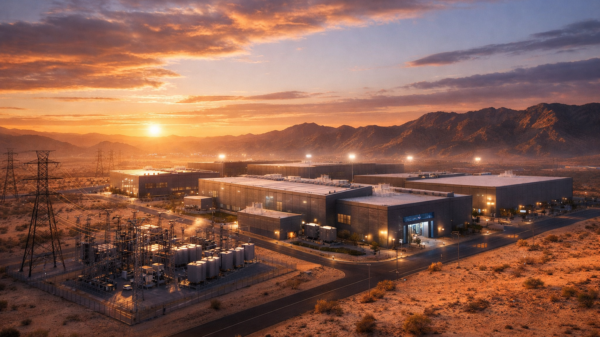
Meanwhile, artificial intelligence is rapidly emerging as a parallel demand engine. Data centres require large volumes of copper for power distribution, cooling systems and electrical wiring. Analysts estimate global data centre buildouts could consume hundreds of thousands of tonnes of copper by 2030 alone.
.