
A major solar panel manufacturer is restructuring its ownership to protect its US sales, and transferring key manufacturing assets from its Chinese unit to its Canadian parent.
CSI announced the plan in a Shanghai exchange filing on Tuesday. This move comes as Washington increases its scrutiny of imports from China. CSI Solar Co,, based in Suzhou, will sell a 75.1 per cent stake in three overseas factories to its parent company, Canadian Solar Inc. (NASDAQ: CSIQ).
It was the world’s seventh-biggest solar panel producer last year. Additionally, it entered the energy storage business early. Shawn Qu is the chairman of both companies. Canadian Solar already owns 62 per cent of CSI’s shares. Consequently, CSI shares fell as much as 8 per cent in Shanghai following the announcement.
China’s dominant position in the clean energy supply chain has provoked various US restrictions. These include direct tariffs on Chinese solar panels and batteries. Furthermore, the US has limited tax incentives for Chinese companies investing in domestic renewable power equipment manufacturing.
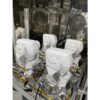
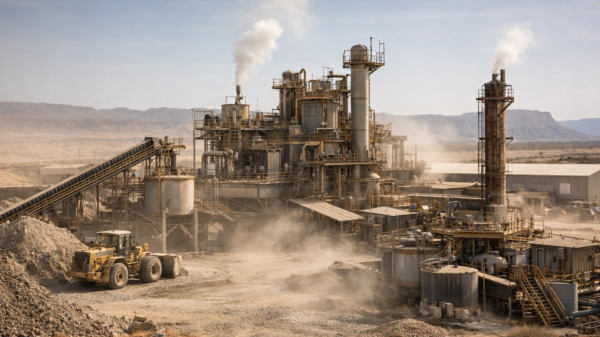
The Chinese company did not specify the location of the three factories being transferred. However, it stated that they include a 3 gigawatt-hour energy storage system plant. In addition, the assets comprise a 2.9 gigawatt battery factory and an 8 gigawatt solar wafer slicing operation. The three facilities have a combined value of 469 million yuan (USD$66 million). They primarily supply the US market.
The factories will facilitate the launch of two new joint ventures (JVs) in the US. These JVs will focus on solar power and energy storage. Canadian Solar will own 75.1 per cent of the joint ventures. Conversely, CSI will retain the remaining 24.9 per cent.
Read more: Texas solar operators surge after exceeding Q3 expectations
Read more: Trump halts nation’s biggest solar project
Wall Street advises caution on Canadian Solar
CSI aims “to address changes in US market laws and regulations,” according to the filing.
It also seeks to “ensure normal business operations,” the company said. The goal is to “reduce operational risks and achieve long-term participation in the US market.” Subsequently, this action will help CSI “remain compliant with potential US foreign entity of concern requirements,” said analyst Dennis Ip. This compliance applies to solar and energy-storage systems exports to the US.
Wall Street analysts currently hold a cautious view on Canadian Solar.
The overall consensus rating for the company sits primarily at Neutral/Hold or Sell. This suggests that analysts are divided or express significant skepticism regarding the stock’s future. Consequently, the average 12-month price target is approximately $17.63 to $22.66. This figure sits below the stock’s current trading price.
Several financial firms recently adjusted their outlooks on the company. For example, Mizuho downgraded its rating on Canadian Solar to “Underperform” (Sell) in November. Additionally, Jefferies downgraded the stock from “Buy” to “Hold” around the same time. These downgrades show decreasing confidence among some analysts. However, UBS maintains its “Buy” rating. Roth Capital kept its “Neutral” rating.
The wide range of price targets also shows this divergence of opinion. Targets range from a low of $10.00 to a high of $38.00. Consequently, the mixed ratings reflect uncertainty in the solar sector. Furthermore, they follow the company’s recent strategic move to transfer Chinese assets to its Canadian parent. This restructuring aims to secure its participation in the US market. The recent analyst actions indicate that some believe the stock may be overvalued at its current level.