Cabral Gold reports first Cuiú Cuiú gold sale of over 2,400 ounces
The Brazil mine's first doré sale fetched more than US$4,200 an ounce as Cabral targets commercial production in the fourth quarter.
 Julian Okafor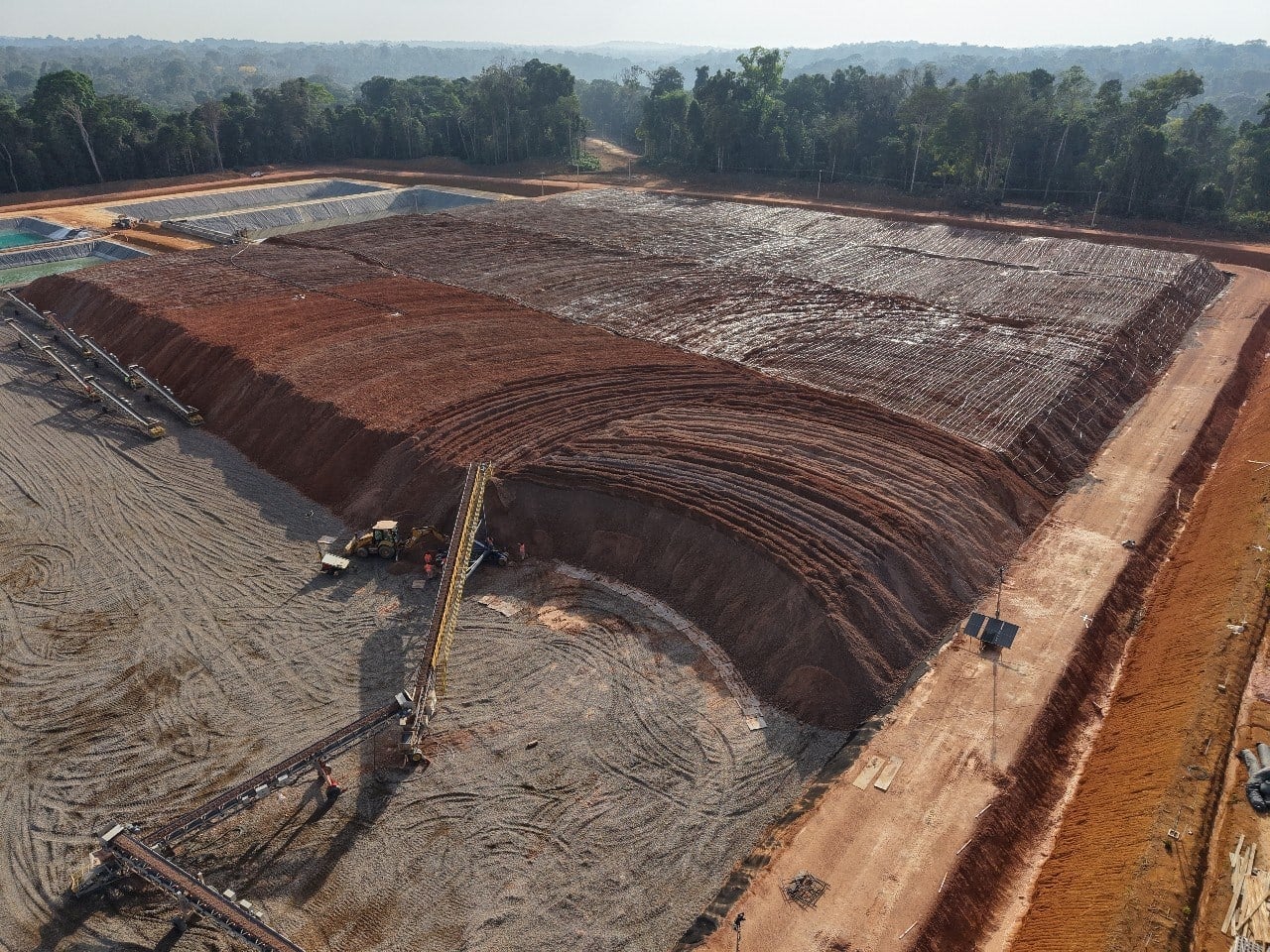
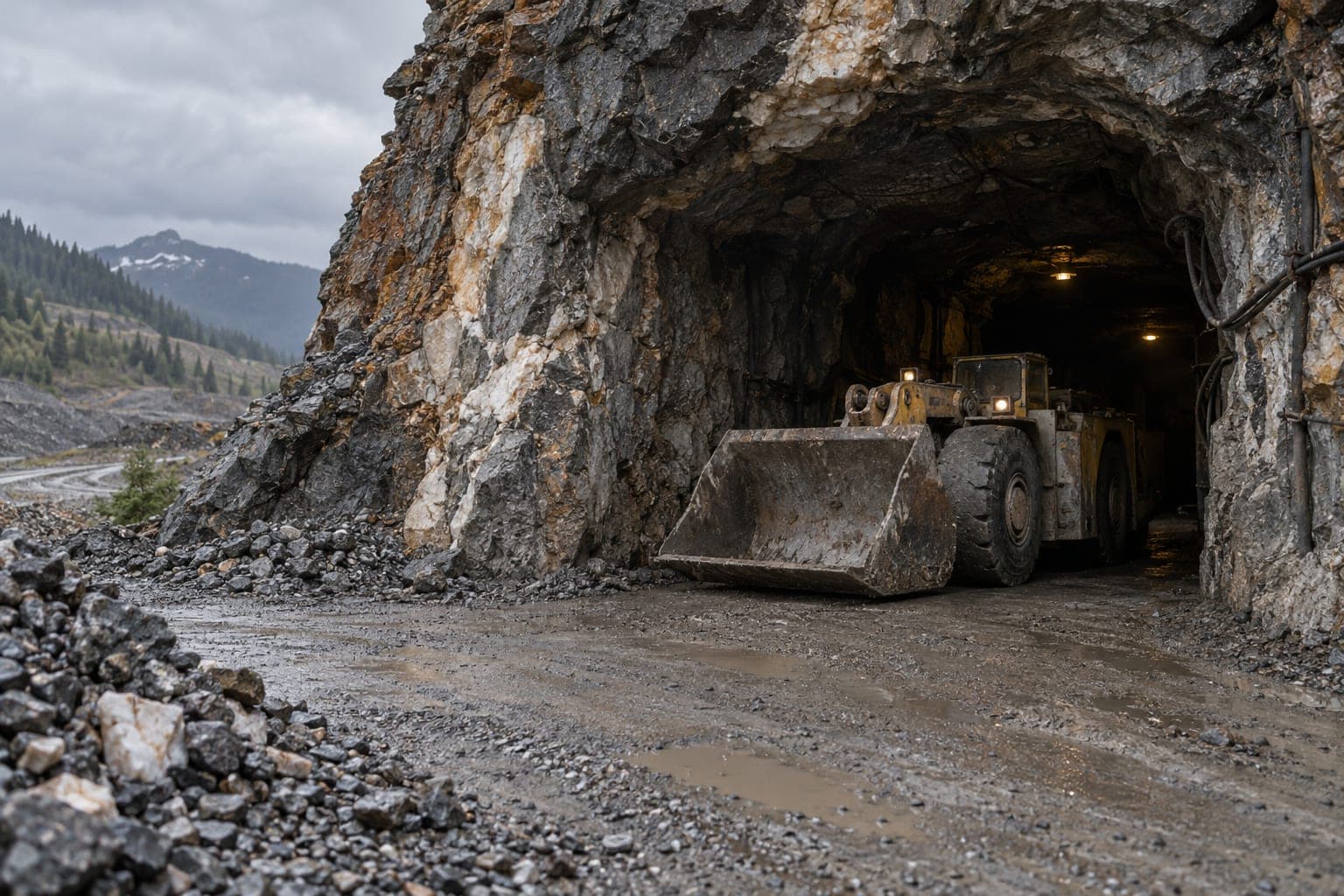
More than 2,400 ounces of gold from a new mine in northern Brazil have been sold to a domestic refinery, moving the project beyond its first pour and into reported sales. Cabral Gold Inc. CVECBR OTCMKTSCBGZF, the Vancouver junior developing the Cuiú Cuiú gold district in Pará state, said in its Sept. 30 release that the doré fetched an average net realized price above US$4,200 an ounce. Cabral still expects to declare commercial production in the fourth quarter of 2026.
Cabral shares closed at C$1.58 in Toronto at 4 p.m. EDT on Sept. 29, according to its CVECBR at that time. The sale announcement was issued at 6:29 a.m. EDT on Sept. 30, before the next Toronto session. The company did not disclose the total cash received from the sale or name the refinery in that release.
The sale confirms that Cabral has delivered doré to a buyer, but its Sept. 30 update describes a mine still being ramped up. The company said its ore preparation and stacking plant had moved to two shifts and was running around the clock, as was the wet processing circuit. Mining itself remained primarily a 12-hour operation, with previously mined ore stockpiles feeding the dry plant at night.
Cabral's immediate operating target is the 3,000-tonne-a-day stacking rate it set when it announced the first pour on Sept. 10. The Sept. 30 release gives neither a current daily stacking figure nor an updated gold recovery rate. Those measures will show whether the first shipment can become steady production before the calendar year ends.
The Sale Follows a September First Pour
The first pour on Sept. 10 produced approximately 1,130 ounces of gold, Cabral reported at the time. The more than 2,400 ounces sold in the Sept. 30 announcement is a separate figure; the company did not say how much total doré it had poured between those dates. It said the sale confirmed arrangements from mining and processing through shipment to a Brazilian refinery.
"The completion of our first gold sale is an important milestone for Cabral and marks the beginning of revenue generation from the gold-in-oxide starter operation at Cuiú Cuiú," Cabral president and chief executive Alan Carter said in the Sept. 30 release.
Cabral said commissioning was nearly complete and that the next priority was to raise daily production toward design capacity. A sale at more than US$4,200 an ounce gives the first reported realized price, but no realized operating margin: the Sept. 30 release does not disclose the period's mining, processing or shipping costs. Cabral also said construction and the commercial-production timetable remained on budget and on schedule, without providing an updated capital-spending total.
The Study Used a Lower Gold Price
The July 2025 updated prefeasibility study assumed US$2,500 gold for its base case, well below the first sale's reported net price. At that planning price, Cabral estimated an after-tax net present value of US$73.9 million and an after-tax internal rate of return of 78 per cent. The Sept. 30 realized price is a transaction figure, while the study's economic results remain projections based on its production and cost assumptions.
The same study estimated initial capital of US$37.7 million and a 6.2-year mine life. It projected 113,155 ounces of total gold output from the starter operation, with annual processing capacity of one million tonnes. Those estimates concern the oxide operation; Cabral's larger hard-rock development remains a separate proposed phase, rather than output included in the first sale.
In an Aug. 13 construction update, Cabral said it had received an operating licence from Pará's environmental agency, SEMAS/PA, and approval to use cyanide in its leaching process. It then expected the wet circuit to finish commissioning in late September. The Sept. 30 update says both processing circuits are operating around the clock, but stops short of declaring commercial production.
Year-End Throughput Will Test the Ramp
Cabral reported one lost-time injury in 664,800 hours worked by its owners' team and contractors during 2026 through the Sept. 30 update. The company said safety remained a priority as it shifted from construction into operations. The move to night processing while mining remains on a shorter schedule puts stockpile management into the ramp-up reported by the company.
B2Gold Corp. TSEBTO NYSEAMERICANBTG, the Vancouver gold producer operating the Goose mine in Nunavut, reported on Sept. 28 that mobile crushing had averaged more than 3,000 tonnes a day since mid-August after a fire damaged its fixed plant. That is crusher throughput at a different mine, while Cabral's 3,000-tonne target is ore stacking. Mugglehead's report on Goose's crusher repairs follows the separate challenge of sustaining a plant's feed rate after first production.
Read more: B2Gold Corp reports 19.12 g/t gold at Goose mine
Cabral has said it will issue formal 2027 production guidance after the Cuiú Cuiú ramp-up. Its next stated test is commercial production by the end of the fourth quarter, Dec. 31, 2026. To meet that target, the company must raise and sustain daily output toward the study's design rate; the Sept. 30 sale alone does not establish that rate.