Blue Moon Metals expands U.S. mining footprint with 33 tungsten, antimony projects
This is the first time Blue Moon has pursued antimony
 Rowan Dunne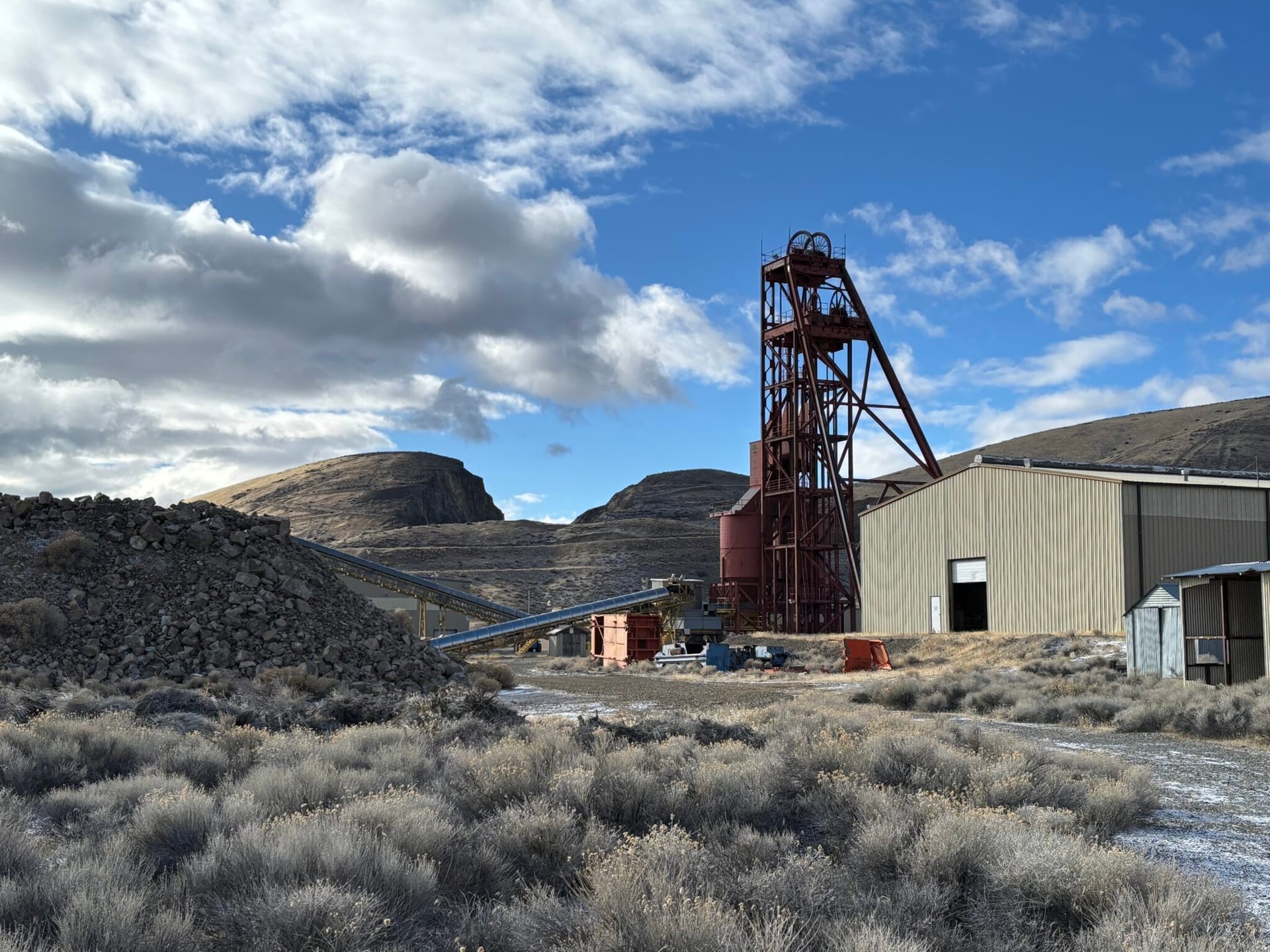
The scramble for critical minerals has turned swathes of the American West into a property market for junior explorers. Governments and manufacturers, anxious about supply chains dominated by China, have driven a wave of land acquisitions as companies race to secure domestic sources of metals essential for defence and other industries.
Blue Moon Metals Inc CVEMOON NASDAQBMM (FRA: 8SX0) is the latest. On Aug. 11, the company announced it had agreed to acquire a portfolio of 33 tungsten and antimony projects across the western United States from a private vendor for roughly US$20.5 million in cash and shares. The deal comprises 2.8 million Blue Moon shares valued at about US$15.5 million, US$5 million in cash payable in two instalments, a 1 per cent net smelter return royalty on each project, and capped milestone payments linked to future resource delineation on the tungsten assets.
The properties sit on Bureau of Land Management and U.S. Forest Service land and carry annual holding costs of roughly US$162,000. They lie near Blue Moon’s Springer tungsten complex in Nevada, one of the few processing plants of its kind in North America. Four projects — “Oregon” in Colorado, Wildhorse Canyon in Idaho, Williams in Arizona and Hub Mines in Nevada — have been flagged as priority candidates for potential direct-shipping of high-grade tungsten ore to Springer.
“None have seen modern day exploration,” said chief executive Christian Kargl-Simard.
Historical records cite production grades as high as 14.5 per cent tungsten trioxide at Oregon, though Blue Moon has noted that these figures remain unverified by a qualified person and modern exploration is limited.
The transaction marks Blue Moon’s first move into antimony. At least five of the acquired sites are past-producing or prospective high-grade antimony properties, with historical vein grades of 2 to 10 per cent stibnite reported. By securing these assets in Nevada, California, Utah and Arizona the junior has joined a growing roster of companies prospecting for the metal. These include NevGold Corp CVENAU OTCMKTSNAUFF FRA5E50 in Nevada, Locksley Resources Ltd OTCMKTSLKYRF ASXLKY FRAX5L in California and American Tungsten & Antimony Ltd (ASX: AT4) OTCMKTSATALF FRA4VZ in Utah and Arizona.
Rising defence spending, export controls from China and explicit American policy support for domestic critical mineral production underpin the surge in interest. Antimony finds use in ammunition, night-vision systems, semiconductors and flame retardants while tungsten is vital for armour-piercing munitions, cutting tools and electronics.
Tungsten prices more than doubled in 2025 and climbed sharply again in early 2026 before a correction set in. Ammonium paratungstate, the benchmark main intermediate chemical form of tungsten, rose from a few hundred dollars per metric tonne unit at the start of 2025 to peaks near or above US$3,000 before easing. It still remains well above longer-term averages though. Antimony followed a similar path, peaking near US$60,000 per tonne in mid-2025 before sliding. Current levels, while lower, stay elevated relative to historical norms.
Read more: NevGold appoints Nevada government affairs veteran Scott Bensing to board
—————————————————————
NevGold is a sponsor of Mugglehead news coverage
—————————————————————
Follow Rowan Dunne on LinkedIn
rowan@mugglehead.com