BioNTech's lung cancer drug outperforms chemo in clinical study
Results were revealed at this year's World Conference on Lung Cancer in Seoul
 Rowan Dunne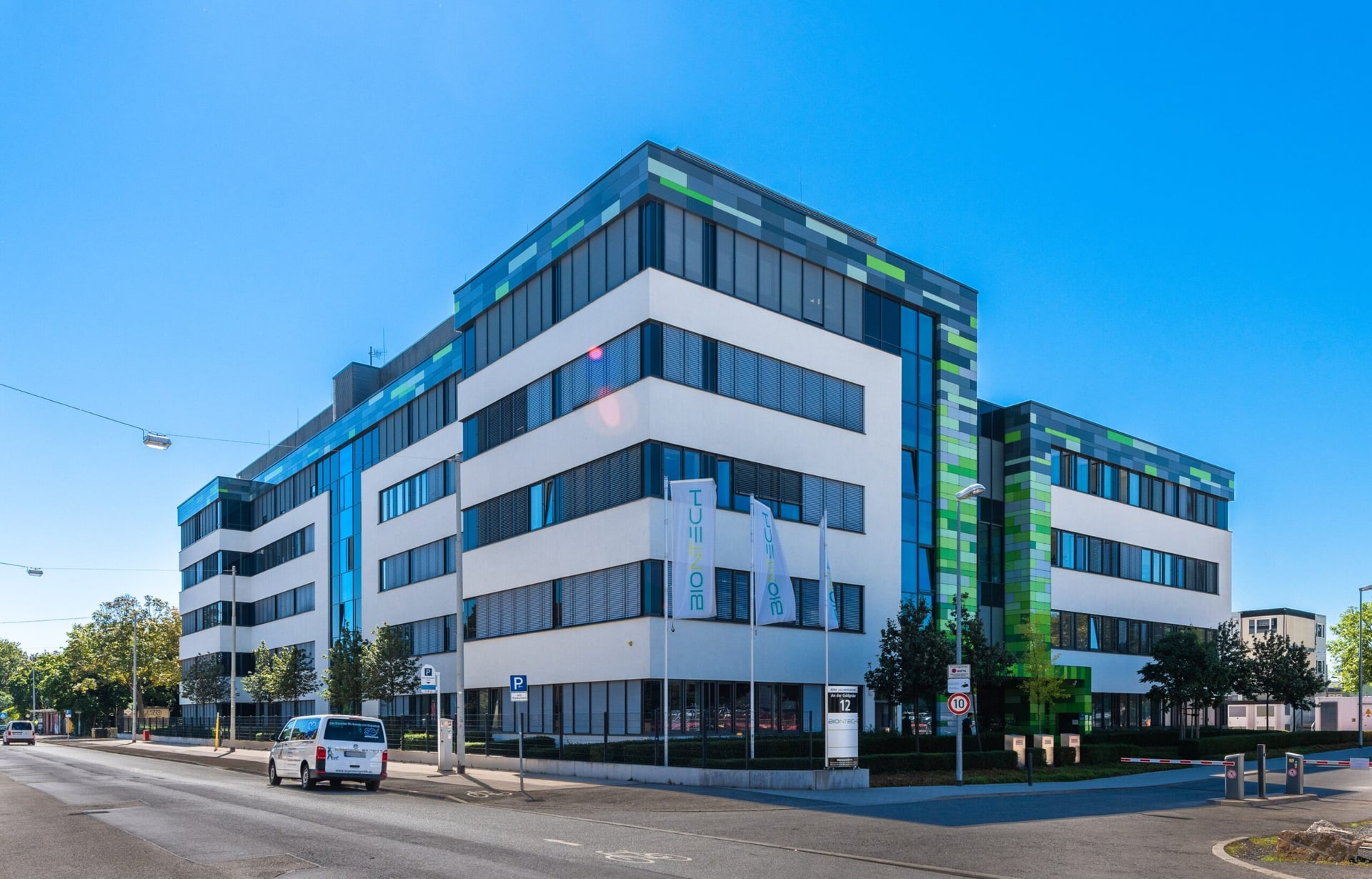
BioNTech SE ADR NASDAQBNTX FRA22UA continues to report progress on experimental drugs and vaccines aimed at treating and preventing lung cancer. The company shared a series of updates at the World Conference on Lung Cancer, held in Seoul from Sept. 12 to 15.
Updated results for the firm’s non-small cell lung cancer drug gotistobart were presented on Monday. In the first stage of a late-stage trial, patients with a form of lung cancer that had already progressed after other treatments lived a median of 18.5 months when given the drug. Those receiving standard chemotherapy lived a median of only 10 months. The findings come from a sub-group of 87 patients and showed the drug’s side effects remained manageable. BioNTech shares rose about 6 per cent in pre-market trading after the announcement.
“The magnitude of the survival benefit observed with gotistobart as a chemotherapy-free treatment approach in the PRESERVE-003 clinical trial is highly encouraging,” said Principal Investigator Rama Balaraman in a release from BioNTech. “If confirmed in the pivotal portion of the Phase 3 trial [ongoing], these findings could transform the standard of care in a setting where new therapies are urgently needed.”
At the same meeting, BioNTech presented early data on pumitamig given together with another experimental medicine. In patients with small-cell lung cancer, a more serious disease, about 70 per cent saw their tumours shrink or disappear and the combination controlled the disease in most cases. The side effects were considered manageable. The company also shared preliminary results from a small Phase I study of its lung cancer vaccine BNT116. When given before surgery along with two other medicines to patients with operable non-small cell lung cancer, the vaccine showed early signs of beneficial activity and was deemed to have an acceptable safety profile.
Other companies reported notable findings at the South Korean event as well. Summit Therapeutics Inc NASDAQSMMT and its partner presented data on ivonescimab, an intravenous infusion drug given every three weeks. In a late-stage trial, it reduced the risk of death by 27 per cent compared with a standard treatment in patients with PD-L1-positive (surface protein type) advanced non-small cell lung cancer. Median survival reached 30.8 months versus 22.6 months.
Meanwhile, GSK plc NYSEGSK shared results for risvutatug rezetecan, an antibody-drug conjugate administered by intravenous infusion every three weeks. In patients with relapsed small-cell lung cancer, it extended median survival to 18.5 months compared with 10.3 months on chemotherapy and cut the risk of death by 54 percent. Roche Holdings’ OTCMKTSRHHBY and its collaborator also reported on tambotatug pelitecan, another antibody-drug conjugate given via IV. It improved median survival to 13.3 months versus 9.4 months with standard treatment in a similar group of patients with relapsed small-cell lung cancer.
This year’s conference stood out for the volume of positive survival data from several next-gen drugs in settings where options have long been limited. Organisers noted a record number of attendees, both in person and online, making it one of the largest gatherings focused on lung cancer research to date.

👏🏽👏🏽 how about a record number year for #WCLC26 . Thanks to all the delegates attending in person and online that make this event truly one of a kind

Read more: Breath Diagnostics advances pre-op pneumonia screening with FDA breakthrough designation
Follow Rowan Dunne on LinkedIn
rowan@mugglehead.com