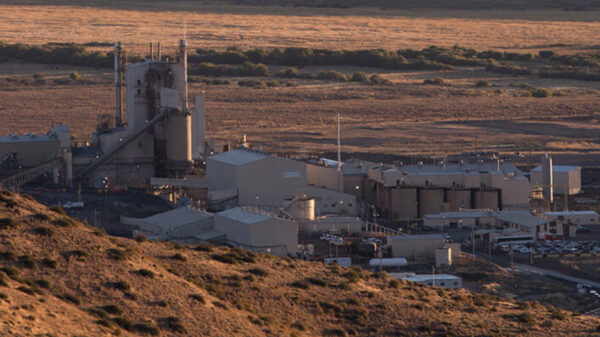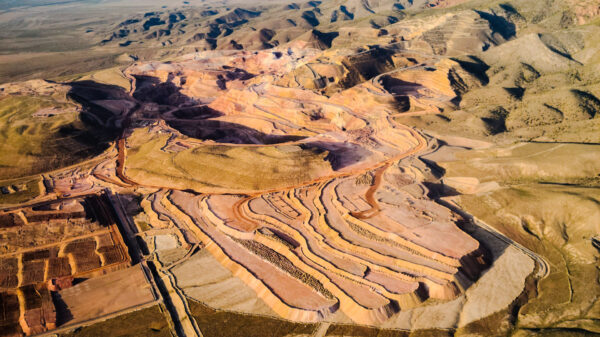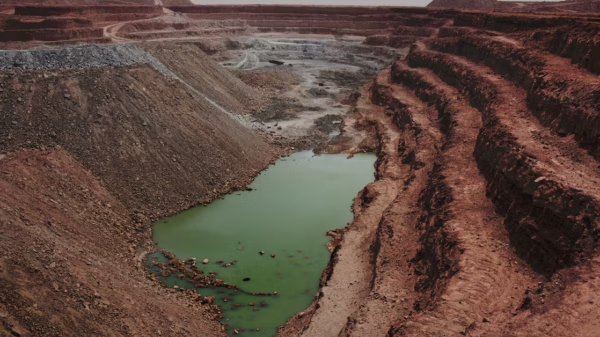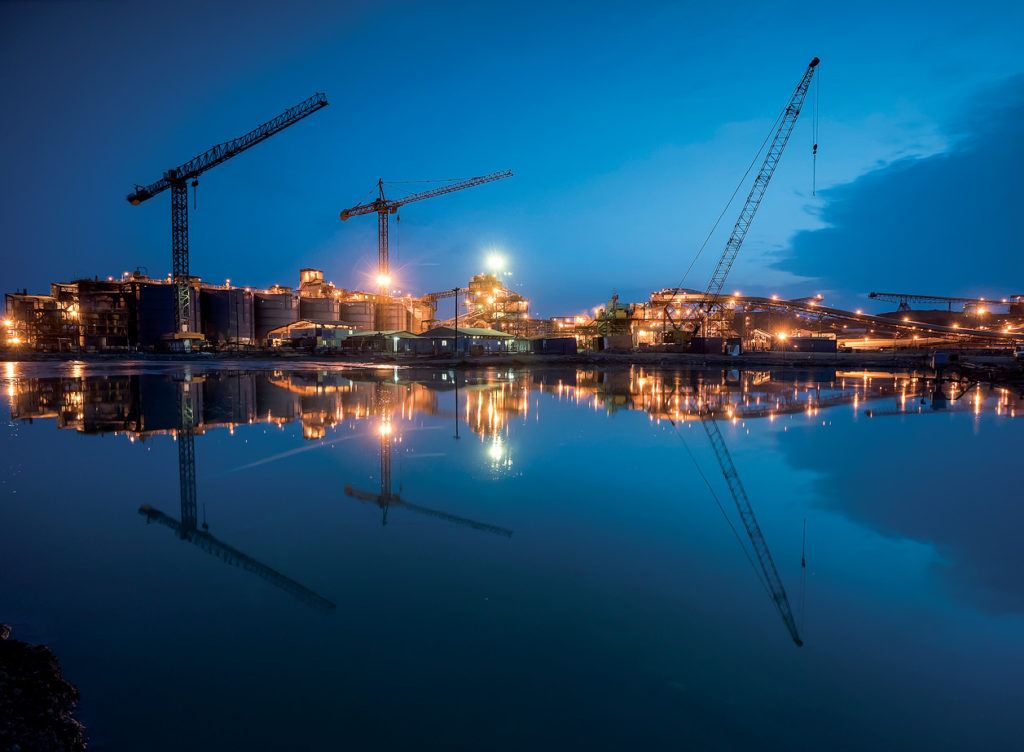

Canada’s Barrick Mining Corp (TSE: ABX) (NYSE: B) (ETR: ABR0) has formally regained operational control of its flagship gold mine in Mali, according to a company memo reviewed by Reuters.
The company will restart production gradually and prioritize mandatory safety and compliance training for employees and contractors. The memo was sent by Sebastiaan Bock, Barrick’s director of operations for Africa and the Middle East. Additionally, the phased restart is expected to limit near-term output while site readiness is restored.
The move follows a settlement reached last month between Barrick and Mali’s military-led government after nearly two years of negotiations. The dispute centered on the implementation of a revised mining code. Consequently, Barrick suspended operations at its Loulo-Gounkoto complex in January. A court-appointed provisional administrator later assumed control in June.
Barrick agreed to a settlement valued at roughly USD$430 million, according to a source familiar with the matter. However, the company has not publicly disclosed detailed payment terms. Meanwhile, the agreement cleared the way for the mine’s return to company control.
Last week, a Malian judge ordered the release of Barrick’s 3 metric tons of gold previously seized by the state. The bullion, valued near $400 million, had been confiscated by a military helicopter in January following a judicial order. Subsequently, the gold remained held at BMS Bank in Bamako for nearly a year, according to two sources.
Barrick counts Elliott Capital among its shareholders. Additionally, the miner has signaled a strategic shift toward North America. Under interim chief executive Mark Hill, Barrick plans to advance an initial public offering of its North American business. However, the company has said its Mali operations remain an important long-term asset.
Read more: NevGold delivers major growth at Idaho gold project
Read more: GoldMining chooses to retain its NevGold shares for next 18 months
The conflict stemmed from Mali’s revised mining code
A bitter standoff between Barrick and Mali’s military-led government dominated much of 2025, escalating from regulatory disputes into arrests, asset seizures, and threats of nationalization.
The conflict stemmed from Mali’s revised mining code, introduced after the 2021 coup. The government sought higher royalties, increased state participation, and tighter oversight of foreign operators. However, Barrick argued the changes violated existing agreements governing its Loulo-Gounkoto gold complex.
In January, the dispute intensified after Malian authorities suspended Barrick’s operations. Subsequently, state officials signaled that nationalization remained an option if negotiations failed. The threat rattled investors and raised concerns across West Africa’s mining sector.
Tensions escalated further when Malian authorities arrested and detained several Barrick employees, citing alleged financial and regulatory violations. Additionally, the detentions drew criticism from international mining groups, which warned of growing political risk in the country. Barrick repeatedly called for the employees’ release and denied wrongdoing.
Meanwhile, a Malian court issued an arrest order for then chief executive Mark Bristow, accusing him of failing to comply with judicial summons related to the dispute. Bristow did not travel to Mali and later stepped down as CEO amid mounting pressure, though Barrick framed his departure as part of a broader leadership transition.
In June, a court-appointed provisional administrator took control of the mine, effectively sidelining Barrick. Additionally, Malian authorities seized roughly 3 metric tons of gold from the operation, placing it in a state-controlled bank in Bamako.
Negotiations continued behind closed doors throughout the year. Consequently, both sides faced growing economic pressure as production halted and revenues stalled. By late 2025, the standoff had become one of the most closely watched resource conflicts involving a Western miner and a Sahelian state.
.