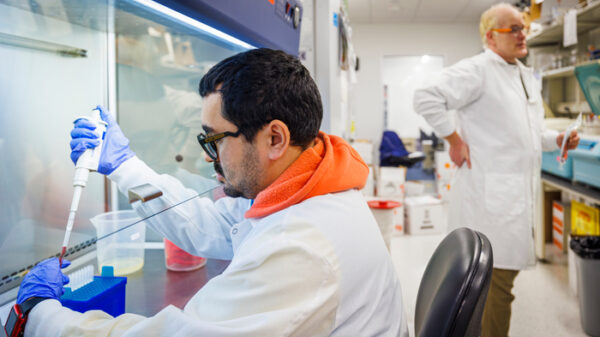

Researchers from the University of California, San Francisco (UCSF) and St. Jude Children’s Research Hospital have developed a promising new prototype breath test that can detect bacterial infections quickly and non-invasively.
Led by Kiel Neumann at St. Jude and David Wilson at UCSF, the study appeared in American Chemical Society (ACS) Central Science journal on Mar. 18.
The test works by injecting a small amount of carbon-13-labeled mannitol (a safe sugar alcohol already used in medicine) into the bloodstream. Bacteria break it down into identifiable type of carbon dioxide. This labeled gas shows up in exhaled breath and is measured with a portable device using non-dispersive infrared spectroscopy, giving results in about 10 minutes.
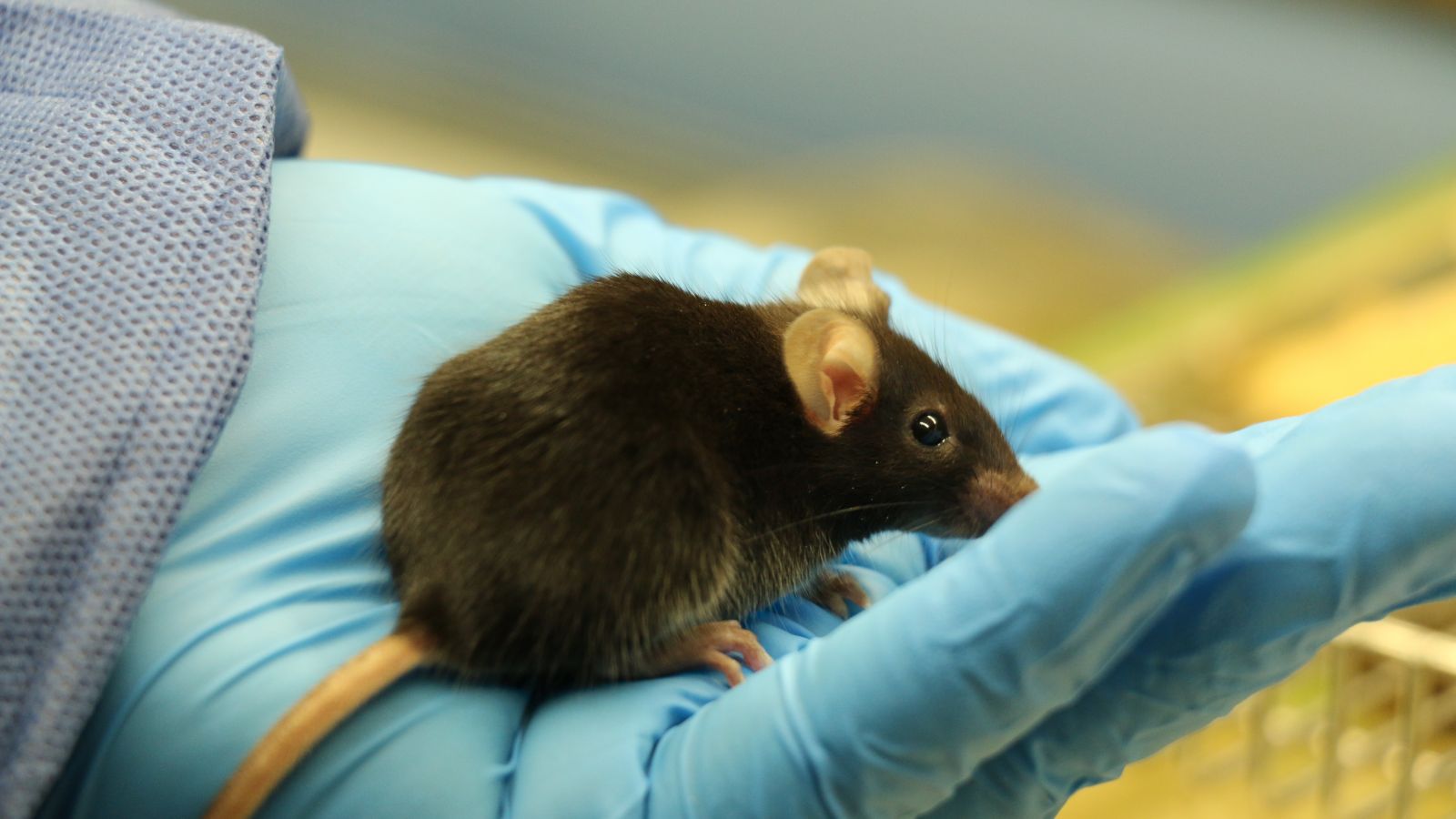
In mouse models, the test reliably identified infections such as pneumonia, bloodstream infections, muscle infections and bone infections caused by common bacteria.
It clearly distinguished infected animals from healthy ones and the signal dropped as antibiotics successfully reduced the bacterial load, suggesting it could help track treatment progress.
The key to this test’s accuracy is that human cells, and the normal bacteria living harmlessly in our bodies, mostly ignore these special carbon-13-labeled sugars or sugar alcohols. Therefore, healthy people produce almost no extra labeled carbon dioxide in their breath. Only disease-causing bacteria quickly break them down and release the detectable labeled gas.
Current methods like blood cultures often take days while blood tests can miss hidden infections, leading to overuse of broad antibiotics and rising resistance.
“We hope that this test could be a quick screening tool to know whether it’s a bacterial infection or not,” said Neumann.
How it compares to other breath tests with this purpose
This test differs from other recent efforts by focusing on bacterial metabolism rather than lung-specific markers or volatile compounds.
For example, MIT’s new PlasmoSniff sensor, announced just days earlier on Mar. 16, uses inhaled nanoparticles that release detectable biomarkers when split by pneumonia-related enzymes. This test has shown promise in mouse lung samples but is limited to respiratory infections.
The UCSF–St. Jude method stands out for its ability to detect infections anywhere in the body, its clear link to bacterial metabolism and its use of simple, affordable portable hardware. It remains pre-clinical (mice-only), while some competitors are moving toward human use.
Read more: Breath Diagnostics advances pre-op pneumonia screening with FDA breakthrough designation
Broader applications for breath analysis
Breath analysis is gaining traction for many conditions beyond infections. Volatile organic compound profiling already holds strong promise for early lung-cancer screening by detecting tumour-related metabolic changes without invasive procedures.
Breath Diagnostics’ OneBreath platform examines volatile organic compounds in a single breath to accurately identify the presence of lung cancer. OneBreath can also predict postoperative pneumonia risk in heart-surgery patients and recently earned FDA Breakthrough Device status for this indication.
On another note, Monash University is currently developing a portable silicosis breath test. This on-site device spots disease-linked chemicals in exhaled air and is currently in workplace trials for miners and construction workers. It has the potential to cut screening costs by 10–30 per cent.
Others like Penn State University have been pioneering breath testing for diagnosing diabetes.
Innovations like these point toward a future where one quick exhale could reveal insights on infections, cancer, occupational lung diseases, diabetes and more.
Read more: Prestigious medtech intelligence firm recognizes Breath Diagnostics for innovation
Follow Rowan Dunne on LinkedIn
rowan@mugglehead.com