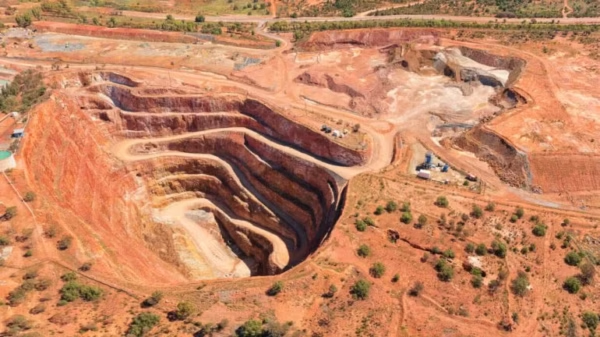

Argentina’s San Juan province aims to become a major copper exporter by 2035, targeting annual shipments worth between USD$15 billion and USD$20 billion, a provincial official said.
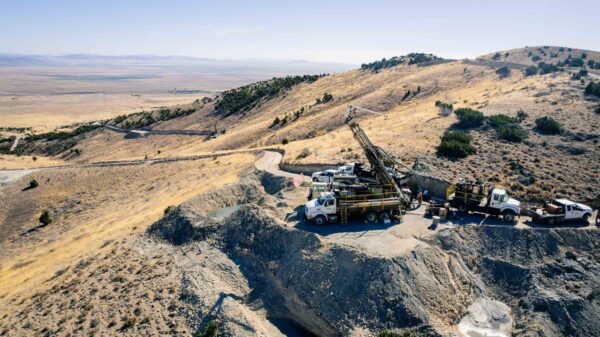
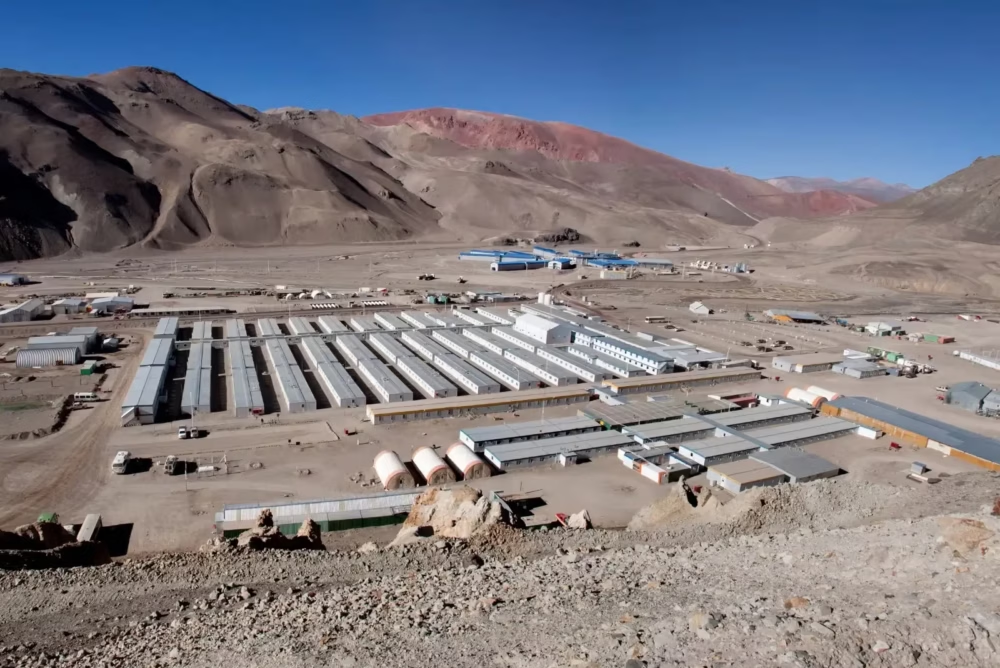
San Juan, located in the Andes near Chile, currently produces no copper but hosts four major projects. These include Vicuña, Los Azules, El Pachón and Altar. Additionally, the province expects two of those projects to begin production around 2030.
Vicuña is a joint venture between BHP Group Ltd. (NYSE: BHP) and Lundin Mining Corporation (TSE: LUN) (OTCMKTS: LUNMF). Los Azules is controlled by McEwen Mining Inc. (NYSE: MUX) (TSE: MUX) through its McEwen Copper unit. Meanwhile, El Pachón belongs to Glencore plc (LSE: GLEN), and Altar is owned by Aldebaran Resources Inc. (CVE: ALDE).
San Juan’s production minister Gustavo Gonzalez said the province holds about 80 per cent of Argentina’s future copper supply. In addition, he estimated total investment across the four projects at roughly USD$32 billion.
The province aims to produce 1.2 million tonnes of copper annually by 2035. Consequently, officials expect export values to reach the projected USD$15 billion to USD$20 billion range.
Gonzalez told Reuters that export potential could scale significantly once projects reach full capacity. He framed the output as a major shift for Argentina’s mining sector. Argentina has not produced copper since 2018. However, the country still hosts several large undeveloped deposits.
In 2025, Argentina generated USD$6.04 billion in mining exports, driven mainly by gold and lithium. Meanwhile, San Juan alone reported USD$2.2 billion in exports, with mining contributing USD$1.7 billion.
Read more: Vale to invest USD$3.5B in Carajás copper projects through 2030
Read more: CopperTech deploys AI and space-enabled seismic tools at Zambia’s Konkola mine
Infrastructure remains key challenge for development
Vicuña plans to invest about USD$18 billion into copper, gold and silver operations. Additionally, the project expects to produce about 395,000 tonnes of copper annually over 25 years. It also forecasts 711,000 ounces of gold and 22.2 million ounces of silver each year. Furthermore, officials see strong employment growth tied to the projects.
Gonzalez said the developments could add roughly 70,000 jobs over the next decade. Consequently, the province’s formal workforce could nearly double from current levels. However, infrastructure remains a key challenge for development. Projects must address road access and power supply needs. Meanwhile, the provincial government plans to manage housing demand tied to workforce expansion. Separately, broader market dynamics continue to shape the outlook for copper alongside regional developments.
The copper market is tightening structurally, with demand rising faster than supply and geopolitical risks adding volatility. Global demand is expected to grow sharply through 2035, driven by electrification, AI infrastructure and grid expansion, while China alone accounts for roughly 60 per cent of consumption.
On the supply side, development delays and declining ore grades are constraining output, with many projects stalled by environmental and social opposition. Meanwhile, Chile—the world’s largest producer—is seeing output declines, exposing fragility in global supply chains.
Geopolitically, copper is increasingly strategic. Trade tensions, including potential U.S. tariffs, and China’s dominance in processing are shaping pricing and supply flows. Additionally, Latin America is becoming a focal point for new supply, with Argentina and Peru attracting investment as companies seek diversification.
Short term, prices have pulled back due to higher inventories and a stronger U.S. dollar. However, the broader trend still points toward deficits later this decade as demand outpaces new mine supply.
.