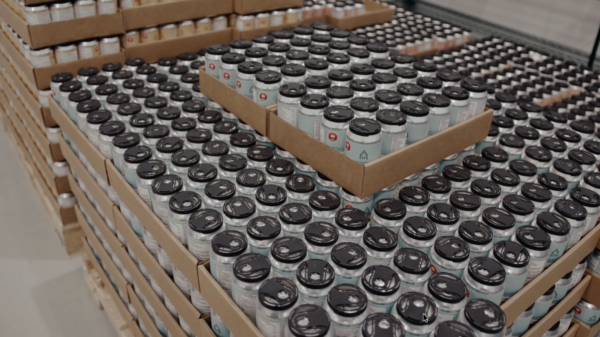
The United States Drug Enforcement Administration has agreed to substantially increase the quantity of psychedelic drugs it will have produced this year to keep up with national research requirements.
In a notice published in the federal register early this week, the agency boosted its production quotas for natural psychedelics dimethyltryptamine (DMT), psilocybin and psilocin by 25 per cent, 67 per cent and 122 per cent respectively.
The DEA is aiming to have authorized manufacturers produce 25,000 grams of DMT, 50,000 grams of psilocybin and 80,000 grams of psilocin.
Dimethyltryptamine is a powerful natural psychedelic compound found in high concentrations within certain plants and toad species. It has garnered attention because of its potential treatment applications for mental health and substance abuse disorders. The University of California, San Diego (UCSD), is currently one of the leading American influences in DMT research. It has its own specialized division dedicated to studying the mysterious psychoactive compound.
Psilocybin and psilocin are the psychedelic substances contained within several psilocybe species of “magic” mushrooms. Psilocybin gets converted into psilocin in the body when ingested. The latter compound is responsible for its extraordinary effects and alteration of consciousness.
These natural drugs are the most extensively studied. Psilocybin, in particular, has received breakthrough therapy status from the U.S. FDA for its proven ability to combat depression. It is also being investigated as a promising treatment for concussions and traumatic brain injuries.
“The Administrator establishes the 2026 aggregate production quotas for dimethyltryptamine, psilocybin, and psilocyn [or psilocin] at higher levels than were proposed [in November],” the notice said.
A draft proposal two months ago requested significantly smaller quantities of the compounds than the finalized quotas. These increases are a reflection of the DEA’s response to growing demand from researchers and manufacturers.
It marks a continued upward trend in psychedelic research supply. Psilocybin quotas have risen from a mere 30 grams in 2020 to the immensely larger quantity specified. Furthermore, DMT has gone from the low thousands at the beginning of the decade to 25,000. These massive increases underscore the federal support for expanding clinical trials to address mental health conditions in the United States.
At UCSD’s dedicated DMT research division, investigators are exploring extended-state protocols and neuroimaging to better understand its rapid, profound effects on consciousness and possible benefits for depression and addiction. Meanwhile, psilocybin’s FDA breakthrough therapy designations have accelerated multi-site trials targeting treatment-resistant depression, PTSD, and emerging applications like traumatic brain injury recovery, where psilocin — the active compound — plays a central role in inducing neuroplasticity and emotional processing.
These quota hikes ensure sufficient material for rigorous, DEA-approved studies amid a renaissance in psychedelic science within the country.
𝗕𝗥𝗘𝗔𝗞𝗜𝗡𝗚 🚨 The DEA just released their 2026 production quotas for legal psychedelics.
And looking at the numbers —
We might be on the verge of the biggest boom in psychedelic research history 🧵 pic.twitter.com/kvYnQ6jAvi
— Paul Brown (@0xQuasark) January 5, 2026
Read more: Veterans and psychedelic therapy advocates back Freedom to Heal Act
Follow Rowan Dunne on LinkedIn
rowan@mugglehead.com