American Battery Technology Company receives licence for up to US$100M in black-mass exports
Commerce's Bureau of Industry and Security authorised sales under specified terms; the company did not name an export buyer or shipment date.
 Ines Halvorsen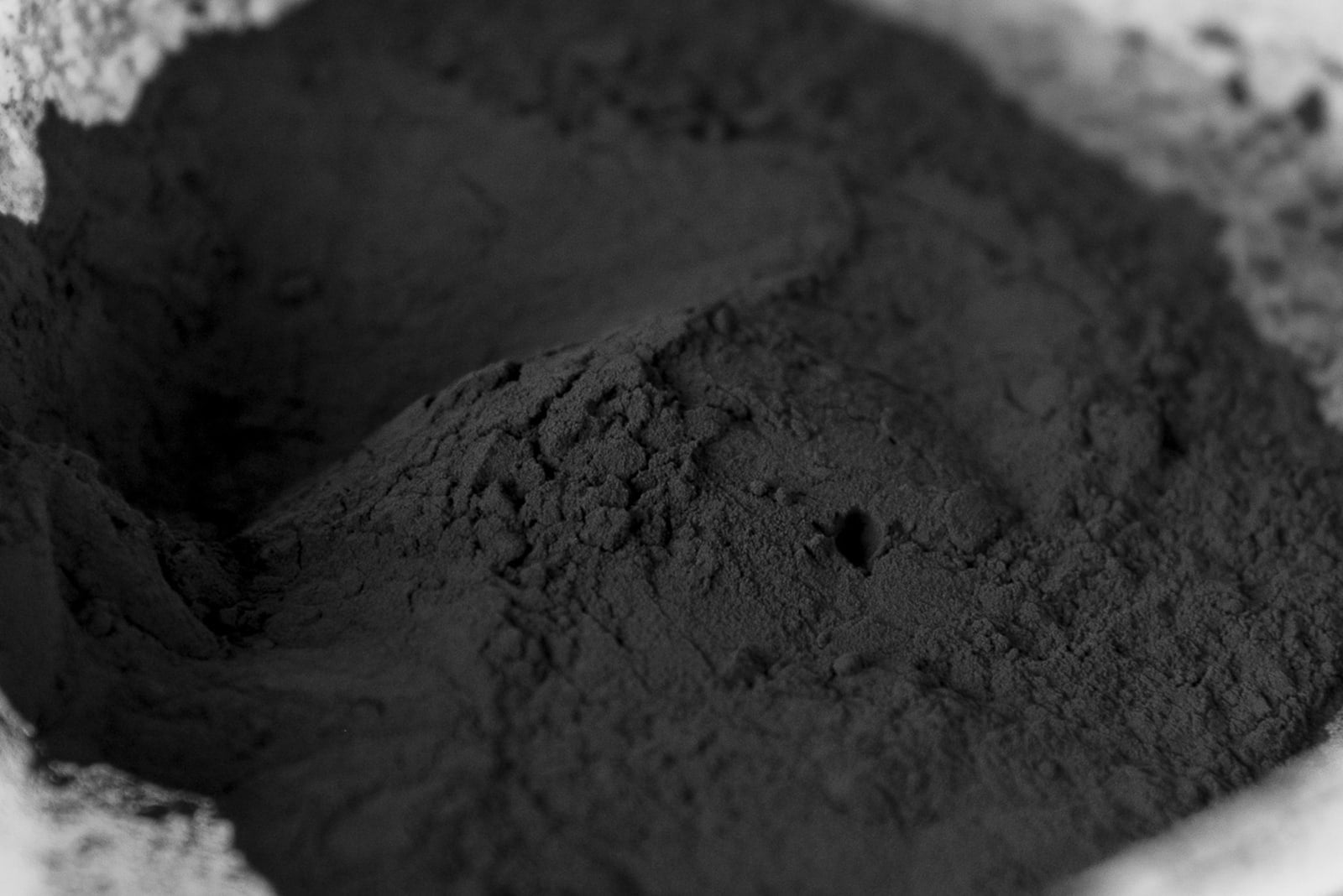
On Oct. 1, American Battery Technology Company NASDAQABAT announced it had received a U.S. Commerce licence covering up to US$100 million in recycled black-mass export sales. The approved ceiling exceeds the US$21.7 million of revenue the company reported for its fiscal year ended June 30, 2026, but the licence is not a purchase order. The Oct. 1 announcement names the U.S. Commerce Department's Bureau of Industry and Security as the issuer; it identifies no export buyer, contract term or shipment date.
The company's GlobeNewswire copy appeared at 6 a.m. EDT on Oct. 1, ahead of the regular Nasdaq session. The previous close could not measure a share reaction to the licence.
The Reno, Nevada, company recycles spent batteries and manufacturing scrap at its first commercial plant, which began operating in 2023, according to the Oct. 1 release. It produces copper, aluminum, steel, lithium-rich intermediates and black mass. The black mass contains lithium, nickel, cobalt, manganese and graphite for further refining.
The company's Sept. 14 results put the first facility's processing design at 20,000 tonnes a year, while reporting US$24.8 million in fiscal 2026 cost of goods sold. Against US$21.7 million in revenue, that left a US$3.1 million GAAP gross loss. The same report showed US$1.7 million in adjusted gross profit after excluding depreciation and stock-based compensation.
The company held US$49.5 million in cash and reported no outstanding debt at June 30, according to those results. A licensed export shipment would give investors a dated sale to compare with the US$100 million authorisation, but the Oct. 1 release supplies no shipment schedule.
Licence Terms and Export Volumes Remain Undisclosed
The company described the permission as a Defense Priorities and Allocation System licence to sell exported recycled black mass under specified terms. Its Oct. 1 release links the decision to recently enacted federal export controls on critical battery materials. It does not disclose the licence's expiry, permitted tonnage, destinations or sale price per tonne.
"The ability to continue selling exported recycled black mass critical minerals supports current operations, strengthens the company's market position, and further enhances its ability to capitalize on growing demand for critical minerals across global supply chains," the company said in its Oct. 1 release.
Those annual sales include more than black mass: the company also reports revenue from recycled products and byproducts. The Oct. 1 announcement gave no revenue forecast for exports under the licence. The US$100 million is a regulatory sales ceiling, not a projection of black-mass revenue.
The Sept. 14 results said the company was developing a second recycling facility designed to handle about 100,000 tonnes of battery material a year. Chief executive Ryan Melsert said in the Oct. 1 release that the facility is supported by US$150 million in competitive U.S. Department of Energy grants. The Oct. 1 announcement does not set a commissioning date for that proposed capacity; the grants are separate from any black-mass export sales.
Read more: E3 Lithium says Clearwater engineering advances toward completion in 2027
The first export order or shipment under the licence announced on Oct. 1 is the next test of its commercial value. The company has given no date for either, leaving the announced US$100 million as a ceiling until sales are disclosed.