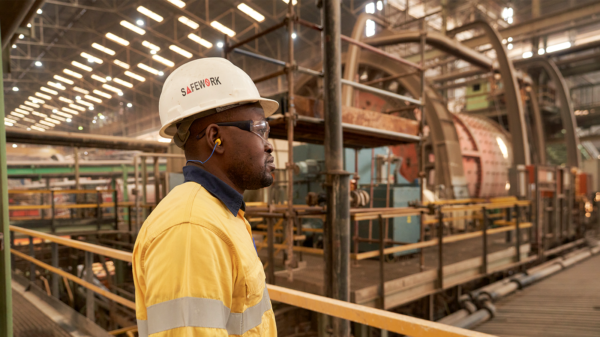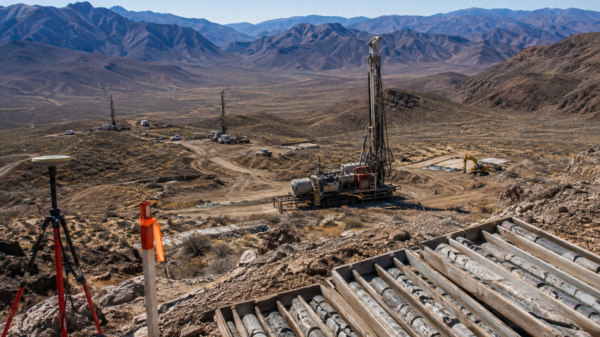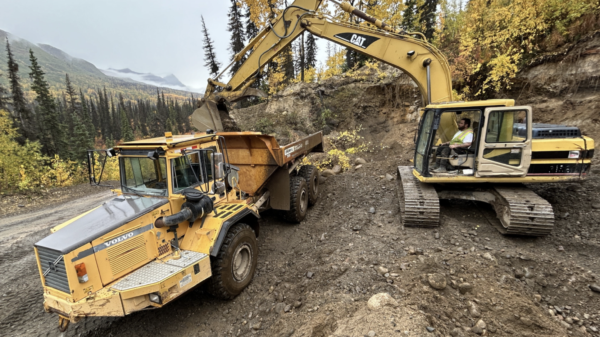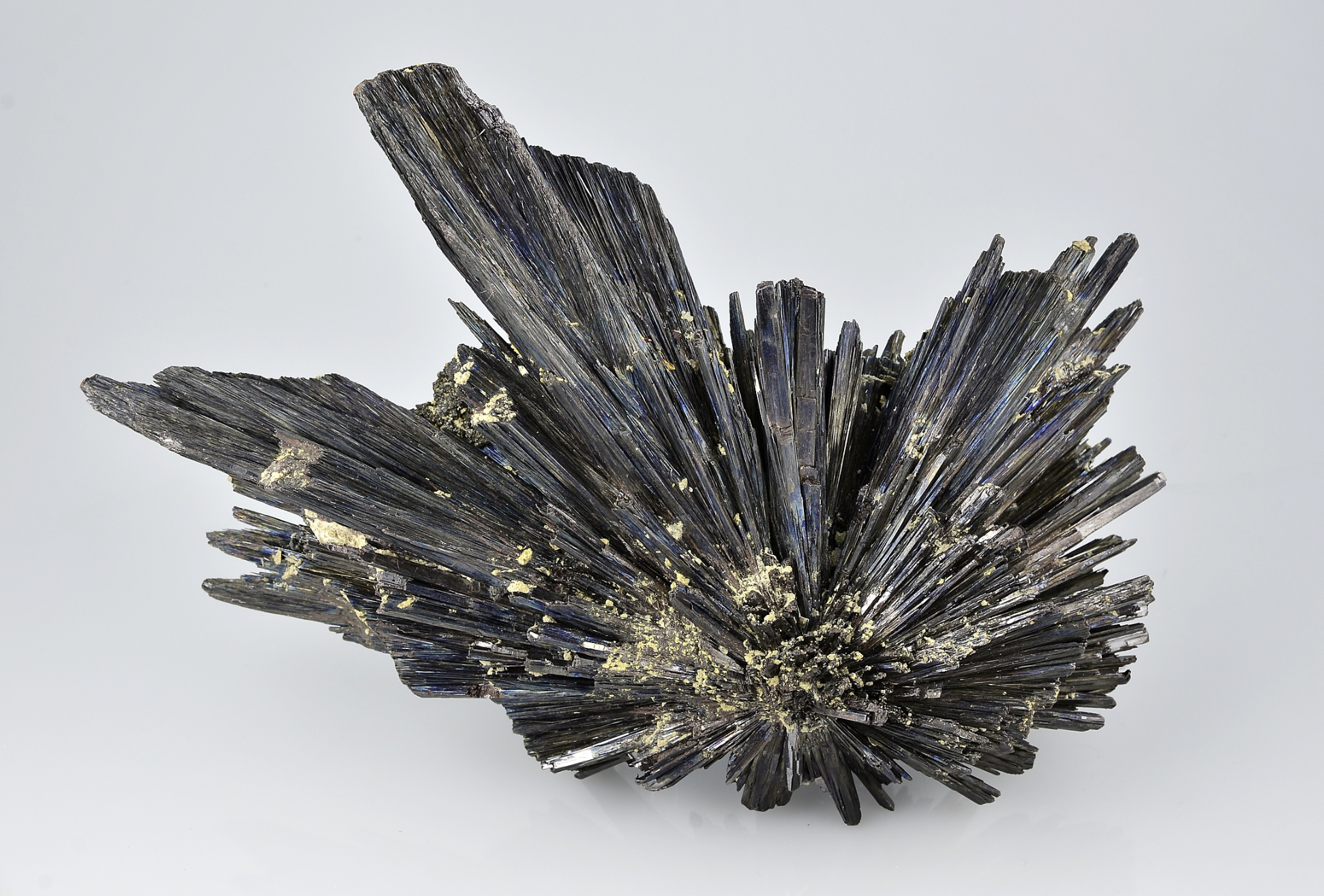

Zimbabwe, long overshadowed on the global mining stage, is pushing hard to extract greater economic muscle from its underground resources by building domestic processing capacity rather than simply shipping raw materials abroad.
This shift gained public attention on Sept. 8 when Bloomberg reported that Zimbabwe had banned exports of antimony and tungsten with immediate effect. The news organisation revealed a letter dated Jul. 21 from Secretary for Mines Thomas Wushe to the state-owned Minerals Marketing Corporation of Zimbabwe, which the Ministry of Mines later confirmed.
Bloomberg noted that shipments of ores and concentrates had also been suspended as part of government efforts to force mining companies to refine more materials locally. Mining Zimbabwe published the directive’s precise wording:
“The Ministry of Mines and Mining Development hereby directs the Minerals Marketing Corporation of Zimbabwe to suspend, with immediate effect and until further notice, the export of antimony and tungsten in all forms,” it read, “including ores and concentrates.”
The letter further stated that the order had been “issued in the national interest and is consistent with Government’s policy thrust on in-country value addition and beneficiation of Zimbabwe’s mineral resources.” It should be noted, however, that Zimbabwe has not named a domestic antimony or tungsten smelter ready to take local concentrates, so the ban stops raw exports more clearly than it creates near-term local metal or chemical products.
The move follows earlier lithium concentrate restrictions and mirrors similar steps by other African producers seeking greater control over their critical minerals.
After seeing lithium sales value soar by an incredible 413% to over US$1.24 billion, the government has ordered the immediate suspension of all exports of antimony and tungsten.
Doubling down on this success under the National Development Strategy (NDS2) framework, the Ministry… pic.twitter.com/i5ddlXUqQ5
— Shumbakadzi👑 (@shumbakadzi_zim) September 8, 2026
Read more: NevGold adds new CFO ahead of Limousine Butte engineering study
Elevated prices elevate stakes
Chinese export controls and licensing restrictions have driven antimony and tungsten prices sharply higher in recent years, turning even modest producers into more significant economic players. Antimony prices soared after Beijing’s restrictions, rising from around US$1,400 per tonne to peaks near US$38,000 before partial corrections.
Chinese ingot prices recently held above 100,000 yuan (US$14,900) per tonne while Western markets command substantial premiums. Tungsten ammonium paratungstate export prices remain elevated, having climbed more than 600 per cent year-over-year to levels around US$2,925 per metric tonne unit — well above historical norms near US$400 despite recent volatility.
Zimbabwe’s output stays limited compared with major producers, but the high-price environment has amplified its importance. Antimony and tungsten often occur alongside gold mineralisation in the country’s greenstone belts and coincide with gold mining — the nation’s largest export earner.
Self-reliance ambitions also persist in North America
Zimbabwe’s drive for greater control over these commodities unfolds as the United States accelerates its own efforts to reduce import dependence. Millions of dollars flow into domestic projects such as Perpetua Resources Corp‘s (TSE: PPTA) (NASDAQ: PPTA) Stibnite gold-antimony operation in Idaho, where construction advances with substantial government backing; and Nova Minerals Ltd‘s (NYSEAMERICAN: NVA) (FRA: QM3) (ASX: NVA) Estelle site in Alaska. In addition, United States Antimony Corp (NYSE: UAMY) is expanding refining infrastructure with federal backing while ramping up extraction at its own sites.
Only a handful of operations currently produce modest volumes, including US Antimony’s Stibnite Hill property in Montana and Americas Gold and Silver Corporation‘s (TSE: USA) (NYSEAMERICAN: USAS) (FRA: SZ71) Galena Complex in Idaho. Others advance toward near-term production, like NevGold Corp‘s (CVE: NAU) (OTCMKTS: NAUFF) (FRA: 5E50) Limousine Butte project in Nevada, which has defined a gold-antimony resource and is evaluating early recovery options from historical material.
Both nations recognise that controlling processing, not merely extraction, determines true strategic and economic gains.
Read more: NevGold files technical report backing Limousine Butte gold-antimony resource
NevGold is a sponsor of Mugglehead news coverage
Follow Rowan Dunne on LinkedIn
rowan@mugglehead.com