
Google’s latest smartwatch is pushing wearable technology further into health monitoring, tracking changes associated with blood pressure, insulin resistance and breathing.
Alphabet Inc. (NASDAQ: GOOGL) unveiled the Pixel Watch 5 on August 12 with a new suite of “Health Guardian” features.
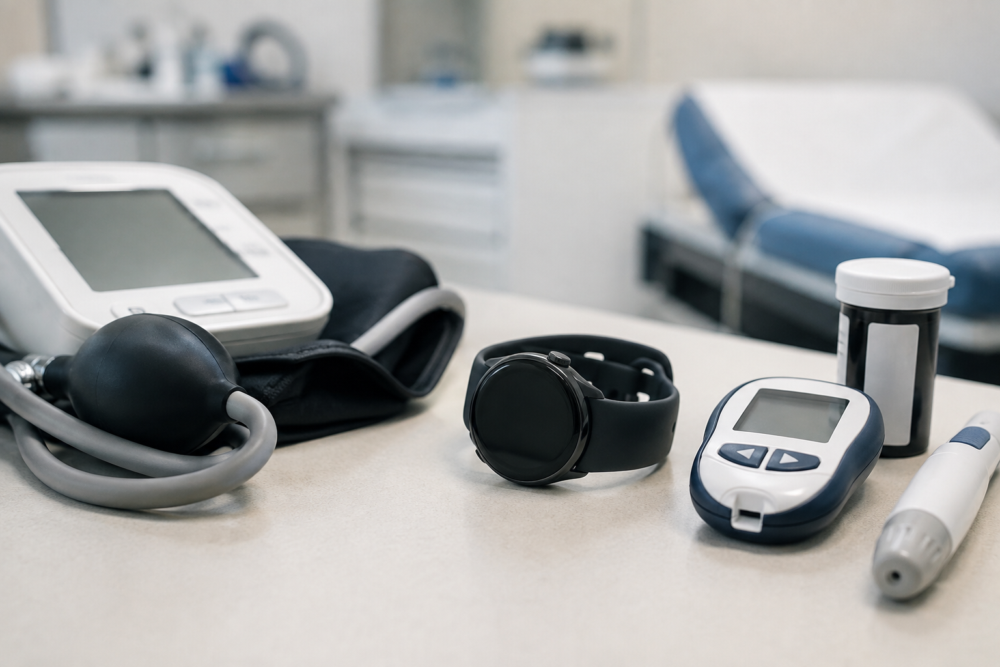
The watch will provide monthly summaries covering blood pressure trends, insulin resistance trends and sleep breathing quality. Additionally, Google designed the tools to monitor physiological changes over time rather than replace conventional medical tests.
Google says researchers trained the underlying models using billions of minutes of sensor data from users who joined its research programs. The company also compared results against clinical reference measurements to determine whether its models could reliably identify physiological patterns. However, the features do not turn the Pixel Watch 5 into a blood-pressure cuff, glucose monitor or diagnostic device.
The new Insulin Resistance Trends feature examines several weeks of physiological data for changes associated with metabolic health. It does not directly measure blood glucose or screen users for diabetes. Instead, the software searches for longer-term patterns that may indicate changes in how the body responds to insulin. Consequently, users receive trend information without providing blood samples or wearing a continuous glucose monitor.
Blood Pressure Trends takes a similar approach by searching for persistent changes in a user’s cardiovascular patterns over time. The feature does not display conventional systolic and diastolic readings, such as 120/80 millimetres of mercury. Furthermore, Google warns users not to adjust medication or manage hypertension using information from the watch.
Both features occupy a middle ground between conventional fitness tracking and medical testing, where software identifies changes without diagnosing their cause.
Read more: Wearable Devices neural tech turns muscle activity into data
Read more: Whoop on the FDA hot seat for not following marketing rules
Google has added multiple new options to smartwatch
In practice, the watch could identify a shift that encourages someone to seek conventional testing from a healthcare professional. However, doctors would still need established medical equipment to determine whether that change represents a health problem.
Modern smartwatches can perform this analysis because manufacturers have packed several miniature sensors into devices worn continuously on the wrist. Photoplethysmography, commonly called PPG, shines light into the skin to detect changes in blood volume beneath its surface. Smartwatches already use those signals to calculate heart rate. In addition, accelerometers track movement while other sensors can monitor skin temperature, blood oxygen patterns and electrical activity from the heart.
Machine learning allows Google to combine those different signals instead of relying on one measurement at a particular moment. The software can examine information collected across days or weeks and search for patterns that users would struggle to notice themselves. Consequently, the watch functions less like a single measuring instrument and more like a system for observing physiological trends.
Google has also added Breathing Emergency Detection to the Pixel Watch 5. The system combines PPG, accelerometer and barometer data with on-device artificial intelligence to watch for severe, sustained declines in oxygen saturation. If it detects a possible respiratory emergency while the wearer is unconscious, the watch may contact emergency services. Additionally, the device can transmit the wearer’s location to help emergency responders find them.
Read more: Wearable technology market set to double by 2030 as AI and health tracking drive adoption
Read more: Wearable Devices neural tech turns muscle activity into data
Over half of Wear OS users wear devices every day
The breathing feature will initially launch in selected European markets. However, Google says it cannot identify every respiratory emergency and should not replace prescribed oxygen-monitoring equipment. The technology was designed to detect severe and sustained oxygen declines rather than ordinary short-term fluctuations that may occur during daily life.
Wearables offer a different model from traditional healthcare, which often relies on measurements collected during individual appointments or laboratory visits. A blood-pressure reading or laboratory test provides information about a particular point in time. Meanwhile, a smartwatch can gather physiological information throughout much of the day, creating a longer record between visits to healthcare professionals.
Google said in June that more than half of Wear OS users wear their devices every day. Its most active users also keep their watches on for more than 23 hours daily. That level of use gives software considerably more information for detecting gradual changes than occasional measurements can provide.
The growing role of software may prove as important as improvements to the individual sensors inside wearable devices. Additionally, machine-learning systems can combine multiple signals, establish personal baselines and search for departures from a user’s normal physiological patterns.
The Pixel Watch 5 starts at USD$399 and goes on sale August 20. Consequently, consumers will soon have access to health-monitoring technology that moves beyond conventional step counting and workout tracking.
The global wearable medical devices market could grow rapidly as manufacturers add more sophisticated health-monitoring technology. Fortune Business Insights values the market at USD$117.41 billion in 2026 and expects it to expand at a 20 per cent compound annual rate through 2034. At that pace, the market would reach approximately USD$169 billion by 2028.
.