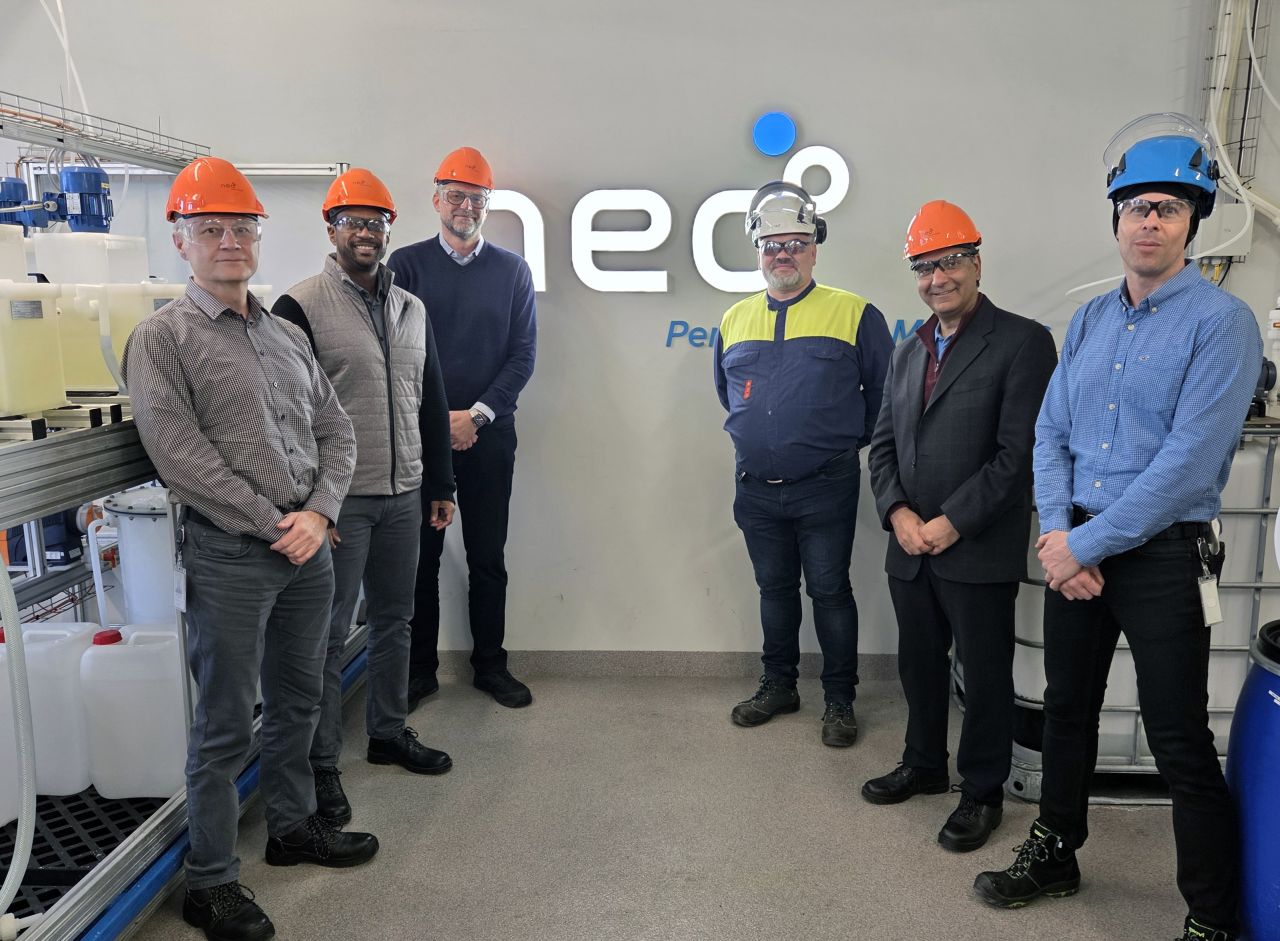

Neo Performance Materials Inc (TSE: NEO) (OTCMKTS: NOPMF) (FRA: N14) has begun producing heavy rare earths in Estonia after commissioning a separation production line at its Silmet facility.
As of Apr. 10, workers are now extracting and separating terbium and dysprosium from mixed rare earth carbonate feedstock.
These metals serve as key ingredients for high-performance magnets. The milestone marks the first time that this entire process is happening inside Europe at this scale.
The line is now running at full nameplate capacity while the team continues to fine-tune product purity before full routine output.
Heavy rare earths add heat resistance and strength to magnets that power electric vehicle motors, wind turbines, robots and industrial equipment. Engineers add small amounts of dysprosium and terbium to raise the magnets’ coercivity, which lets them keep a strong magnetic field even when temperatures climb inside motors and generators.
The move marks a concrete step toward reducing heavy reliance on processing completed outside of the continent.
Read more: NevGold reports over 93 per cent gold recovery after antimony processing at Limousine Butte
Achievement complements opening of Neo’s magnet plant
This milestone ties directly into the recent opening of the company’s rare earth magnet plant in Narva, Estonia. Both operations are now active and only a short drive apart.
That facility, which opened its doors in September, is currently producing sintered neodymium-iron-boron magnets at a rate of 2,000 tonnes per year. It already supplies parts for electric vehicles and offshore wind turbines across Europe. Dysprosium and terbium from the Silmet separation line are set to strengthen those magnets so they perform reliably under high heat and stress.
Raw materials arrive from sources such as Australia, undergo separation at Silmet, convert to metals, and then turn into finished magnets at the Narva complex. These operational synergies have positioned the company to support Europe’s shift to electric transport and renewable energy without waiting for shipments from distant processors.
Neo’s financial position leveraged but stable
The rare earths processor reported a net loss of US$15.6 million or 38 cents per share in the fourth quarter of 2025. Revenue came in at US$120.3 million with adjusted EBITDA sitting at US$20.4 million.
For the full year of 2025, the company recorded revenue of US$478.8 million and adjusted EBITDA of US$75.6 million, along with an overall net loss of US$10 million.
The company’s Magnequench segment, which makes magnetic powders and bonded magnets, delivered record shipments and contributed US$28.4 million in adjusted EBITDA for the year.
Neo continues to invest in its Estonia operations, including the new heavy rare earth separation line at Silmet and the magnet plant ramp-up in Narva. These projects remain in early stages as the company moves into 2026.
Neo currently carries US$101.8 million in debt against only US$38.4 million in cash, resulting in net debt of about US$63 million. Nonetheless, the firm continues to demonstrate earnings resilience backed by strong segment performance and adequate liquidity for its ongoing projects.
Read more: NevGold reports high-grade antimony-gold hits as Limo Butte resource estimate nears
Follow Rowan Dunne on LinkedIn
rowan@mugglehead.com