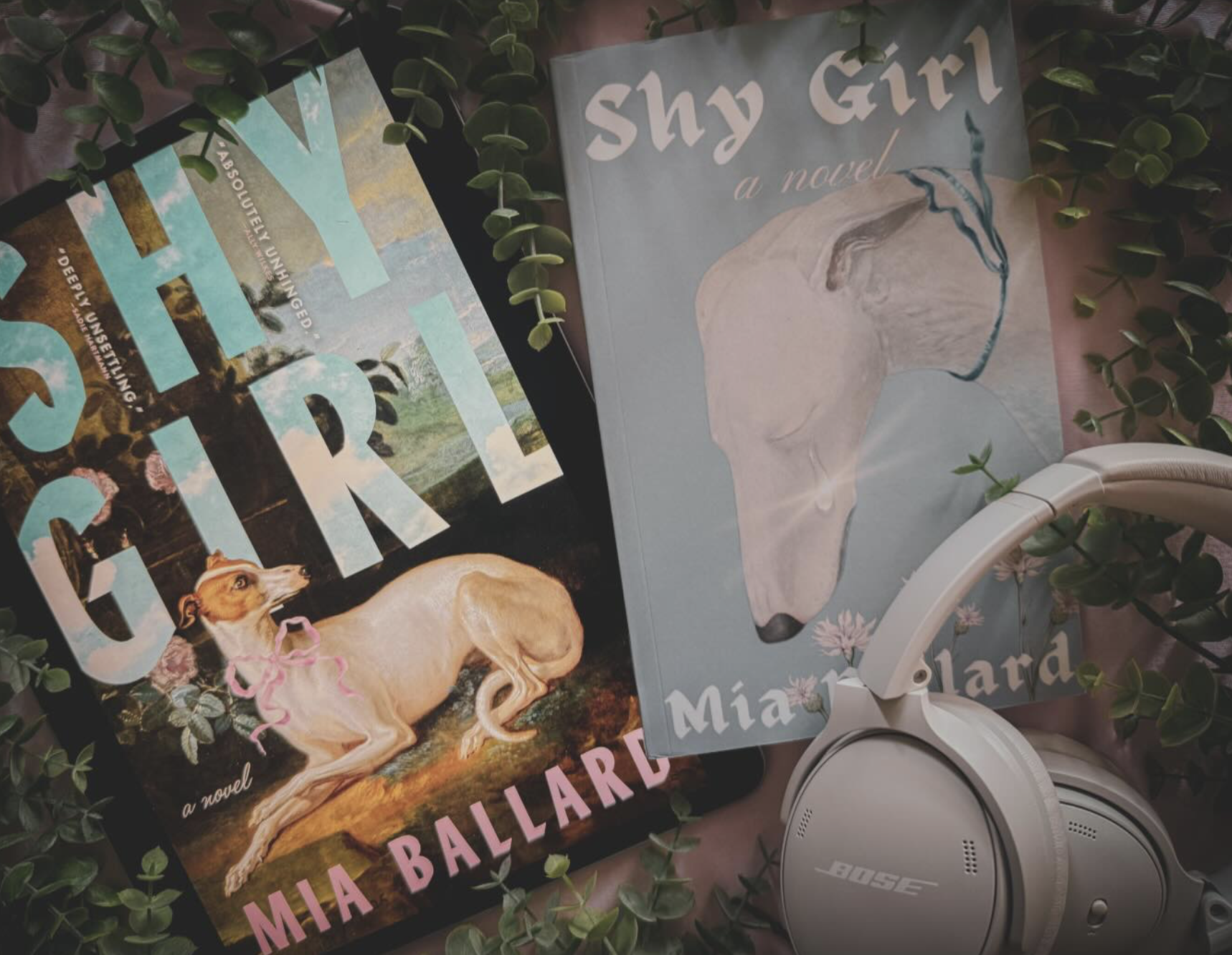

Major American publisher Hachette Book Group recently pulled Mia Ballard’s horror novel Shy Girl from publication after strong evidence emerged that large portions of the text were generated by artificial intelligence.
Hachette stopped the planned U.S. spring 2026 release under its Orbit imprint/label and withdrew the existing U.K. edition that had already reached shelves. The publisher also removed the book from Amazon, its own website and any other distribution channels.
This action represents the first time a major commercial publisher has canceled an acquired title specifically because of suspected AI use.
The controversy built over several months. Ballard first self-published Shy Girl in February of 2025 and the novel gained popularity on TikTok’s sub-community BookTok. After its official U.K. release in November last year, it sold about 1,800 print copies.
Early readers soon spotted telltale signs of machine-generated language, including the word “sharp” repeated 159 times, “edge” appearing 84 times, generic metaphors, frequent lists of three items and sloppy formatting.
A YouTube video by creator “frankie’s shelf” in January 2026 analyzed these patterns and amassed 1.2 million views. Moreover, an AI-detection tool from Pangram Labs later scored the manuscript at 78 per cent machine-generated. Goodreads reviews quickly filled with one-star ratings that accused the book of being “written by ChatGPT.”
When The New York Times presented this evidence to Hachette last week, the publisher launched a rapid internal review and decided to pull the title.
“I’m glad at least one publisher is committed to not publishing AI slop,” said Reddit Inc (NYSE: RDDT) user “lilanxi0us” in a comment with over 250 upvotes.
this is actually a very good point of reference for those who aren't yet familiar with chatgpt's "writerly" style, because it showcases pretty much every tendency and tick https://t.co/dXHH2qQKuL pic.twitter.com/OQBLQFNWtS
— Christopher (@molochofficial) March 20, 2026
Read more: OpenAI dips toes into creative writing waters with new model
Authors places blame on editor
Ballard responded swiftly and pointed the finger elsewhere. She denied personally using AI and claimed an acquaintance she hired to edit the self-published version inserted the problematic passages.
In statements sent to The New York Times, she explained that she is now pursuing legal action against this editor.
“My mental health is at an all-time low and my name is ruined for something I didn’t even personally do,” Ballard stated.
Hachette, whose contracts require authors to disclose any AI assistance, maintained its position. The company released a short statement affirming its commitment to protecting original creative expression and storytelling.
Reactions poured in from across the literary community. Publishing consultant Thad McIlroy described the cancellation as proof of an issue many had anticipated. Author Lincoln Michel pointed out that U.S. publishers rarely overhaul acquired self-published titles, which left room for undetected AI content.
“Welp, I’ve been expecting a scandal like this sooner rather than later,” Michel wrote on X on Mar. 20.
Writers opposed to AI tools celebrated the decision. A widely shared Substack essay branded those who rely on AI as “villains” and “thieves” who flood the market with low-effort work and undercut human authors.
The Shy Girl case carries broad implications for the literary industry. Publishers now face pressure to strengthen their vetting processes.
Read more: Morgan Freeman is fed up with AI voice deepfakes
Follow Rowan Dunne on LinkedIn
rowan@mugglehead.com