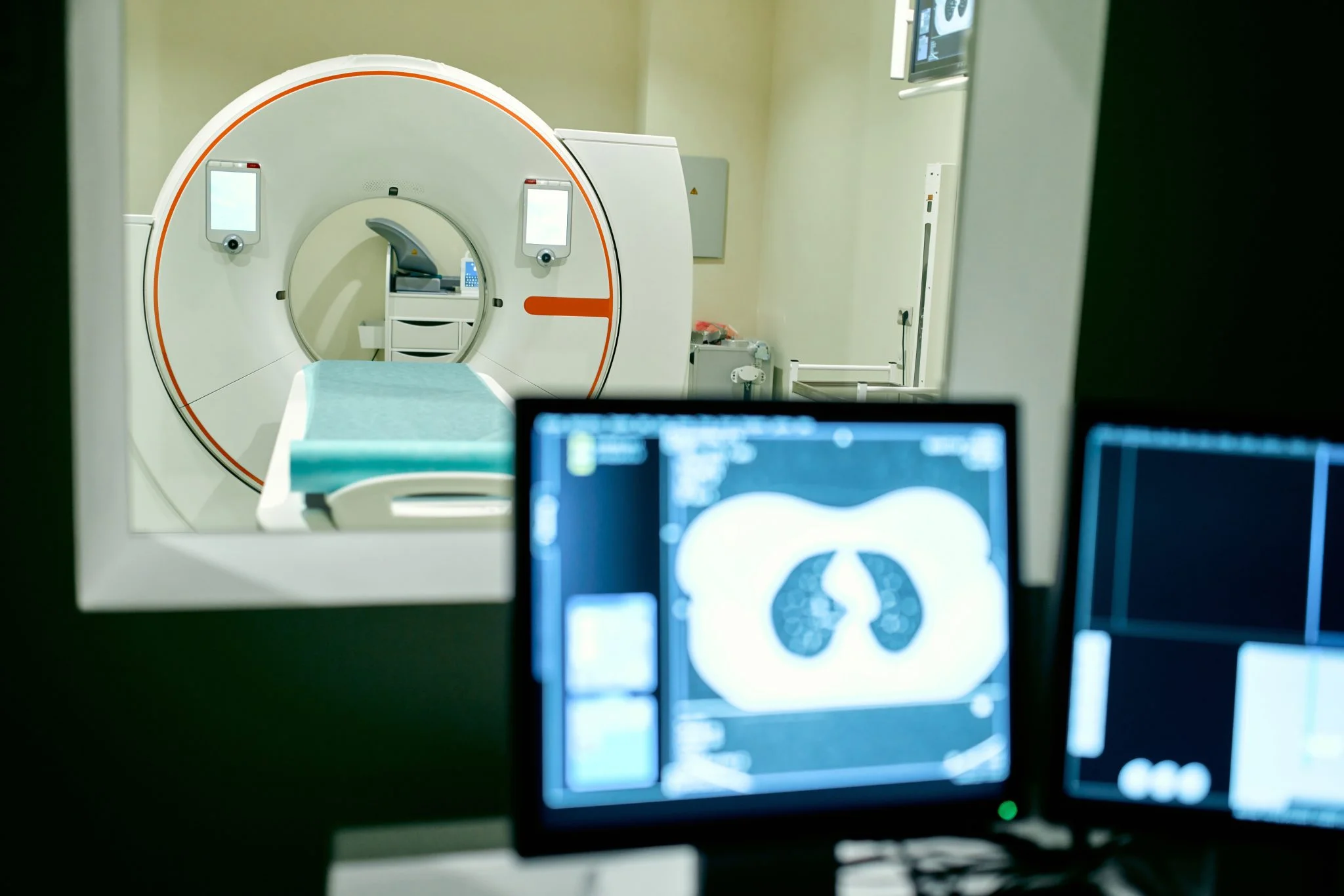

Lung health company Optellum received Therapeutic Goods Administration (TGA) Class IIb approval in Australia for its Virtual Nodule Clinic (VNC) platform on Feb. 27. This certification enables the AI-based tool to be used within clinical settings in the country to help with early lung cancer detection.
The TGA Class IIb certification means Australia’s regulators looked closely at the VNC and decided it’s a medium-to-high risk medical device. It is classified as such because wrong results could seriously affect someone’s health. They checked things like how the software works, proof it performs well, safety risks and test data before allowing it to be sold and used in Australian hospitals.
This is beneficial for Optellum because it lets doctors in Australia legally use the tool right away, shows an independent group has confirmed the software is safe and reliable enough for real patient care and helps build trust so more hospitals feel confident trying it to spot lung issues earlier.
Australia sees more than 15,000 new lung cancer cases each year, and the five-year survival rate sits around only 27 per cent. Many of these cases involve small lung spots called pulmonary nodules that show up incidentally on scans.
These can be hard to assess consistently, leading to delays in follow-up or decisions about next steps. The VNC aims to address that by helping clinicians identify, sort and manage these patients more efficiently. It focuses on nodules detected on chest CT imaging.
The Virtual Nodule Clinic is a software platform that uses AI, including a tool called Lung Cancer Prediction (LCP), to assess the risk that a nodule might be cancerous. It prioritizes higher-risk cases so doctors can focus on them sooner and organize follow-up care.
The system integrates into existing hospital workflows but does not replace a doctor’s judgment. It has already been cleared for use in the US (FDA), Europe (CE-MDR), and the UK (UKCA).
Based in the United Kingdom with an office in Houston, Texas, Optellum develops AI solutions focused on earlier detection of lung diseases, especially lung cancer.
The company works with health systems to implement these tools responsibly and has conducted validation studies to support approvals like this latest one.
This TGA approval fits into a larger trend in lung cancer screening and diagnostics, where companies apply AI and other technologies to improve early detection and reduce unnecessary procedures.
Notably, Qure.ai gained FDA 510(k) clearance for its qXR-Detect software last month, which helps spot abnormalities on chest X-rays. Additionally, Breath Diagnostics’ OneBreath platform received FDA Breakthrough Device Designation in February for its ability to identify patients at a high risk of pneumonia post-surgery. OneBreath has proven itself to be a highly accurate breath analysis technology for lung cancer detection.
These regulatory steps show ongoing progress in using technology to support faster, more consistent care in respiratory health. Optellum’s move into Australia adds another region where such tools are now available for clinical use.
Read more: Breath Diagnostics advances pre-op pneumonia screening with FDA breakthrough designation
Follow Rowan Dunne on LinkedIn
rowan@mugglehead.com