
Thousands of devotees gathered at Pashupatinath Temple in Kathmandu for Mahashivratri on Sunday, the annual Nepalese Hindu festival dedicated to Lord Shiva.
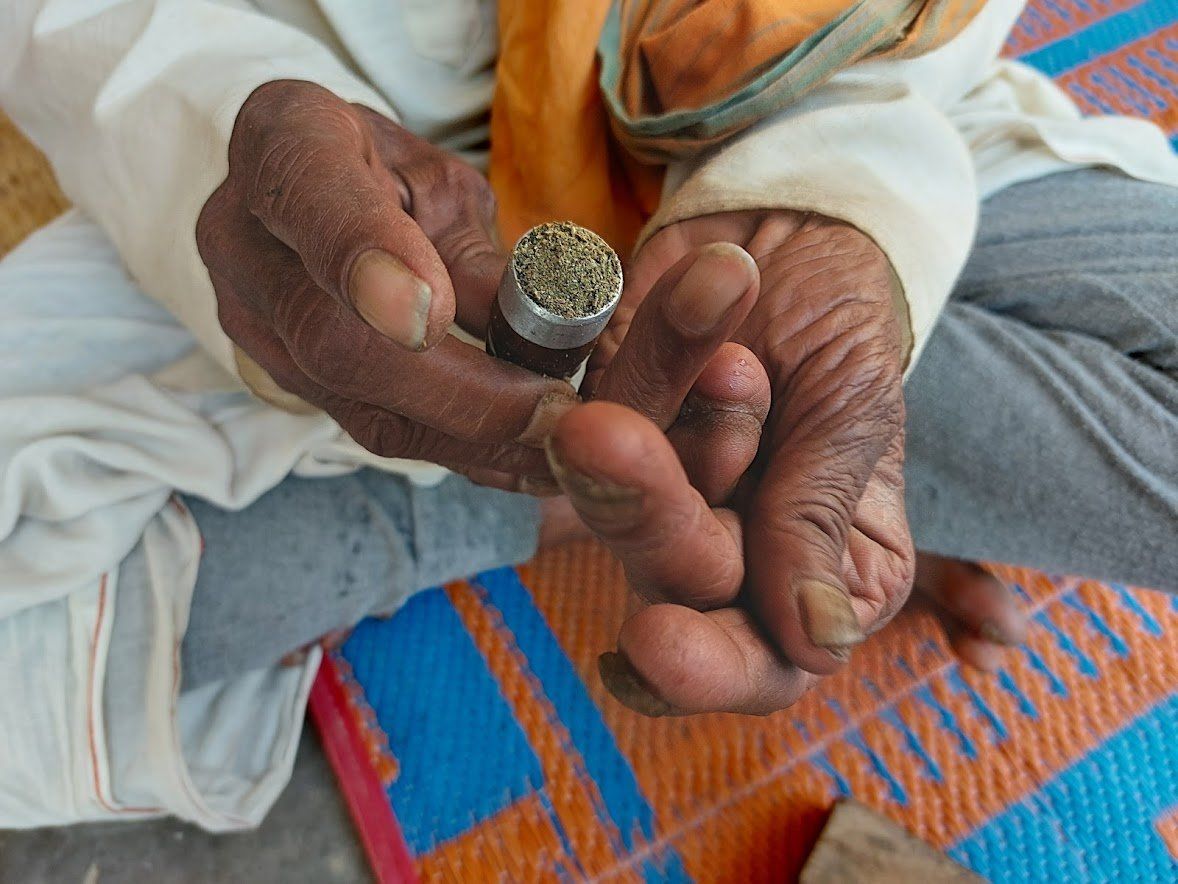
Long lines formed as people offered prayers, sang devotional songs and performed rituals. What makes this festival stand out is the fact that Hindu holy men known as sadhus, along with many young devotees from Nepal and Indian pilgrims, openly smoke cannabis at the annual event.
The temple grounds become engulfed in marijuana smoke on this particular day each year, which drifts its way across the forested Bankali hills along the Bagmati River and nearby areas.
Hindus currently account for approximately 81 per cent of Nepal’s population.
Religious connection: cannabis considered Shiva’s gift
In Hindu tradition, cannabis is linked to Lord Shiva — a principal deity in the religion representing the eternal cycle of existence. Mythology describes the god figure discovering and using the plant with many depictions showing him holding a chillum pipe used for consuming it.
Sadhus, who adhere to a disciplined lifestyle modelled by the religion’s principles, use the plant before meditating and believe it offers spiritual focus while healing the body.
During Mahashivratri, smoking or ingesting it is viewed as a means of honouring Shiva and achieving enlightenment on the night dedicated to him. Devotees chant mantras like “Bam Bam Bhole” while using it as part of the ritual.
“In Nepal, cannabis is more than a festive topic; it is deeply intertwined with our social, cultural, and historical fabric” said a local environmental enthusiast on social media this week.
Read more: Frenchman imprisoned for cannabis trafficking charges in Malaysia acquitted
Tolerance only extends for one day per annum
Cannabis has been illegal in Nepal since 1976 after international pressure, particularly from the United States, inspired lawmakers to enact a ban on it. Any other day of the year and elsewhere in the nation, cannabis possession can get an individual up to one month in prison. Trafficking in the country could land you a decade-long sentence.
Despite relatively harsh penalties, authorities enforce a longstanding exception during Mahashivratri for cultural purposes. Police permit limited public use at and near Pashupatinath Temple for the festival day, allowing the tradition to proceed without arrests in those areas.
This tolerance showcases the deep religious significance cannabis has in Nepal. It has historically been used for medicine, fibre and rituals in Himalayan communities for many years.
In the 1960s and early 1970s, the capital city of Kathmandu had a reputation for legal sales made to tourists before the ban came into force.
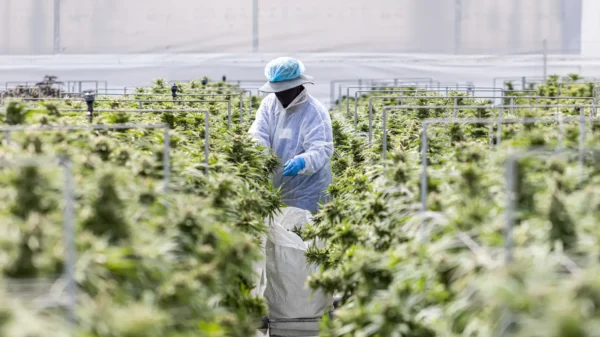
Recent pushes for reform, such as proposals to decriminalize cultivation for medical, industrial hemp and economic purposes, have not progressed in parliament because of conservative views and global considerations.
Read more: Pakistani cabinet approves national framework for medical cannabis regulation
Follow Rowan Dunne on LinkedIn
rowan@mugglehead.com