
ProSomnus Sleep Technologies has secured up to US$38 million from healthcare-focused New York investment firm Catalio Capital Management. Catalio sees the potential for attractive returns while diversifying its portfolio.
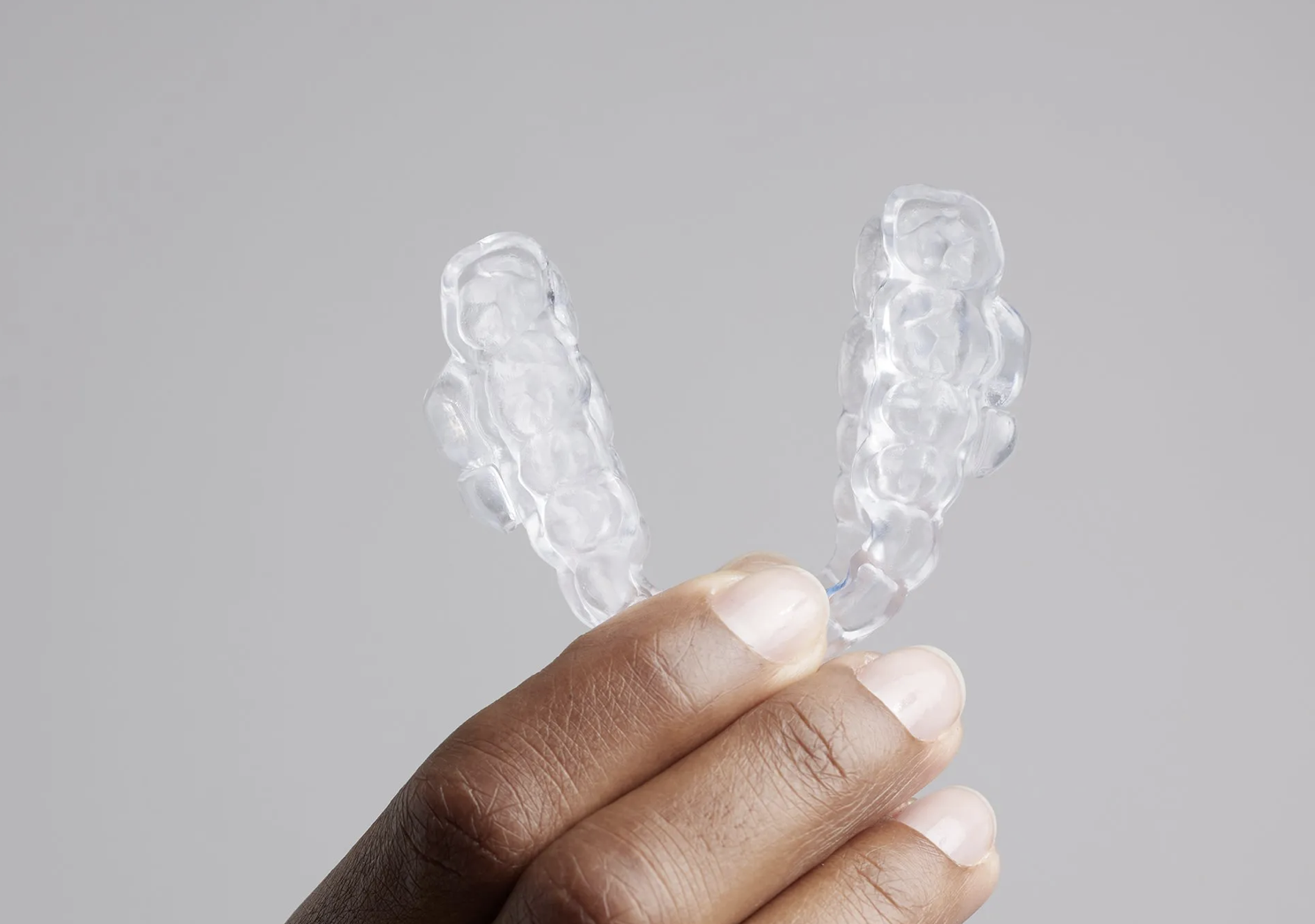
California-based ProSomnus pioneers precision oral appliance therapy devices that move a patient’s lower jaw forward by harnessing AI-assisted designs and robotic manufacturing. This opens their airway efficiently at night, delivers comfort that other options have lacked and avoids masks, hoses, and ongoing supplies that CPAP machines require.
Announced on Feb. 18, ProSomnus executives are putting the funds toward patient monitoring initiatives, developing new diagnostic devices, clinical research and infrastructure to meet demand for sleep apnea solutions.
“Sleep medicine is rapidly shifting toward data-driven, patient-preferred therapies,” said Catalio Principal Nicholas von Guionneau, who will be joining the sleep tech company’s board. “ProSomnus is leading that transition with connected oral devices that are clinically effective and consistently used by patients.”
This capital raise arrives at a time when the oral sleep apnea devices market, valued at roughly US$850 million in 2023, is growing at 6.8 per cent annually, according to Grand View Research.
Obesity and rising awareness drive the expansion, while many patients reject CPAP due to poor adherence. In terms of precision, ProSomnus stands out among competitors such as SomnoMed’s widely prescribed SomnoDent line, Resmed Inc‘s (NYSE: RMD) (FRA: RME) Narval CC appliance, and TAP devices from Airway Management.
The firm integrates data-driven remote monitoring that rivals struggle to match, creating continuous clinical insights for doctors and insurance providers.
ProSomnus has continually earned recognition for its execution capabilities. Last year, the sleep technology developer appeared on the Inc. 5000 list of America’s fastest-growing private companies for the fourth straight year. It ranks 79th for manufacturing nationally and 102nd among those in the San Francisco Bay Area.
Organic demand alone has been fuelling the company’s growth without the need for price hikes or acquisitions.
Since it opened its global headquarters and production centre in Pleasanton, California in 2023, its manufacturing capacity has increased fivefold. Devices are strictly made in the United States.
Read more: NextSense launches unique brain-sensing EEG ‘Smartbuds’
Follow Rowan Dunne on LinkedIn
rowan@mugglehead.com