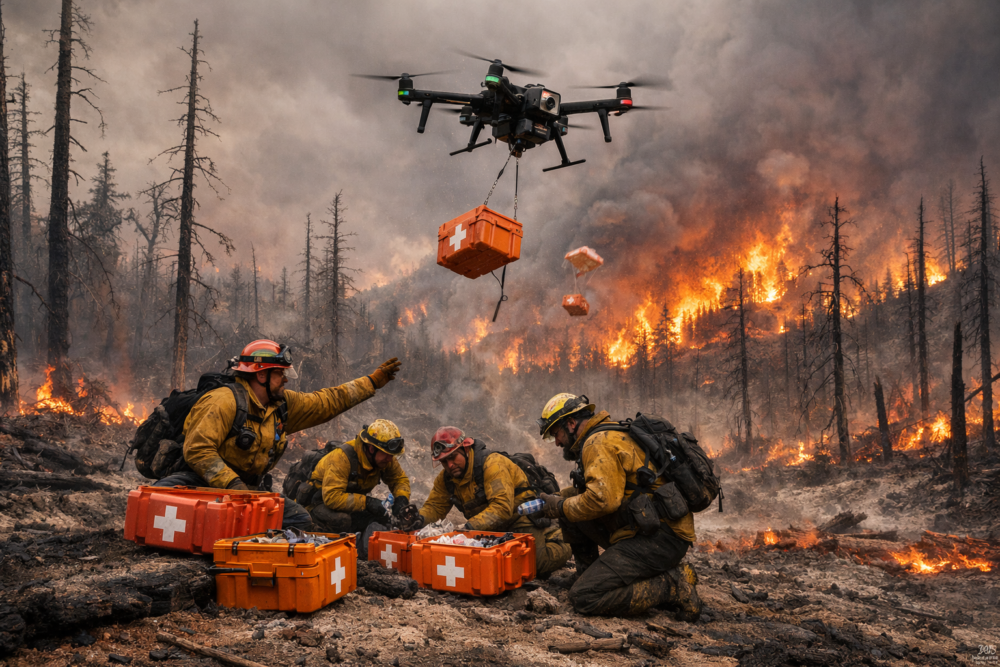

Draganfly Inc. (NASDAQ: DPRO) (CNSX: DPRO) has deployed its unmanned aircraft in Sweden to support advanced search and rescue operations using mobile phone detection technology.
The company confirmed that Search and Rescue Sweden will operate Draganfly drones integrated with Smith Myers’ Artemis mobile phone detection and location system.
The deployment supports missing-person searches, wilderness rescues, police assistance and other public safety missions across Sweden. Additionally, the system allows rescue teams to locate active mobile phones from the air during time-critical operations.
Search and Rescue Sweden selected the platform following regulatory changes that limited the use of certain aerial systems for public safety work. Consequently, the organization sought a compliant unmanned solution that could meet national performance and reliability standards.
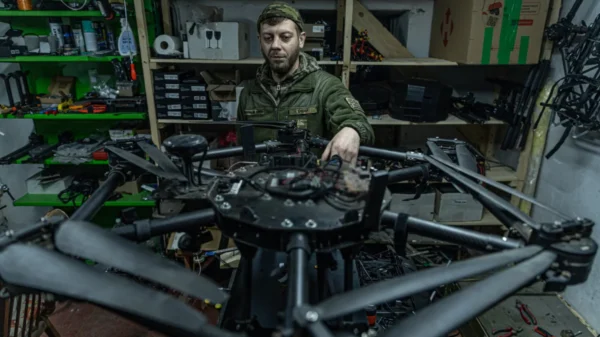
Draganfly’s Apex and Commander 3XL drones will carry Smith Myers Artemis payloads designed specifically for search and rescue missions. Furthermore, the Artemis system can detect and locate mobile phones across up to 48 cellular bands.
The system offers a maximum operational range of up to 35 kilometres, depending on configuration. Additionally, the payloads scale across multiple drone platforms due to their modular design. Payload weights range from about 0.52 kilograms to 10 kilograms, allowing flexible mission planning. Rescue teams can deploy lighter Apex drones for rapid searches and early reconnaissance.
Meanwhile, the larger Commander 3XL supports heavier payloads for long-endurance missions. The heavier configuration enables extended flight times and higher sensor performance in difficult conditions. In recent weeks, teams from Draganfly, Smith Myers and Search and Rescue Sweden completed joint flight testing in Canada.
The testing validated mechanical integration and software performance across both drone platforms.
Read more: USA Rare Earth teams with ePropelled to supply drone magnets
Read more: Malaysia deploys AI-integrated camera traps and drones to combat poachers
Inclement weather exceeded expectations
The teams also tested complete mission workflows from aerial detection to ground-team coordination. Those workflows included localization, mapping, data relay and real-time communication. Consequently, the trials confirmed the system met or exceeded operational requirements for demanding rescue missions. Search and Rescue Sweden’s development leadership described the system as a significant upgrade for field operations.
They noted that performance in difficult weather exceeded internal expectations. Furthermore, the ability to switch between payload and drone configurations was seen as a major operational advantage. The organization believes the system will improve response speed during missing-person searches nationwide.
“Completing the full integration of Artemis MPDLS across several Draganfly UAS platforms demonstrates how quickly we can deliver robust, operational capability into the uncrewed space,” said Andrew Munro, managing director of Smith Myers.
Additionally, aerial phone detection can reduce search times in remote or forested terrain. Traditional helicopter searches often require more time, higher costs and larger crews. Conversely, unmanned systems can deploy quickly with fewer personnel and lower operating expenses. Draganfly stated that the integration provides a scalable aerial capability tailored for European rescue requirements.
The company emphasized compliance with evolving aviation and public safety regulations. Meanwhile, Smith Myers confirmed that its Artemis payloads were selected to meet European standards for accuracy and reliability.
The partners expect the solution to act as a force multiplier for rescue teams. Additionally, faster deployment allows responders to cover wider search areas sooner. The companies also reported that the integrated system improves detection accuracy during early search phases. Subsequently, ground teams can focus efforts using precise location data rather than broad grid searches.