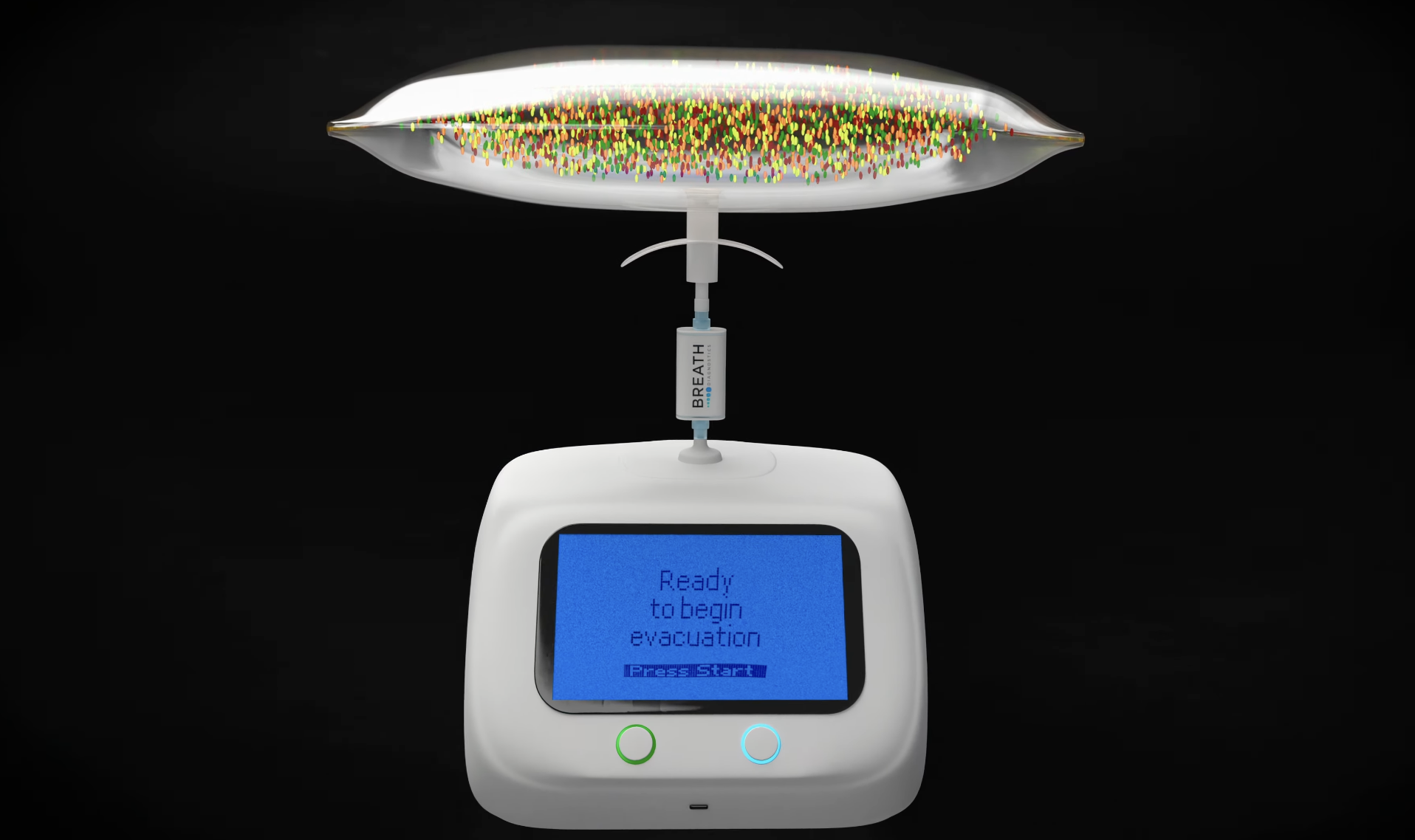

The breath analysis tech market is experiencing robust growth, particularly in medical applications where non-invasive breath analysis is transforming disease detection and management.
According to a recent report, last updated on Dec. 29, the global market was valued at US$742.9 million in 2025 and is projected to reach US$1.33 billion by 2034. It is expected to grow at a compound annual growth rate (CAGR) of 6.9 per cent.
This expansion is driven by the rising prevalence of chronic conditions such as diabetes, chronic obstructive pulmonary disease (COPD), asthma and cancer, where breath analyzers detect volatile organic compounds (VOCs) and biomarkers for early, radiation-free diagnostics. In healthcare settings, breath analysis offers rapid, point-of-care testing for metabolic indicators and pathogen-specific markers.
For instance, devices measure fractional exhaled nitric oxide (FeNO) for asthma monitoring or identify VOC signatures linked to inflammatory and infectious diseases. The medical diagnostics segment dominated the market in 2025, holding a significant share due to innovations in sensor technologies like fuel cells and semiconductor oxides, which provide high accuracy and real-time results.
Companies like Breath Diagnostics are at the forefront. The medtech creator’s OneBreath technology, a patented system that analyzes a single exhale to detect lung cancer with 94 per cent sensitivity and 85 per cent specificity, aligns perfectly with the market’s push toward scalable, non-invasive tools for early disease intervention.
“Our patented OneBreath platform enables direct measurement of disease-associated molecular products from exhaled breath,” said Breath Diagnostics CEO, Ivan Lo, in a blog posting on Jan. 12, “offering a non-invasive window into processes such as oxidative stress, inflammation, infection, and fibrosis.”
Read more: Prestigious medtech intelligence firm recognizes Breath Diagnostics for innovation
Growth outlook among other market researchers aligns
This innovation exemplifies how breath-based diagnostics are gaining dominance in the sector, especially in North America, which led with US$291.6 million in market value last year, fuelled by advanced R&D and clinical adoption. External analyses confirm this upward trajectory while highlighting variations in projections.
A report from Markets and Markets estimates the market grew from US$524 million in 2020 to US$1.17 billion by 2025 at a 17.4 per cent CAGR. This assessment emphasized medical uses in drug detection and chronic disease monitoring, though it notes faster historical growth compared to more conservative recent forecasts.
Similarly, Global Market Insights projects a 16.8 per cent CAGR from US$2.6 billion in 2023 to 2032, attributing acceleration to nanotechnology advancements in breath sensors for conditions like heart valve diseases and COVID-19 variants. This supports the emphasis on healthcare dominance but suggests broader market inclusion beyond strict medical boundaries.
Projections vary across market researchers due to differing definitions of the market (e.g., alcohol-focused vs. broader breath analysis including medical diagnostics). Fortune Business Insights offers a more conservative outlook compared to higher estimates from firms like Global Market Insights, Precedence Research (US$4.5 billion in 2025, 16.6 per cent CAGR) and Roots Analysis (US$4 billion in 2025, 15 per cent CAGR to 2035).
These sources align on the medical sector’s leadership, driven by regulatory support and technological integration, yet indicate potential for even higher growth if emerging markets like Asia Pacific expand access.
“The trend toward smarter, more sensitive breath analyzers underscores the real potential of breath-based diagnostics to transform healthcare,” Breath Diagnostics wrote on social media this week.
While the core focus remains on medical breakthroughs, breath analyzers also extend to alcohol detection, aiding law enforcement in curbing impaired driving.
Read more: Breath Diagnostics completes install of advanced mass spectrometry system
Follow Rowan Dunne on LinkedIn
rowan@mugglehead.com