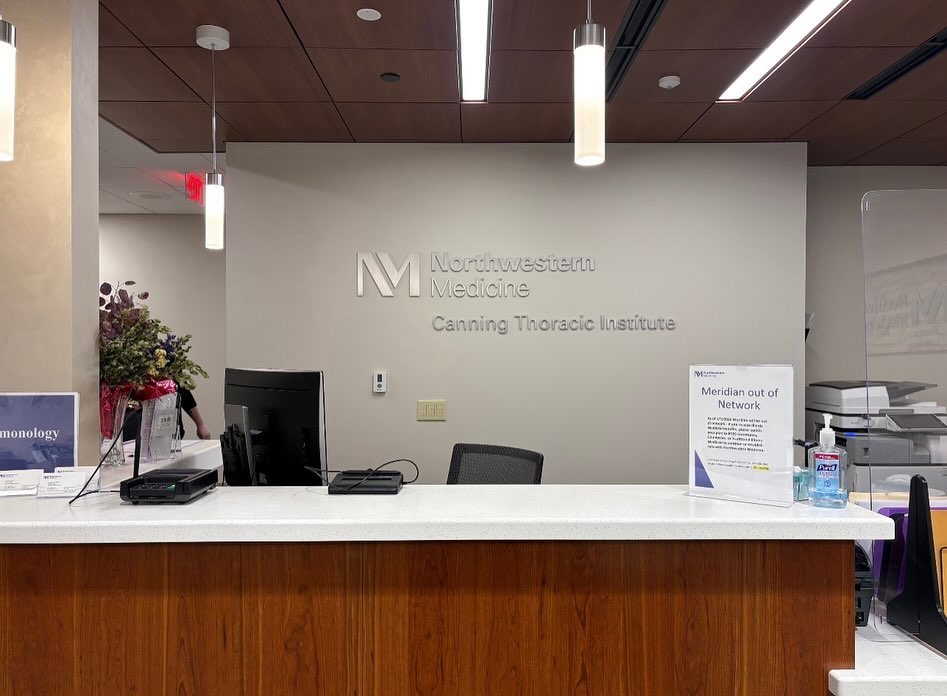

Researchers from Chicago-based Northwestern Medicine are saying that the current eligibility requirements for lung cancer screening are causing thousands of lives to be lost. To address this problem, the healthcare provider will be offering free screenings to select citizens 21 and older at a newly launched Lung Health Center.
In late November, a study Northwestern completed found that 94 per cent of lung cancer cases could be detected if the minimum age for receiving a low-dose CT scan was lowered from 50 to 40. Doing so could potentially prevent 26,000 deaths every year, they highlighted in their article published in the peer-reviewed journal JAMA Network Open.
Therein, they also explained that only 35 per cent of nearly 1,000 patients Northwestern has treated for lung cancer would meet the eligibility criteria set out by the U.S. Preventive Services Task Force (USPSTF). It stipulates that those eligible to receive a scan should be between 50 to 80 with a history of heavy smoking for two decades or more.
Northwestern says that out of the cohort of people it has treated, a disproportionate number (~25 per cent) have never smoked in their lives.
Through the newly launched screening initiative at the Lung Health Center, made possible with a donation from philanthropists John and Rita Canning, Northwestern aims to catch cases among young people who may otherwise avoid screening due to the costs it would incur.
“We are seeing a lot of young people, particularly women, who are very functional and have no other medical conditions getting advanced lung cancer,” said Ankit Bharat, Northwestern’s thoracic surgery chief, in an interview.
Furthermore, Northwestern thoracic surgeon Dr. Kalvin Lung has emphasized that lung cancer can affect anyone and that it needs to be destigmatized from a condition that only impacts smokers.
A multidisciplinary group of scientists at Northwestern University demonstrate how early detection LDCT scans could reach nearly 94% of people at risk for lung cancer if we ignored recommendations by the USPSTF. https://t.co/srjvrnHszs pic.twitter.com/Bwi2T7NC03
— Drew Moghanaki (@DrewMoghanaki) November 27, 2025
Read more: Breath Diagnostics leaders promote their mission at Miami investment conference
No definitive answer about rising case numbers
According to Bharat and Lung, the reason that this phenomenon is occurring is currently uncertain and not fully understood among medical professionals. It is particularly prevalent among Asian American women. Their rate of diagnoses has risen by about 2 per cent annually since 2007.
“Current USPSTF guidelines missed nearly two-thirds of cases, disproportionately excluding women, individuals from minoritized racial and ethnic groups, and never-smokers with favorable prognoses,” the study authors concluded.
The Northwestern researchers say policy revisions should prioritize expanding eligibility, addressing non-tobacco risks and mitigating barriers preventing early-stage detection.
“Age-based screening [40-85 years] could enhance detection to 93.9 per cent, prevent 26,124 deaths annually, and prove 6-fold more cost-effective than existing cancer screening programs,” they added.
News about Northwestern’s new screening campaign and facility has drawn attention from lung cancer screening companies.
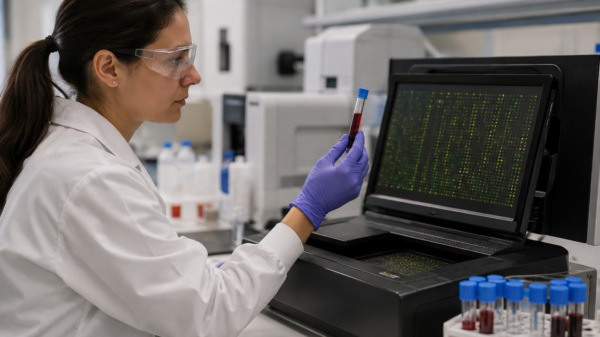
DELFI Diagnostics, developer of a blood biopsy used to detect the disease, used the development as an opportunity to advocate for a broader portfolio of screening modalities.
“This reinforces why we need multiple pathways to screening,” DELFI stated in a social media post. “Blood-based tests, such as DELFI’s FirstLook Lung, can help identify at-risk individuals who may not meet traditional criteria, while also making screening more accessible for those who do qualify.”
Despite involving a needle, blood testing has the appeal of being radiation-free. Low-dose CT scans unfortunately do not, and the exposure is particularly concerning for patients that receive unnecessary follow up from false positive results they produce.
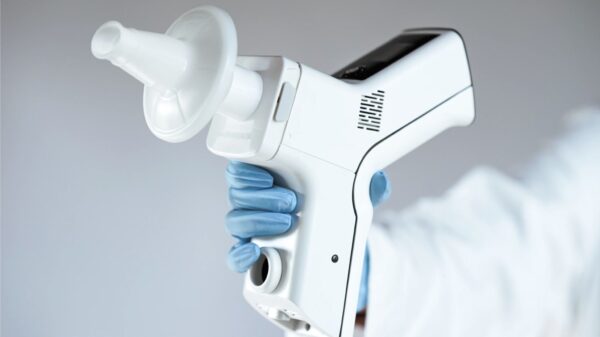
In addition to blood analysis, breath testing is another screening method worthy of consideration. It is both non-invasive and radiation-free. Breath Diagnostics, creator of the OneBreath system, is a standout when it comes to this type of technology. The company has a team of seasoned experts that have been working diligently to commercialize their breath screening tool and expedite its adoption within the healthcare sector.
Read more: Breath Diagnostics adopts state-of-the-art mass spectrometer device for lung screening
Follow Rowan Dunne on LinkedIn
rowan@mugglehead.com